THE ADVENTURE COLLECTIVE® · Independent discovery and booking for outdoor travel

Walk the courts of Gyeongbokgung, thread the alleys of Bukchon Hanok Village, then roll up your sleeves for a hands-on kimchi workshop and tea ceremony. This four-hour cultural tour pairs historical context with edible craft — ideal for first-time visitors who want history, flavor, and practical tips in one outing.
Walk the courts of Gyeongbokgung, thread the alleys of Bukchon Hanok Village, then roll up your sleeves for a hands-on kimchi workshop and tea ceremony. This four-hour cultural tour pairs historical context with edible craft — ideal for first-time visitors who want history, flavor, and practical tips in one outing.
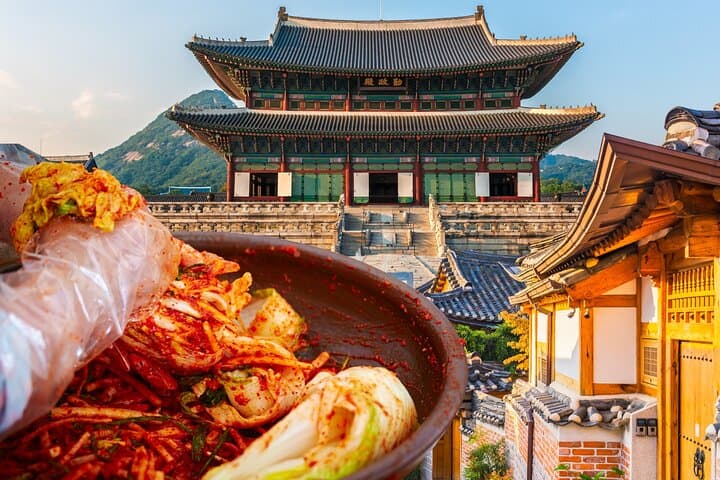
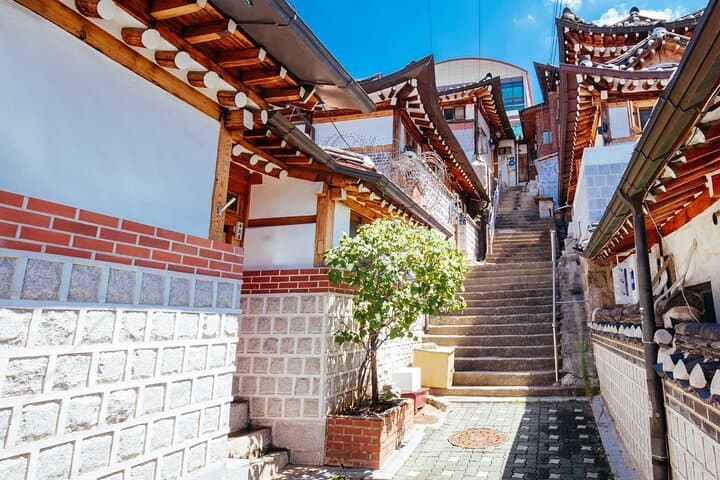
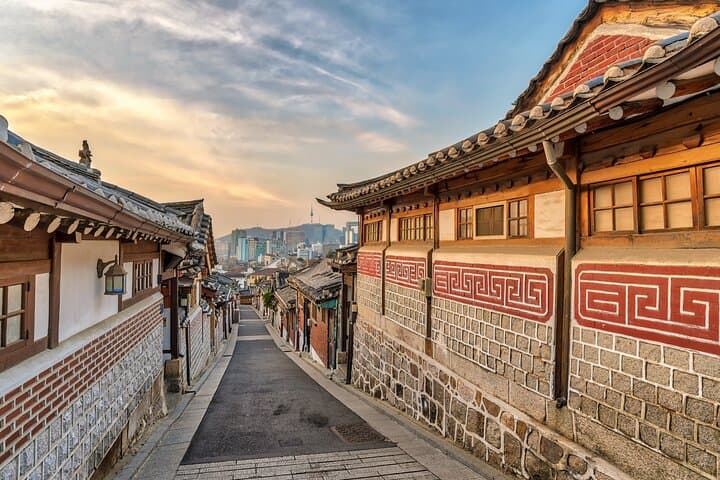
You step through the painted wooden gate of Gyeongbokgung and the city narrows into the measured silence of courtyards — stone paths that have guided envoys and citizens for centuries. The palace refuses to feel like a museum; its roofs hold a steady, watchful grace while Bukchon’s hanok alleys lean in, as if listening for the next recipe to pass through a kitchen door.
Verified experiences and guided adventures in the surrounding area.
Operated by MyProGuide_Korea · Seoul, Seoul
You step through the painted wooden gate of Gyeongbokgung and the city narrows into the measured silence of courtyards — stone paths that have guided envoys and citizens for centuries. The palace refuses to feel like a museum; its roofs hold a steady, watchful grace while Bukchon’s hanok alleys lean in, as if listening for the next recipe to pass through a kitchen door.
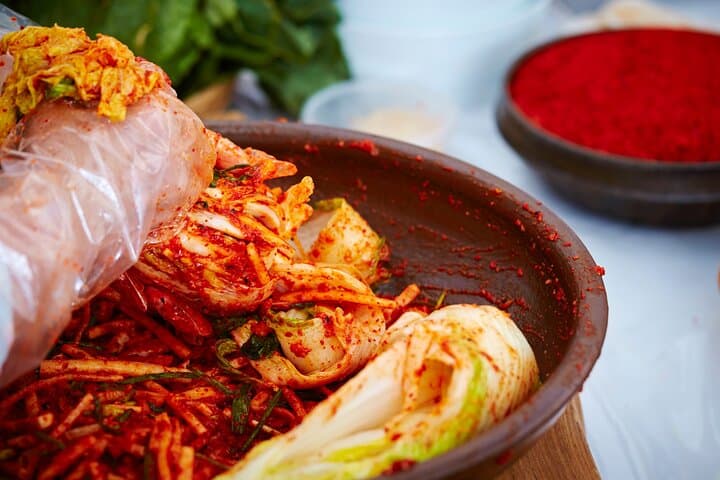
Gyeongbokgung dates to the Joseon dynasty (est. 1395), and its layered architecture reflects a long history of royal ceremony and rebuilding after fires and invasions. Geologically, central Seoul sits on riverine plains ringed by low granite hills — Bugaksan rises behind Bukchon and frames views that once doubled as natural defenses. The tour pairs this built history with living culture: a hands-on kimchi workshop that connects household fermentation techniques to seasonal foodways and communal dining traditions.
Expect a steady 4‑hour pace: guided palace walkthroughs, a wander through Bukchon’s narrow lanes, then a focused kimchi DIY and tea ceremony. Practicalities matter — wear supportive shoes for stone stairs and courtyards, carry a small bag for the kimchi session, and be ready for sharp flavors and hands-on prep. Morning departures cut crowds and give softer light for photos; public transit drops you within easy walking distance. Modest, respectful behavior in sacred spaces is required, and participants with spice or shellfish allergies should notify guides in advance.
This experience blends outdoor walking, architectural history, and culinary craft — a compact, tactile way to feel Seoul’s layers in a single afternoon.
easy.
4 hours.
Suitable for most travelers who can walk short distances and stand during the workshop
Yes—the tour includes the Gyeongbokgung Palace entrance ticket as part of the booking.
Notify the operator at booking; many kimchi workshops can adjust recipes, but those with severe allergies should confirm ingredient handling in advance.
Public transportation is nearby; using a T‑money card on Seoul’s subway or bus system is the fastest way to reach Gyeongbokgung and Bukchon.
The tour is marketed as physically easy, but stone steps and uneven surfaces may challenge some with limited mobility; contact the operator to discuss accommodations.
Gyeongbokgung was completed in 1395 as the principal royal palace of the Joseon dynasty and has been rebuilt and restored after multiple periods of damage; Bukchon preserves traditional hanok houses that reflect urban life in Korea’s past.
Efforts in Seoul focus on preserving hanok architecture and managing visitor impact—respect site rules, avoid littering, and keep noise low to protect historic neighborhoods.
MyProGuide_Korea operates guided outdoor trips and adventures with an emphasis on safety, stewardship, and memorable experiences.
You step through the painted wooden gate of Gyeongbokgung and the city narrows into the measured silence of courtyards — stone paths that have guided envoys and citizens for centuries. The palace refuses to feel like a museum; its roofs hold a steady, watchful grace while Bukchon’s hanok alleys lean in, as if listening for the next recipe to pass through a kitchen door.
You step through the painted wooden gate of Gyeongbokgung and the city narrows into the measured silence of courtyards — stone paths that have guided envoys and citizens for centuries. The palace refuses to feel like a museum; its roofs hold a steady, watchful grace while Bukchon’s hanok alleys lean in, as if listening for the next recipe to pass through a kitchen door.
Gyeongbokgung dates to the Joseon dynasty (est. 1395), and its layered architecture reflects a long history of royal ceremony and rebuilding after fires and invasions. Geologically, central Seoul sits on riverine plains ringed by low granite hills — Bugaksan rises behind Bukchon and frames views that once doubled as natural defenses. The tour pairs this built history with living culture: a hands-on kimchi workshop that connects household fermentation techniques to seasonal foodways and communal dining traditions.
Expect a steady 4‑hour pace: guided palace walkthroughs, a wander through Bukchon’s narrow lanes, then a focused kimchi DIY and tea ceremony. Practicalities matter — wear supportive shoes for stone stairs and courtyards, carry a small bag for the kimchi session, and be ready for sharp flavors and hands-on prep. Morning departures cut crowds and give softer light for photos; public transit drops you within easy walking distance. Modest, respectful behavior in sacred spaces is required, and participants with spice or shellfish allergies should notify guides in advance.
This experience blends outdoor walking, architectural history, and culinary craft — a compact, tactile way to feel Seoul’s layers in a single afternoon.