
Gwangyang Maehwa and Gurye Sansuyu Spring Festival Day Trip from Busan
Escape Busan for a full-day journey through Korea’s spring festivals: wander beneath white plum blossoms in Gwangyang and stand amid golden sansuyu blooms near Jirisan. This practical guide explains what to expect and how to prepare for the long, scenic day.
An Adventure In Busan.
Escape Busan for a full-day journey through Korea’s spring festivals: wander beneath white plum blossoms in Gwangyang and stand amid golden sansuyu blooms near Jirisan. This practical guide explains what to expect and how to prepare for the long, scenic day.
Read the full experience
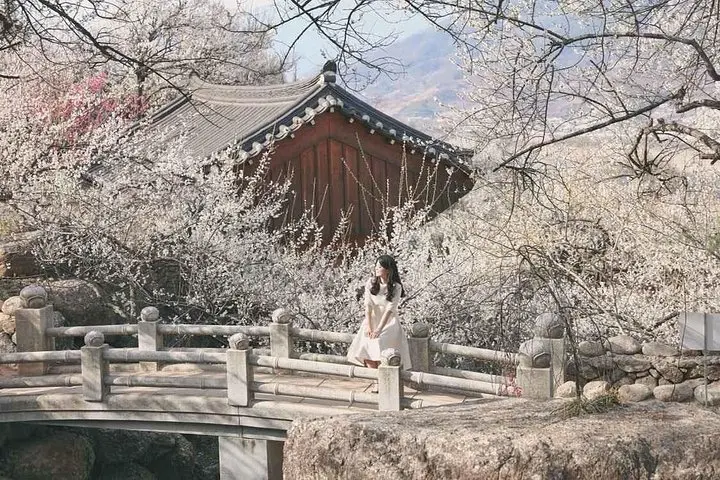
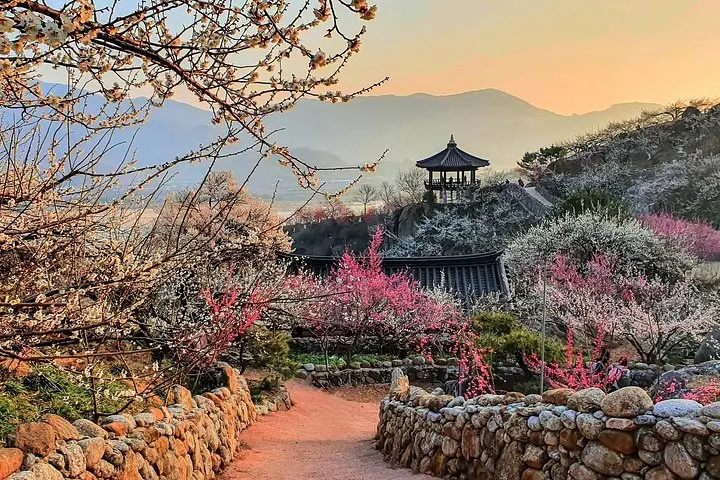
Morning light over the highway thins as the bus slips out of Busan and into low, orchard-dotted countryside. By mid-morning you’re walking beneath rows of white plum blossoms at Gwangyang’s Maehwa Village, petals drifting like slow snow and the air carrying a faint tart-sweet plum scent.
Morning light over the highway thins as the bus slips out of Busan and into low, orchard-dotted countryside. By mid-morning you’re walking beneath rows of white plum blossoms at Gwangyang’s Maehwa Village, petals drifting like slow snow and the air carrying a faint tart-sweet plum scent.
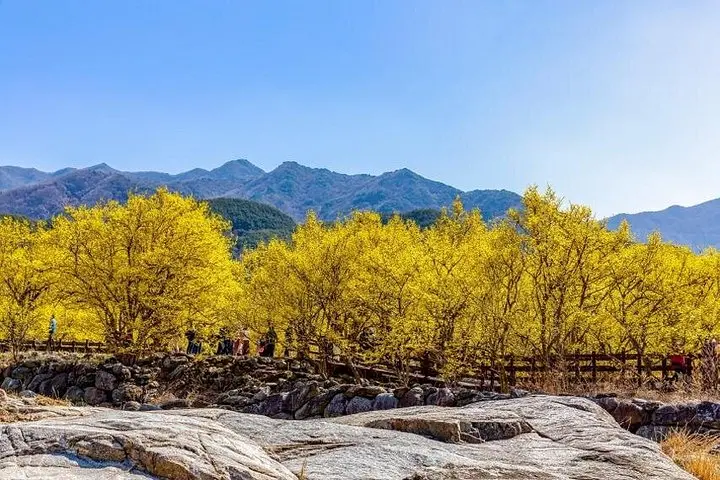
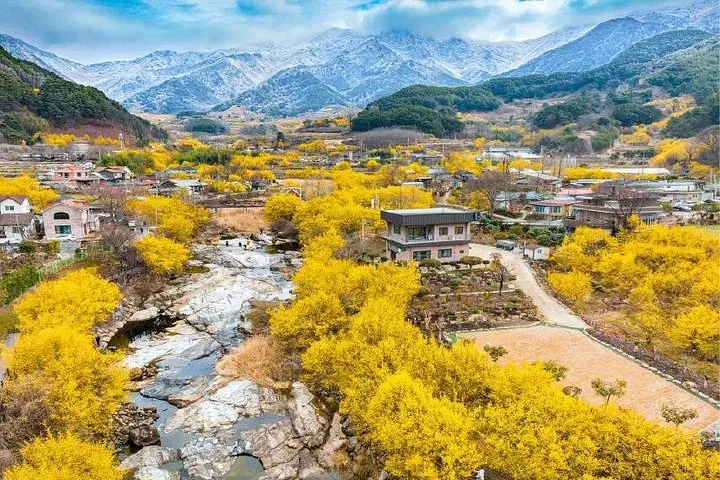
Gwangyang’s maehwa tradition dates back generations—orchards planted for local consumption grew into village festivals after Korea’s modern-era interest in seasonal tourism. The geology here is gentle: river valleys and low ridges feeding into the Seomjin watershed, which creates the sheltered microclimates plum trees favor. Later the tour moves inland toward Gurye, the gateway to Jirisan National Park, where fields of golden sansuyu (cornelian cherry) frame views of rugged, forested slopes.
Culturally, these festivals blend rural craft markets, traditional music, and food stalls serving local plum products and mountain-side specialties. Expect frequent opportunities for photography, short walks on village paths, and sampling handcrafted goods.
Practical guidance: the full loop is a long day—plan for 12–14 hours including road time. Wear sturdy walking shoes and layer for variable spring weather; rain or late cold snaps are possible. Bring cash for small purchases, a charged camera, and a refillable water bottle. If you have mobility needs or a stroller, notify operators in advance—sites are generally accessible but some trails are uneven. Timing matters: peak blooms vary by year, so check festival dates before booking. The trip is ideal for travelers who want an outdoor cultural day trip from Busan without heavy hiking, offering vivid seasonal color and close-up encounters with rural Korean festival culture.
Frequently asked questions
Yes, admission to the festival sites is included in the tour price as listed in the itinerary.
Round-trip transportation from Busan is provided; expect return in the evening after the day’s stops.
Infants can ride in strollers and are free of charge, but please inform the operator in advance if bringing a stroller or wheelchair.
Plum and sansuyu bloom dates depend on winter temperatures—check the festival’s official updates since peak bloom changes yearly.
About This Experience
TOURSTORY operates guided outdoor trips and adventures with an emphasis on safety, stewardship, and memorable experiences.
Adventure tips
Recommended gear
- Comfortable walking shoes: Provides traction on uneven village paths and short trails.
- Light rain jacket: Spring weather can be changeable; a packable jacket keeps you dry and warm.
- Water bottle: Staying hydrated during long travel and walking segments is important.
- Camera or smartphone with extra battery: Blooms and village scenes offer plentiful photo opportunities; extra power keeps you shooting.
Photos of the experience
Related adventures & guides
Read the full experience
Morning light over the highway thins as the bus slips out of Busan and into low, orchard-dotted countryside. By mid-morning you’re walking beneath rows of white plum blossoms at Gwangyang’s Maehwa Village, petals drifting like slow snow and the air carrying a faint tart-sweet plum scent.
Morning light over the highway thins as the bus slips out of Busan and into low, orchard-dotted countryside. By mid-morning you’re walking beneath rows of white plum blossoms at Gwangyang’s Maehwa Village, petals drifting like slow snow and the air carrying a faint tart-sweet plum scent.
Gwangyang’s maehwa tradition dates back generations—orchards planted for local consumption grew into village festivals after Korea’s modern-era interest in seasonal tourism. The geology here is gentle: river valleys and low ridges feeding into the Seomjin watershed, which creates the sheltered microclimates plum trees favor. Later the tour moves inland toward Gurye, the gateway to Jirisan National Park, where fields of golden sansuyu (cornelian cherry) frame views of rugged, forested slopes.
Culturally, these festivals blend rural craft markets, traditional music, and food stalls serving local plum products and mountain-side specialties. Expect frequent opportunities for photography, short walks on village paths, and sampling handcrafted goods.
Practical guidance: the full loop is a long day—plan for 12–14 hours including road time. Wear sturdy walking shoes and layer for variable spring weather; rain or late cold snaps are possible. Bring cash for small purchases, a charged camera, and a refillable water bottle. If you have mobility needs or a stroller, notify operators in advance—sites are generally accessible but some trails are uneven. Timing matters: peak blooms vary by year, so check festival dates before booking. The trip is ideal for travelers who want an outdoor cultural day trip from Busan without heavy hiking, offering vivid seasonal color and close-up encounters with rural Korean festival culture.
Make a day of it nearby.
Verified experiences and guided adventures in the surrounding area.