THE ADVENTURE COLLECTIVE® · Independent discovery and booking for outdoor travel

Spend a day moving between history, contemporary art, and food on a private tour of Gwangju. Visit May 18 Democracy Square, the Asia Culture Center, retro rides at Jisan Amusement Park, and end with authentic market shopping guided by a local.
Spend a day moving between history, contemporary art, and food on a private tour of Gwangju. Visit May 18 Democracy Square, the Asia Culture Center, retro rides at Jisan Amusement Park, and end with authentic market shopping guided by a local.
The day begins in the wide, open expanse of May 18 Democracy Square, where concrete plazas give way to the low hum of bicycles, street vendors, and the steady conversation of locals. You walk with a guide who points out engraved memorials and the placards that keep the city’s recent history alive; the air tastes faintly of roasted coffee from nearby cafés and the distant green cut of Mudeungsan rising to the east.
Verified experiences and guided adventures in the surrounding area.
Operated by Tasty Trails Korea · Gwangju, Gwangju
The day begins in the wide, open expanse of May 18 Democracy Square, where concrete plazas give way to the low hum of bicycles, street vendors, and the steady conversation of locals. You walk with a guide who points out engraved memorials and the placards that keep the city’s recent history alive; the air tastes faintly of roasted coffee from nearby cafés and the distant green cut of Mudeungsan rising to the east.
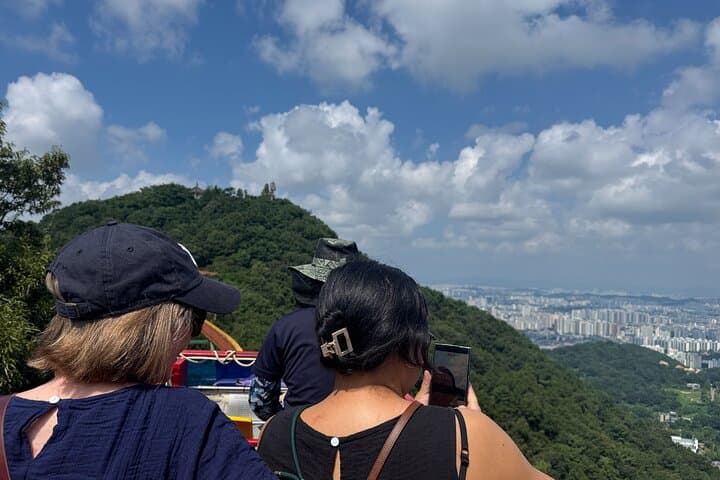
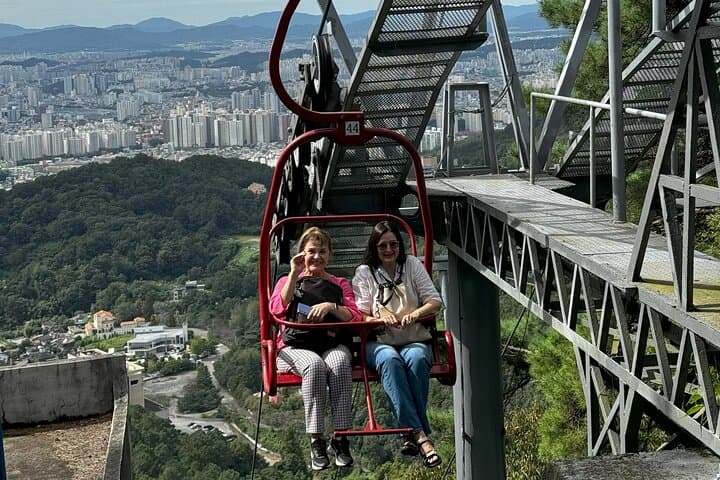
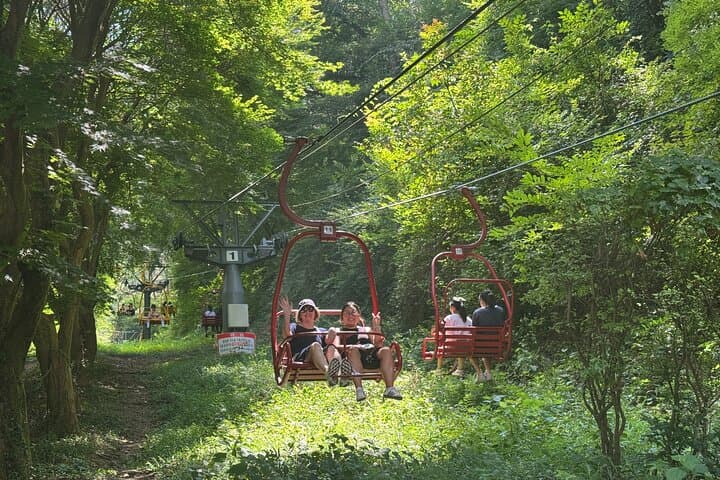
Gwangju’s story is visible in its streets: a center of Korea’s democratic movement, transformed into a living arts landscape around the Asia Culture Center. Geologically, the city sits under the influence of Mudeungsan’s basalt ridges and weathered granite outcrops — visible in park viewpoints and the retro monorail at Jisan Amusement Park, which gives a sweeping vantage over the plain. Culturally, Gwangju is Namdo cuisine and community markets: generous plates, fermented seafood, and artisan bakeries where loaves steam on display.
On this private, full-day circuit you’ll pass revived neighborhoods of Dongmyeong-dong and Yangnim-dong, taste regional hanjeongsik or tteok-galbi, sample traditional teas at Chasaengwon, then finish with hands-on supermarket shopping or a stroll through Yangdong Market. Expect mostly flat walking with occasional stairs and short uphill sections at viewpoints; the pace is easy and curated to your interests.
Practical guidance: wear cushioned walking shoes, carry a light rain shell in summer monsoon season, bring small bills for market purchases, and allow extra time for exhibitions at the ACC. Arrive curious — Gwangju rewards those who look beyond the main square.
easy.
8–9 hours.
Suitable for most fitness levels; involves several hours of standing and walking with short stair climbs.
This private tour offers pickup; specify your preferred pickup point when booking and confirm the time with your guide.
Yes—menus include vegetarian options and guides can recommend suitable dishes; let the operator know any allergies in advance.
Generally yes—walking is moderate and pace can be adjusted; the tour is marked as stroller accessible and suitable for most fitness levels.
Yes—the itinerary notes the option to visit Yangdong Market instead of the supermarket; indicate your preference when booking.
Gwangju was the center of the May 18 Democratic Uprising in 1980; the Asia Culture Center occupies land tied to that history and promotes cultural memory alongside contemporary art.
Mudeungsan is part of a UNESCO Global Geopark and local initiatives prioritize protecting ridgelines and green pockets; visitors are encouraged to support sustainable market practices and minimize waste.
Tasty Trails Korea operates guided outdoor trips and adventures with an emphasis on safety, stewardship, and memorable experiences.
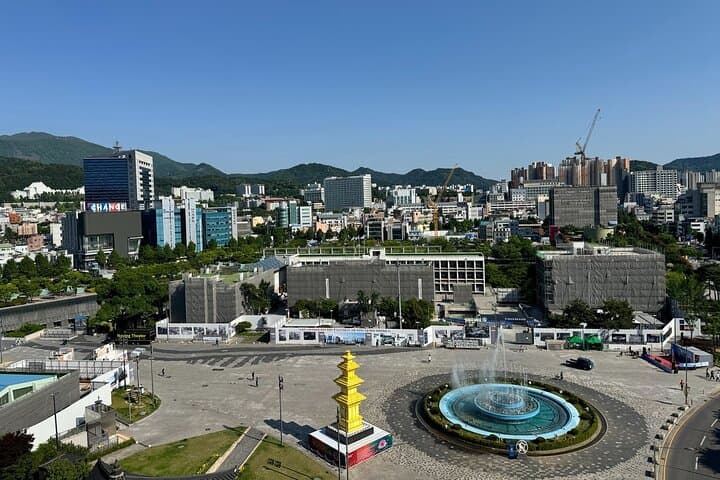
The day begins in the wide, open expanse of May 18 Democracy Square, where concrete plazas give way to the low hum of bicycles, street vendors, and the steady conversation of locals. You walk with a guide who points out engraved memorials and the placards that keep the city’s recent history alive; the air tastes faintly of roasted coffee from nearby cafés and the distant green cut of Mudeungsan rising to the east.
The day begins in the wide, open expanse of May 18 Democracy Square, where concrete plazas give way to the low hum of bicycles, street vendors, and the steady conversation of locals. You walk with a guide who points out engraved memorials and the placards that keep the city’s recent history alive; the air tastes faintly of roasted coffee from nearby cafés and the distant green cut of Mudeungsan rising to the east.
Gwangju’s story is visible in its streets: a center of Korea’s democratic movement, transformed into a living arts landscape around the Asia Culture Center. Geologically, the city sits under the influence of Mudeungsan’s basalt ridges and weathered granite outcrops — visible in park viewpoints and the retro monorail at Jisan Amusement Park, which gives a sweeping vantage over the plain. Culturally, Gwangju is Namdo cuisine and community markets: generous plates, fermented seafood, and artisan bakeries where loaves steam on display.
On this private, full-day circuit you’ll pass revived neighborhoods of Dongmyeong-dong and Yangnim-dong, taste regional hanjeongsik or tteok-galbi, sample traditional teas at Chasaengwon, then finish with hands-on supermarket shopping or a stroll through Yangdong Market. Expect mostly flat walking with occasional stairs and short uphill sections at viewpoints; the pace is easy and curated to your interests.
Practical guidance: wear cushioned walking shoes, carry a light rain shell in summer monsoon season, bring small bills for market purchases, and allow extra time for exhibitions at the ACC. Arrive curious — Gwangju rewards those who look beyond the main square.