THE ADVENTURE COLLECTIVE® · Independent discovery and booking for outdoor travel

A 15‑day circuit through Gujarat that pairs archaeological treasures and living crafts with two distinct wildlife hotspots: Gir for Asiatic lions and the Little Rann of Kutch for the wild ass. Expect long drives, early‑morning safaris, and hands‑on cultural encounters.
A 15‑day circuit through Gujarat that pairs archaeological treasures and living crafts with two distinct wildlife hotspots: Gir for Asiatic lions and the Little Rann of Kutch for the wild ass. Expect long drives, early‑morning safaris, and hands‑on cultural encounters.
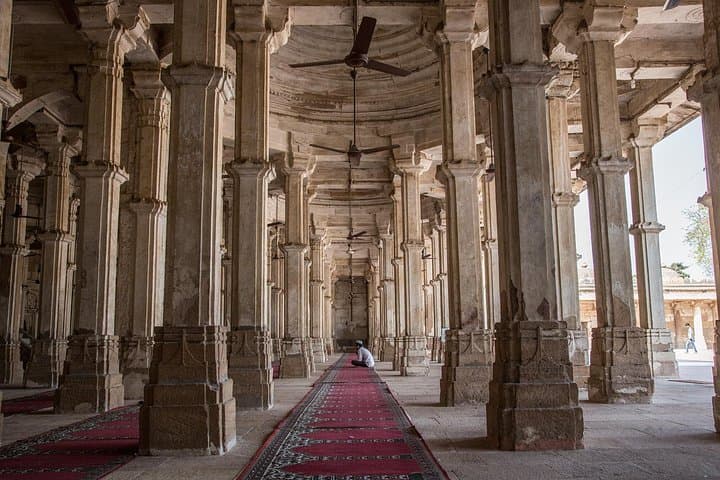
Dawn breaks over the White Rann and the salt flats drink the light; wheels crunch on highway as the van threads from Ahmedabad through dry deciduous forest toward Gir, and then on to the wind-battered villages of Kutch. You feel the country shift under you — riverbanks and stepwells around Ahmedabad give way to Portuguese ramparts in Diu, Harappan stonework at Dholavira, and finally the wide, living silence of the Rann where the horizon seems to dare you to keep watching.
Verified experiences and guided adventures in the surrounding area.
Operated by Agora Voyages Pvt. Ltd. · Ahmedabad, Gujarat
Dawn breaks over the White Rann and the salt flats drink the light; wheels crunch on highway as the van threads from Ahmedabad through dry deciduous forest toward Gir, and then on to the wind-battered villages of Kutch. You feel the country shift under you — riverbanks and stepwells around Ahmedabad give way to Portuguese ramparts in Diu, Harappan stonework at Dholavira, and finally the wide, living silence of the Rann where the horizon seems to dare you to keep watching.
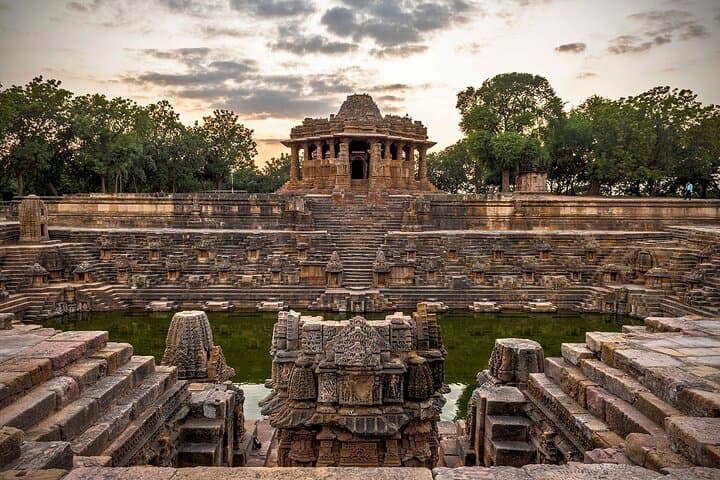
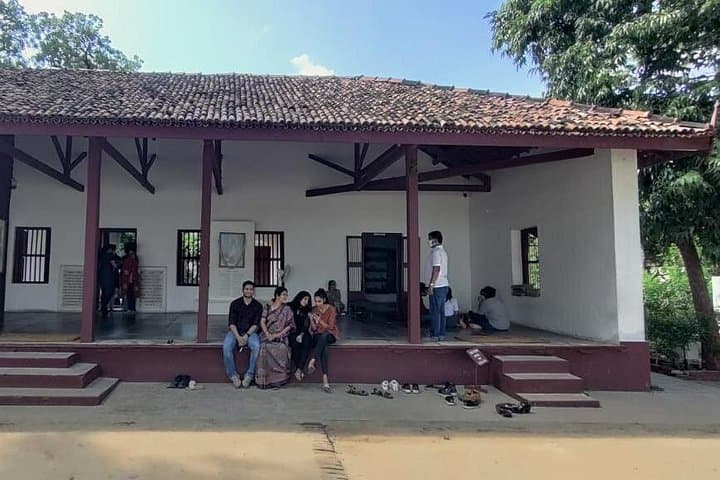
This 15‑day loop stitches together Gujarat’s layered past: Indus Valley engineering at Dholavira, medieval Solanki temples at Modhera and Patan, Mahatma Gandhi’s Sabarmati Ashram, and colonial echoes in Diu. Geologically the region flips between alluvial river plains and salt-encrusted desert; the Little Rann and Great Rann are seasonally flooded playas that support unique migratory birds and the wild ass. Culture here is hands-on — Rogan painting in Nirona, shipbuilding in Mandvi and block printing in Mundra are living crafts.
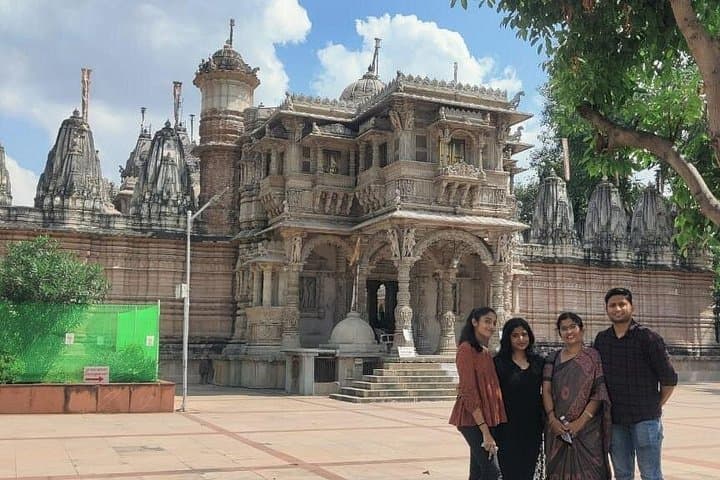
Practical guidance: plan for long drives (several 3–5 hour legs), carry sun and dust protection, and schedule jeep safaris early morning for the best wildlife window. Accommodations range from heritage hotels in Bhavnagar to eco-resorts and tented camps near sanctuaries; local guides and forest‑department naturalists run the safaris and entrances are regulated. Pack lightweight layers, sturdy shoes for temple steps and uneven desert salt, and binoculars for bird and mammal spotting. Respect temple protocols, follow wildlife rules, and leave no trace on fragile salt plains — the landscape rewards patience and careful observation.
easy.
15 days.
Suitable for most travelers; able to handle multiple 3–5 hour drives and short walks, plus some stair climbs at temples.
Most travelers fly into Sardar Vallabhbhai Patel International Airport (Ahmedabad) where transfers and meet‑and‑greet are provided as per the itinerary.
No — sightings of Asiatic lions in Gir and the Indian wild ass in the Little Rann are common but not guaranteed; safaris maximize opportunity but depend on animal movements and park rules.
Yes — the itinerary notes suitability for all fitness levels, though long drives and some temple steps may be challenging; inform the operator about mobility needs in advance.
Winter (November–February) gives cool temperatures and clear skies for Rann sunrises and better wildlife activity in Gir; monsoon months are less reliable for salt‑plain access.
Gujarat preserves layers of human history from Indus‑Valley Dholavira to medieval Solanki temples and Gandhian civic experiments in Ahmedabad.
Gir’s lion recovery is a conservation success but needs continued habitat protection; Little Rann is a fragile salt‑plain ecosystem — stick to designated routes and avoid disturbing wildlife.
Agora Voyages Pvt. Ltd. operates guided outdoor trips and adventures with an emphasis on safety, stewardship, and memorable experiences.
Dawn breaks over the White Rann and the salt flats drink the light; wheels crunch on highway as the van threads from Ahmedabad through dry deciduous forest toward Gir, and then on to the wind-battered villages of Kutch. You feel the country shift under you — riverbanks and stepwells around Ahmedabad give way to Portuguese ramparts in Diu, Harappan stonework at Dholavira, and finally the wide, living silence of the Rann where the horizon seems to dare you to keep watching.
Dawn breaks over the White Rann and the salt flats drink the light; wheels crunch on highway as the van threads from Ahmedabad through dry deciduous forest toward Gir, and then on to the wind-battered villages of Kutch. You feel the country shift under you — riverbanks and stepwells around Ahmedabad give way to Portuguese ramparts in Diu, Harappan stonework at Dholavira, and finally the wide, living silence of the Rann where the horizon seems to dare you to keep watching.
This 15‑day loop stitches together Gujarat’s layered past: Indus Valley engineering at Dholavira, medieval Solanki temples at Modhera and Patan, Mahatma Gandhi’s Sabarmati Ashram, and colonial echoes in Diu. Geologically the region flips between alluvial river plains and salt-encrusted desert; the Little Rann and Great Rann are seasonally flooded playas that support unique migratory birds and the wild ass. Culture here is hands-on — Rogan painting in Nirona, shipbuilding in Mandvi and block printing in Mundra are living crafts.
Practical guidance: plan for long drives (several 3–5 hour legs), carry sun and dust protection, and schedule jeep safaris early morning for the best wildlife window. Accommodations range from heritage hotels in Bhavnagar to eco-resorts and tented camps near sanctuaries; local guides and forest‑department naturalists run the safaris and entrances are regulated. Pack lightweight layers, sturdy shoes for temple steps and uneven desert salt, and binoculars for bird and mammal spotting. Respect temple protocols, follow wildlife rules, and leave no trace on fragile salt plains — the landscape rewards patience and careful observation.