THE ADVENTURE COLLECTIVE® · Independent discovery and booking for outdoor travel

Spend a customizable 6–8 hour day exploring Guilin’s karst skyline with an English-speaking guide. From riverside views at Elephant Trunk Hill to the mineral vaults of Reed Flute Cave, this service helps you navigate geology, culture, and practical logistics.
Spend a customizable 6–8 hour day exploring Guilin’s karst skyline with an English-speaking guide. From riverside views at Elephant Trunk Hill to the mineral vaults of Reed Flute Cave, this service helps you navigate geology, culture, and practical logistics.
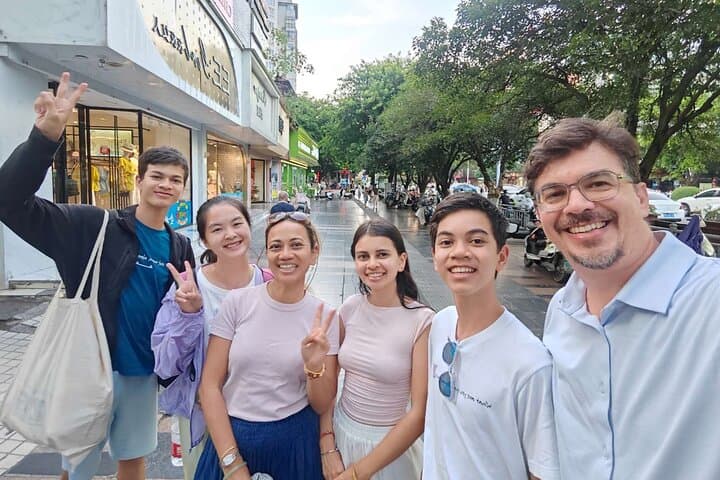
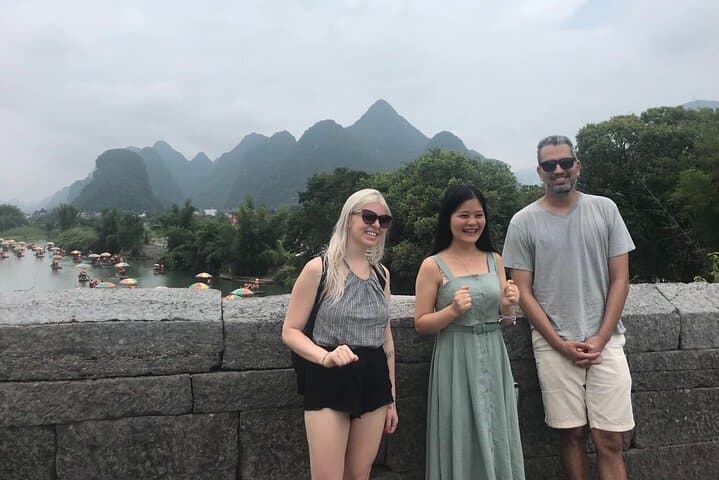
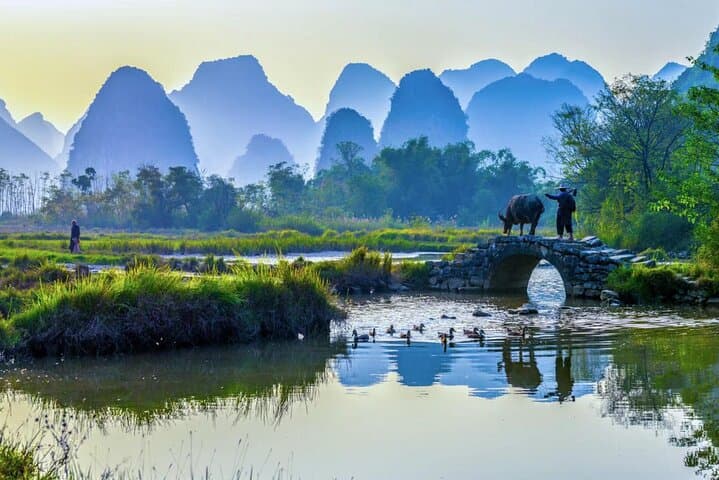
You step out of your hotel into a city shaped by stone—towering karst cones rise like sentries above the Li River, while motorbikes thread through streets lined with banyan trees. A local English-speaking guide folds the map into a conversational plan: Elephant Trunk Hill for a riverside silhouette, Reed Flute Cave for cool, mineral-lit chambers, and a stroll along the Two Rivers and Four Lakes loop to catch the city’s evening reflections.
Verified experiences and guided adventures in the surrounding area.
Operated by 桂林传美旅游服务有限公司 · Guilin, Guangxi
You step out of your hotel into a city shaped by stone—towering karst cones rise like sentries above the Li River, while motorbikes thread through streets lined with banyan trees. A local English-speaking guide folds the map into a conversational plan: Elephant Trunk Hill for a riverside silhouette, Reed Flute Cave for cool, mineral-lit chambers, and a stroll along the Two Rivers and Four Lakes loop to catch the city’s evening reflections.
Guilin’s landscape is geological theatre. The karst towers are ancient limestone sculpted by water over hundreds of thousands of years, and the cave formations record mineral flows in delicate columns. Culturally, Guilin sits at the edge of Guangxi’s Zhuang-speaking counties; markets and tea houses carry threads of minority craft and taste. Historically the city served as a river hub on routes between inland Yunnan and the South China Sea, giving it a mix of Han, Zhuang, and trading influences.
Practically, this is a customizable 6–8 hour day—expect 6–12 km of mostly flat walking with short climbs (steps into caves or up small hills). The guide will meet in your hotel lobby and can adapt the route to pace, mobility, and weather. Bring layers for cave coolness, a refillable water bottle, and a camera with extra battery: light changes quickly along the river. Midday in summer is hot and humid, so schedule outdoor segments for morning or late afternoon. Wheelchair and stroller access are noted for many stops, but some historic sites have stairs—your guide will advise alternatives. With an English-speaking local at your side, Guilin’s iconic karst scenery and lived-in streets become a day you can both see and understand.
easy.
6–8 hours.
Suitable for most fitness levels; requires ability to walk 6–12 km over a day with occasional steps or short climbs.
The tour is customizable but generally runs 6–8 hours (360–480 minutes), covering city highlights and nearby karst viewpoints.
Guides commonly arrange short transfers or direct you to nearby public transport; confirm specific transportation needs when booking.
Yes—many stops are stroller-accessible and the tour is listed as suitable for all fitness levels, though some sites have steps.
Tipping is not widely expected in China, but it’s appreciated for exceptional service; follow local custom and personal discretion.
Guilin developed as a river trading center; its position on the Li River made it a key stop between inland Yunnan and southern ports, shaping a blend of Han and local Zhuang culture.
The karst landscape is sensitive to pollution and overdevelopment; follow your guide’s instructions, avoid littering, and favor local operators committed to low-impact visits.
桂林传美旅游服务有限公司 operates guided outdoor trips and adventures with an emphasis on safety, stewardship, and memorable experiences.

You step out of your hotel into a city shaped by stone—towering karst cones rise like sentries above the Li River, while motorbikes thread through streets lined with banyan trees. A local English-speaking guide folds the map into a conversational plan: Elephant Trunk Hill for a riverside silhouette, Reed Flute Cave for cool, mineral-lit chambers, and a stroll along the Two Rivers and Four Lakes loop to catch the city’s evening reflections.
You step out of your hotel into a city shaped by stone—towering karst cones rise like sentries above the Li River, while motorbikes thread through streets lined with banyan trees. A local English-speaking guide folds the map into a conversational plan: Elephant Trunk Hill for a riverside silhouette, Reed Flute Cave for cool, mineral-lit chambers, and a stroll along the Two Rivers and Four Lakes loop to catch the city’s evening reflections.
Guilin’s landscape is geological theatre. The karst towers are ancient limestone sculpted by water over hundreds of thousands of years, and the cave formations record mineral flows in delicate columns. Culturally, Guilin sits at the edge of Guangxi’s Zhuang-speaking counties; markets and tea houses carry threads of minority craft and taste. Historically the city served as a river hub on routes between inland Yunnan and the South China Sea, giving it a mix of Han, Zhuang, and trading influences.
Practically, this is a customizable 6–8 hour day—expect 6–12 km of mostly flat walking with short climbs (steps into caves or up small hills). The guide will meet in your hotel lobby and can adapt the route to pace, mobility, and weather. Bring layers for cave coolness, a refillable water bottle, and a camera with extra battery: light changes quickly along the river. Midday in summer is hot and humid, so schedule outdoor segments for morning or late afternoon. Wheelchair and stroller access are noted for many stops, but some historic sites have stairs—your guide will advise alternatives. With an English-speaking local at your side, Guilin’s iconic karst scenery and lived-in streets become a day you can both see and understand.