THE ADVENTURE COLLECTIVE® · Independent discovery and booking for outdoor travel

Spend three hours with a local sommelière sampling small-producer California wines at Berkeley’s urban wineries. This intimate tasting focuses on farming, vintage variation, and practical tasting skills — perfect for curious wine lovers.
Spend three hours with a local sommelière sampling small-producer California wines at Berkeley’s urban wineries. This intimate tasting focuses on farming, vintage variation, and practical tasting skills — perfect for curious wine lovers.
Walk through a sun-washed alley in West Berkeley and the city exhales into glass — the hum of traffic becomes background percussion to clinking stems. Your guide, a local sommelière, leads a small group from one airy urban winery to the next. Each stop opens like a page in the story of Northern California grapes: cool-climate chardonnays, tannic cabernets from inland hills, and experimental blends driven by small growers who farm with care.
Verified experiences and guided adventures in the surrounding area.
Operated by Bacchus Loves the Hills · Berkeley, California
Walk through a sun-washed alley in West Berkeley and the city exhales into glass — the hum of traffic becomes background percussion to clinking stems. Your guide, a local sommelière, leads a small group from one airy urban winery to the next. Each stop opens like a page in the story of Northern California grapes: cool-climate chardonnays, tannic cabernets from inland hills, and experimental blends driven by small growers who farm with care.
Berkeley’s urban-winery scene began taking shape two decades ago as producers prioritized relationships with independent growers over owning acreage. The geology of the region — volcanic soils in the foothills and alluvial deposits toward the bay — isn’t on the label, but it speaks through acidity, minerality, and vintage variation. This is a tour about taste and technique: you’ll hear about biodynamic and organic practices, cooperage choices, and how climate and farming alter a bottle’s voice.
Culturally, Berkeley’s food-forward neighborhoods and the nearby Gourmet Ghetto give context to each pour; local cheesemakers and bakers supply the snacks that bridge flights. Many of the urban tasting rooms emphasize ventilation and outdoor seating, so evenings can feel crisp.
Practical details: plan for three hours and six guests maximum, bring a government ID, and wear comfortable shoes for short walks between stops. Hydrate between flights and pace sipping to compare vintages. If you’re curious about pairing, ask the guide — their goal is to arm you with vocabulary and confidence for restaurant or cellar conversations.
This tasting blends approachable education with small-producer advocacy, ideal for travelers who want a grounded, sensory introduction to Bay Area wine beyond the vineyard tour clichés.
easy.
3 hours.
Minimal physical exertion; expect short, flat walks between tasting rooms and standing during tastings
The guided tasting runs approximately three hours, with about an hour spent at each of three wineries.
Yes — snacks are included and vegetarian options are available; mention dietary restrictions when booking.
Most stops are wheelchair accessible and the tour notes indicate accessible surfaces, but contact the operator prior to book for specifics.
Groups are limited to six guests to keep the experience intimate and conversational.
Berkeley’s urban-winery movement grew over the last 20 years as makers partnered with independent Northern California growers instead of owning vineyards, creating a concentration of small, experimental producers downtown.
Many urban wineries work with sustainably farmed or organic grapes and emphasize small-batch production to reduce waste; support for local producers helps keep agriculture-scale practices viable.
Bacchus Loves the Hills operates guided outdoor trips and adventures with an emphasis on safety, stewardship, and memorable experiences.
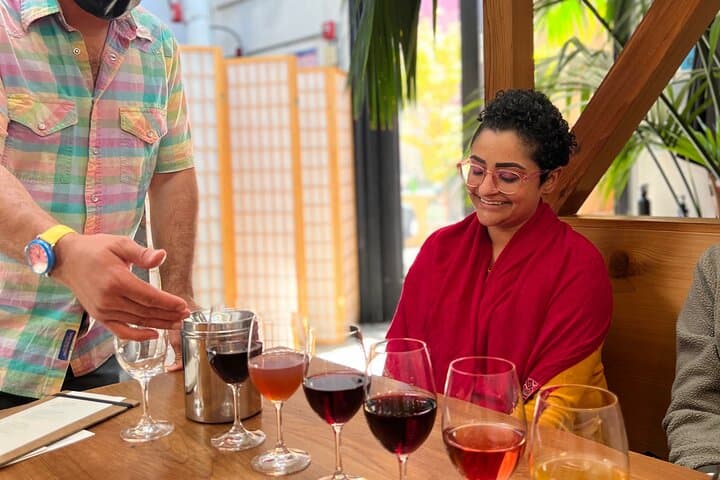
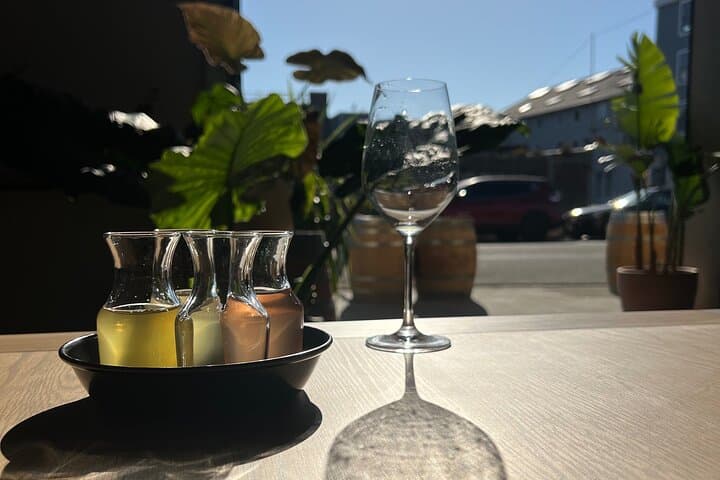
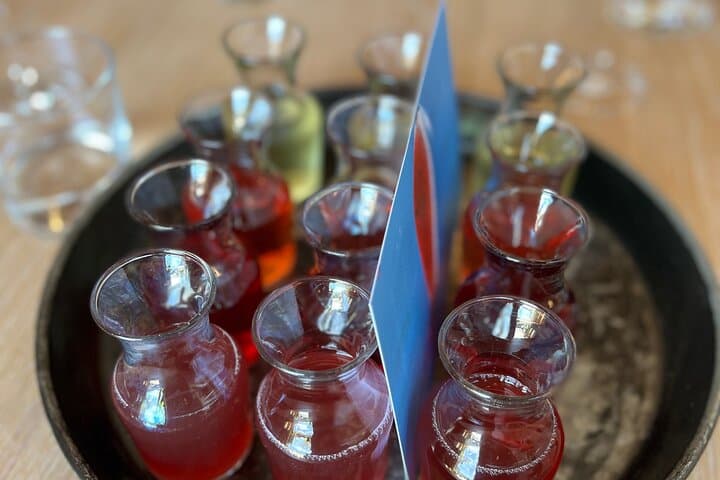
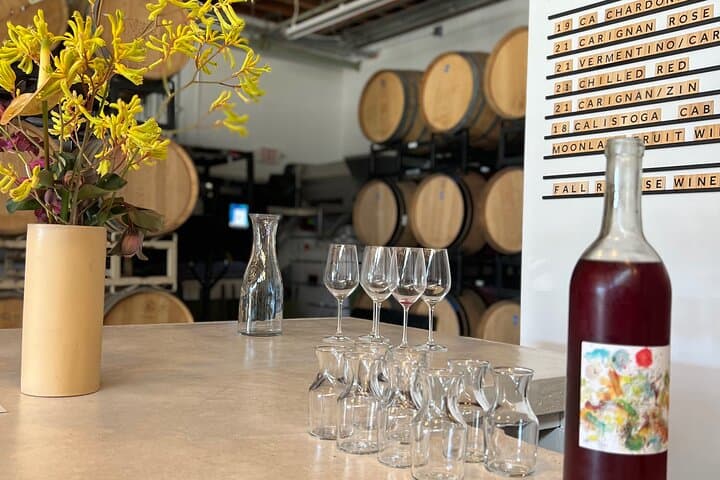
Walk through a sun-washed alley in West Berkeley and the city exhales into glass — the hum of traffic becomes background percussion to clinking stems. Your guide, a local sommelière, leads a small group from one airy urban winery to the next. Each stop opens like a page in the story of Northern California grapes: cool-climate chardonnays, tannic cabernets from inland hills, and experimental blends driven by small growers who farm with care.
Walk through a sun-washed alley in West Berkeley and the city exhales into glass — the hum of traffic becomes background percussion to clinking stems. Your guide, a local sommelière, leads a small group from one airy urban winery to the next. Each stop opens like a page in the story of Northern California grapes: cool-climate chardonnays, tannic cabernets from inland hills, and experimental blends driven by small growers who farm with care.
Berkeley’s urban-winery scene began taking shape two decades ago as producers prioritized relationships with independent growers over owning acreage. The geology of the region — volcanic soils in the foothills and alluvial deposits toward the bay — isn’t on the label, but it speaks through acidity, minerality, and vintage variation. This is a tour about taste and technique: you’ll hear about biodynamic and organic practices, cooperage choices, and how climate and farming alter a bottle’s voice.
Culturally, Berkeley’s food-forward neighborhoods and the nearby Gourmet Ghetto give context to each pour; local cheesemakers and bakers supply the snacks that bridge flights. Many of the urban tasting rooms emphasize ventilation and outdoor seating, so evenings can feel crisp.
Practical details: plan for three hours and six guests maximum, bring a government ID, and wear comfortable shoes for short walks between stops. Hydrate between flights and pace sipping to compare vintages. If you’re curious about pairing, ask the guide — their goal is to arm you with vocabulary and confidence for restaurant or cellar conversations.
This tasting blends approachable education with small-producer advocacy, ideal for travelers who want a grounded, sensory introduction to Bay Area wine beyond the vineyard tour clichés.