THE ADVENTURE COLLECTIVE® · Independent discovery and booking for outdoor travel

Pick a route each morning with a guide who tailors the day to your experience — waterfalls, alpine lakes, or ridgelines are all on the table. This full-day guided hike departs Seattle and covers varied Washington terrain with practical pacing, snacks, and photos included.
Pick a route each morning with a guide who tailors the day to your experience — waterfalls, alpine lakes, or ridgelines are all on the table. This full-day guided hike departs Seattle and covers varied Washington terrain with practical pacing, snacks, and photos included.
You meet on a cool Seattle morning outside the Northwest African American Museum; damp air clings to your jacket as a guide checks boots and asks what you want to see — mountain ridgelines, a hidden waterfall, or a glassy alpine lake. The group files into vehicles and the city thins into evergreens; the forest seems to lean forward, as if inviting you to move deeper.
Verified experiences and guided adventures in the surrounding area.
Operated by Miles Hike Club · Seattle, Washington
You meet on a cool Seattle morning outside the Northwest African American Museum; damp air clings to your jacket as a guide checks boots and asks what you want to see — mountain ridgelines, a hidden waterfall, or a glassy alpine lake. The group files into vehicles and the city thins into evergreens; the forest seems to lean forward, as if inviting you to move deeper.
Geology here is immediate: fractured volcanic and glacially scoured slopes create bowls that hold lakes and funnel seasonal streams. The places you might hike range from low-elevation forest loops to mid-elevation ridgelines of the Cascades, each trail carrying traces of logging eras, Indigenous land use, and the later boom in outdoor recreation that shaped access and trail maintenance.
Culturally, guides often weave local stories into the walk — trail names, old mine sites, and the living presence of the Duwamish and other regional tribes. Expect clear, practical choices: route selection depends on group ability and conditions, and the guide adapts mileage and pace.
Practical prep matters. Wear broken-in trail shoes, bring layered clothing for shifting weather, and carry at least 1 liter of water plus snacks; trekking poles are often supplied. Trails can gain 500–1,200 feet in a few miles and include rocky, muddy, or rooty sections, so steady footing and moderate fitness make the day more rewarding. Start early for better light and quieter trails, and plan for 6–7 hours door-to-door. Leave no trace: pack out wrappers and follow your guide’s briefings to protect fragile alpine plants and stream banks.
moderate.
6–7 hours.
Participants should have a moderate level of fitness: able to hike 6–10 miles with 500–1,200 ft elevation gain at a steady pace.
Moderate fitness is recommended; guides adjust route difficulty to the group, but expect multi-mile hikes with steady elevation gain.
Guides provide bottled water, snacks, basic first aid, and often photos; parking fees are included per the listing.
Routes are chosen the day of based on group ability, weather, and desired sights (waterfalls, lakes, ridgelines).
Yes — beginners who are reasonably active can join; communicate any limitations when booking so the guide can plan an appropriate route.
Many accessible trails cross land historically used by regional tribes and later modified during logging and early recreational development in the 20th century.
Stay on marked trails to protect fragile understory and stream banks; small-group guiding helps limit impact while supporting local trail stewardship programs.
Miles Hike Club operates guided outdoor trips and adventures with an emphasis on safety, stewardship, and memorable experiences.
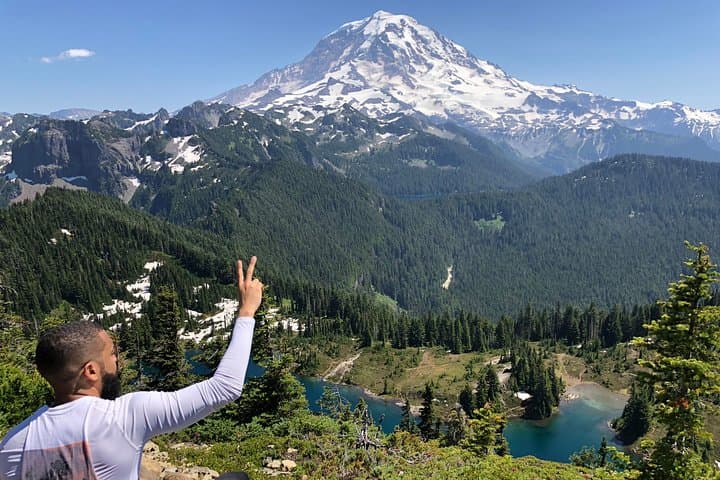
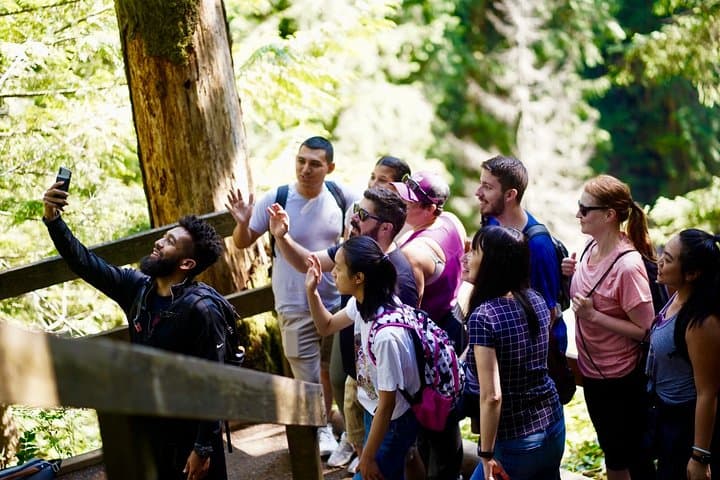
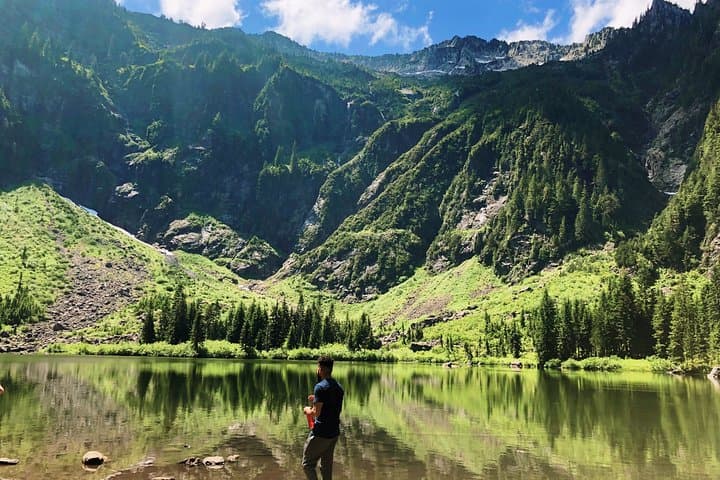
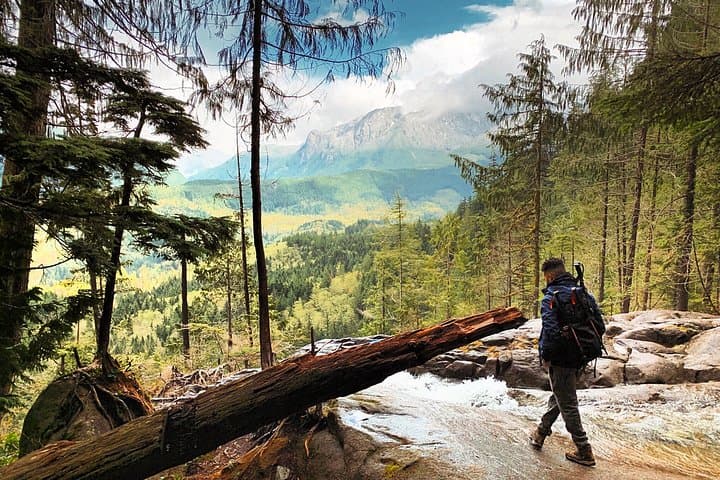
You meet on a cool Seattle morning outside the Northwest African American Museum; damp air clings to your jacket as a guide checks boots and asks what you want to see — mountain ridgelines, a hidden waterfall, or a glassy alpine lake. The group files into vehicles and the city thins into evergreens; the forest seems to lean forward, as if inviting you to move deeper.
You meet on a cool Seattle morning outside the Northwest African American Museum; damp air clings to your jacket as a guide checks boots and asks what you want to see — mountain ridgelines, a hidden waterfall, or a glassy alpine lake. The group files into vehicles and the city thins into evergreens; the forest seems to lean forward, as if inviting you to move deeper.
Geology here is immediate: fractured volcanic and glacially scoured slopes create bowls that hold lakes and funnel seasonal streams. The places you might hike range from low-elevation forest loops to mid-elevation ridgelines of the Cascades, each trail carrying traces of logging eras, Indigenous land use, and the later boom in outdoor recreation that shaped access and trail maintenance.
Culturally, guides often weave local stories into the walk — trail names, old mine sites, and the living presence of the Duwamish and other regional tribes. Expect clear, practical choices: route selection depends on group ability and conditions, and the guide adapts mileage and pace.
Practical prep matters. Wear broken-in trail shoes, bring layered clothing for shifting weather, and carry at least 1 liter of water plus snacks; trekking poles are often supplied. Trails can gain 500–1,200 feet in a few miles and include rocky, muddy, or rooty sections, so steady footing and moderate fitness make the day more rewarding. Start early for better light and quieter trails, and plan for 6–7 hours door-to-door. Leave no trace: pack out wrappers and follow your guide’s briefings to protect fragile alpine plants and stream banks.