THE ADVENTURE COLLECTIVE® · Independent discovery and booking for outdoor travel

Choose a guided walk through the Costa Blanca to trade crowded beaches for limestone ridges, gorges and citrus valleys. From easy reservoir circuits to summit pushes on Puig Campana and Aitana, experienced local guides handle navigation and logistics so you can focus on the views.
Choose a guided walk through the Costa Blanca to trade crowded beaches for limestone ridges, gorges and citrus valleys. From easy reservoir circuits to summit pushes on Puig Campana and Aitana, experienced local guides handle navigation and logistics so you can focus on the views.
A step off the coastal road and into cedar-scented air shifts perspective: terraced orange groves fall away to limestone ridges and sheer gorges, and the Mediterranean glints beyond. On a Costa Blanca guided walk the trail can switch from shaded olive terraces to exposed limestone ridge in a matter of steps, each section revealing a different face of Alicante’s interior.
Verified experiences and guided adventures in the surrounding area.
Operated by Bike Breaks SL · Benidorm, Alicante
A step off the coastal road and into cedar-scented air shifts perspective: terraced orange groves fall away to limestone ridges and sheer gorges, and the Mediterranean glints beyond. On a Costa Blanca guided walk the trail can switch from shaded olive terraces to exposed limestone ridge in a matter of steps, each section revealing a different face of Alicante’s interior.
The range is geologically young limestone and marl: karst ridges, sinkholes and steep scarps carved by episodic torrents. Moorish and later Christian farmers left dry-stone walls, irrigation channels and mountain villages that still cultivate almonds and citrus—local culture appears in simple mountain cuisine and the stone architecture of villages like Guadalest.
Walks here span easy reservoir circuits to strenuous ascents: Guadalest Reservoir Circuit (easy); Puig Campana summit (strenuous, 1,406 m); Aitana (strenuous, 1,558 m). Guides provide route-finding, multilingual commentary (English, Spanish, Dutch, German), water, packed lunches on longer routes and optional walking poles—useful because many footpaths are indistinct and public transport is limited.
Practical side: choose your walk when booking, expect 3–8 hours on the trail, and be prepared for strong sun and sudden wind on exposed ridges. Solid hiking shoes, layered clothing, at least 2–3 liters of water and mid-morning starts in summer make for safer, more comfortable days. Respect marked routes—water is scarce in summer and local communities rely on mountain etiquette to protect trails and crops.
moderate.
3–8 hours.
Participants should have a moderate level of fitness for easy/moderate routes; summit days require strong cardiovascular fitness and steady uphill capability.
Yes—hotel/port pickup and drop-off is included; confirm pickup point when you book.
Some easy circuits like Guadalest Reservoir are family-friendly; choose an easy route and check fitness and trail conditions in advance.
Local guides commonly speak English, Spanish, Dutch and German; request language needs when booking.
On moderate to long walks guides typically include water, a day pack if needed, walking poles, packed lunch on certain routes and entrance fees where applicable.
The area bears Moorish agricultural engineering and later rural Christian communities—dry-stone terraces and irrigation channels reflect centuries of mountain farming.
Trails are fragile and water is limited—stay on marked paths, pack out litter and avoid fire risk during the dry season.
Bike Breaks SL operates guided outdoor trips and adventures with an emphasis on safety, stewardship, and memorable experiences.
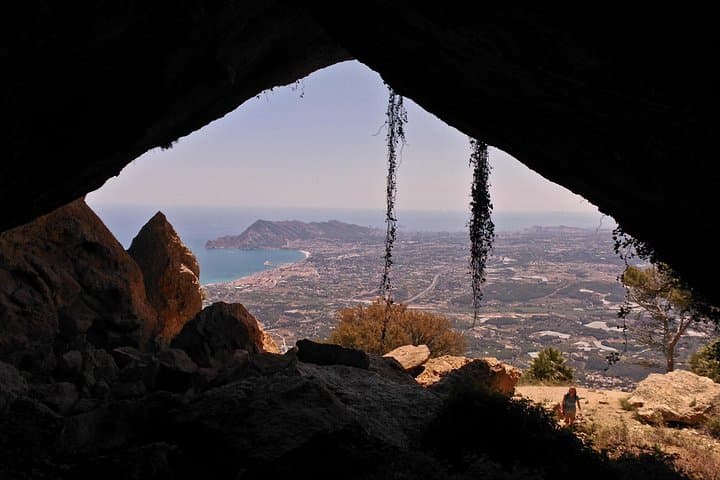
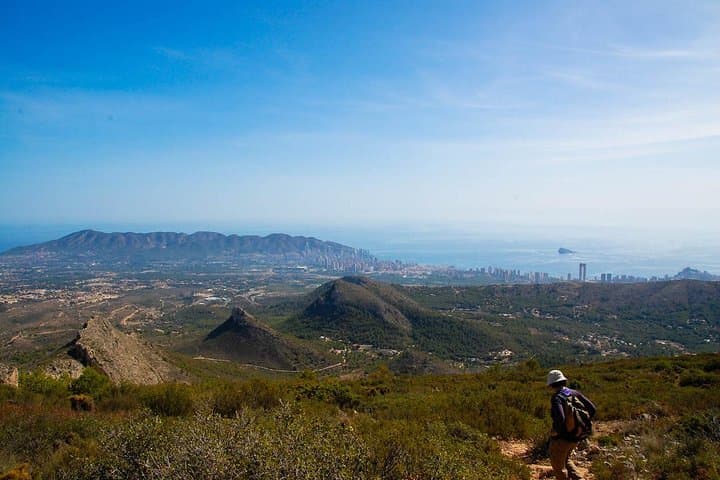
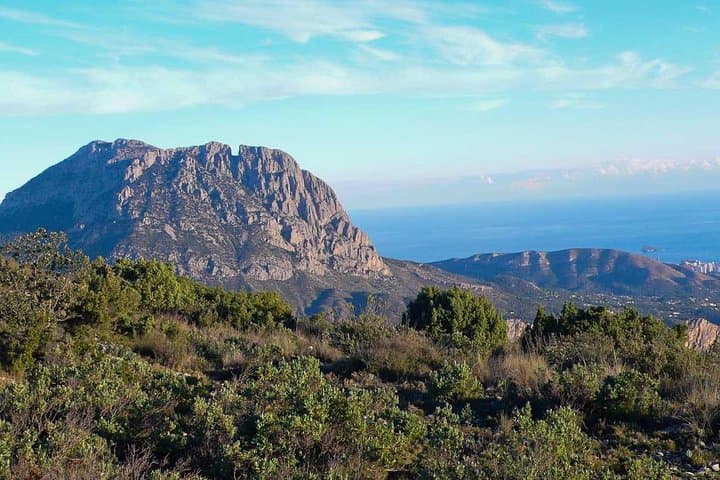
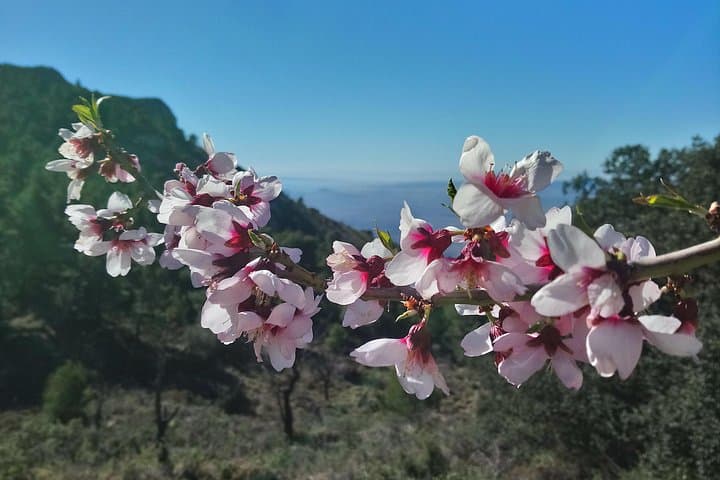
A step off the coastal road and into cedar-scented air shifts perspective: terraced orange groves fall away to limestone ridges and sheer gorges, and the Mediterranean glints beyond. On a Costa Blanca guided walk the trail can switch from shaded olive terraces to exposed limestone ridge in a matter of steps, each section revealing a different face of Alicante’s interior.
A step off the coastal road and into cedar-scented air shifts perspective: terraced orange groves fall away to limestone ridges and sheer gorges, and the Mediterranean glints beyond. On a Costa Blanca guided walk the trail can switch from shaded olive terraces to exposed limestone ridge in a matter of steps, each section revealing a different face of Alicante’s interior.
The range is geologically young limestone and marl: karst ridges, sinkholes and steep scarps carved by episodic torrents. Moorish and later Christian farmers left dry-stone walls, irrigation channels and mountain villages that still cultivate almonds and citrus—local culture appears in simple mountain cuisine and the stone architecture of villages like Guadalest.
Walks here span easy reservoir circuits to strenuous ascents: Guadalest Reservoir Circuit (easy); Puig Campana summit (strenuous, 1,406 m); Aitana (strenuous, 1,558 m). Guides provide route-finding, multilingual commentary (English, Spanish, Dutch, German), water, packed lunches on longer routes and optional walking poles—useful because many footpaths are indistinct and public transport is limited.
Practical side: choose your walk when booking, expect 3–8 hours on the trail, and be prepared for strong sun and sudden wind on exposed ridges. Solid hiking shoes, layered clothing, at least 2–3 liters of water and mid-morning starts in summer make for safer, more comfortable days. Respect marked routes—water is scarce in summer and local communities rely on mountain etiquette to protect trails and crops.