THE ADVENTURE COLLECTIVE® · Independent discovery and booking for outdoor travel

Explore Diaccia Botrona on a guided 2–3 hour walking and birdwatching tour through the last stretch of the ancient Castiglione marshes. Learn about historic waterworks, spot waders and herons, and experience the flat, wind-sculpted marshland of the Tuscan coast.
Explore Diaccia Botrona on a guided 2–3 hour walking and birdwatching tour through the last stretch of the ancient Castiglione marshes. Learn about historic waterworks, spot waders and herons, and experience the flat, wind-sculpted marshland of the Tuscan coast.
You step off the salt-warmed path and the marsh opens: reeds stir like a sea of green, and a curlew’s call threads the cool air. The Diaccia Botrona Regional Nature Reserve feels immediate—flat, expansive, and edged by Mediterranean scrub that leans toward the Tyrrhenian.
Verified experiences and guided adventures in the surrounding area.
Operated by Maremmagica · Castiglione della Pescaia, Tuscany
You step off the salt-warmed path and the marsh opens: reeds stir like a sea of green, and a curlew’s call threads the cool air. The Diaccia Botrona Regional Nature Reserve feels immediate—flat, expansive, and edged by Mediterranean scrub that leans toward the Tyrrhenian.
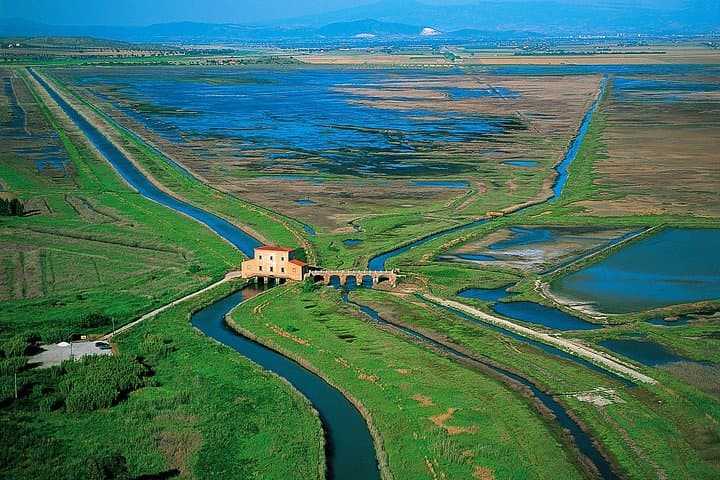
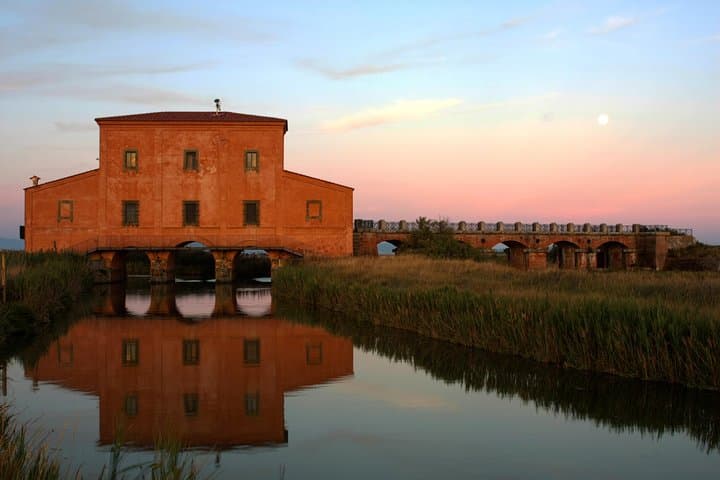
This strip is the remnant of the ancient Castiglione marshes and the Roman "Lago Prile." Centuries of water engineering—most famously the 1765 Fabbrica delle Cateratte—tell a human story of drainage, reclamation, and coexistence with tides. Geologically, the plain is recent alluvium and peat; tides and seasonal rains rearrange channels and mudflats with quiet efficiency.
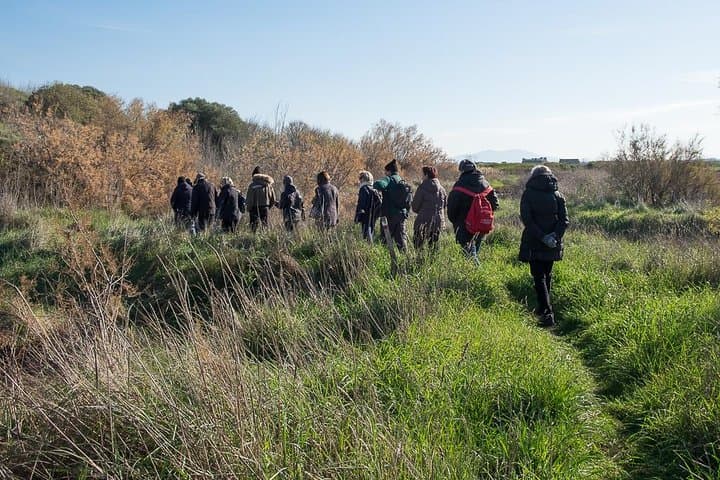
On a guided walk with an environmental expert you’ll read the land in birdcalls and water patterns: telescopes often come out for waders, herons, and wintering ducks. Guides point to the old sluiceworks, explain agricultural shifts in the Maremma, and highlight local traditions tied to fishing and salt production along nearby shores.
Practical edge: routes are flat but exposed—expect dusty tracks and raised boardwalks; the tour runs about 2–3 hours and is suitable for most fitness levels. Bring sturdy shoes, sun protection, and binoculars; dawn and late afternoon maximize bird activity and soft light.
Conservation-minded visitors should stick to paths, avoid disturbing nesting areas, and follow guide direction—this reserve is fragile, with shifting habitats that depend on careful human stewardship. The result is a quiet, elemental walk through a living coastal marsh.
easy.
2–3 hours.
Suitable for most people who can walk on flat terrain for a few hours; minimal elevation and low impact.
Most walks last about 2–3 hours, depending on bird activity and group pace.
The terrain is flat but can be uneven and muddy; older children comfortable with walking do well, strollers may be difficult on some sections.
Service animals are permitted, but pets should be left at home to avoid disturbing wildlife unless explicitly allowed by the operator.
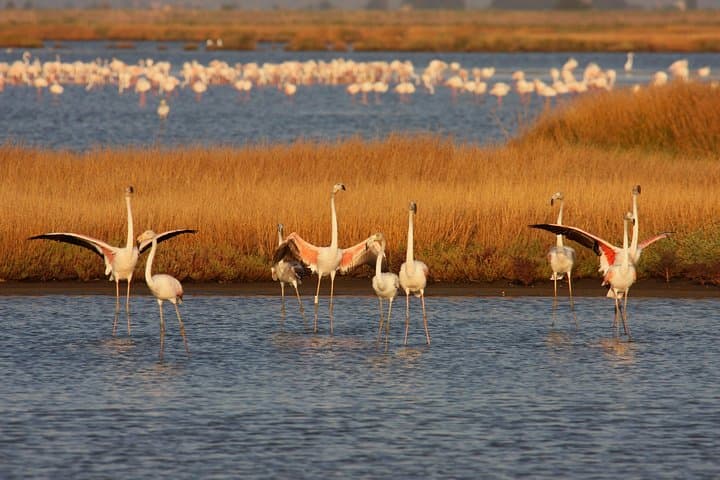
Expect waders, herons, possibly kingfishers, and a mosaic of reedbeds, channels, and historic sluices—sightings vary seasonally.
The reserve is the last remnant of the Castiglione marshes; 18th-century hydraulic works by Leonardo Ximenes shaped modern water control in the area.
Diaccia Botrona is protected to preserve wetland habitat for migratory and resident birds; visitors should stay on trails to avoid trampling reedbeds and disturbing nesting areas.
Maremmagica operates guided outdoor trips and adventures with an emphasis on safety, stewardship, and memorable experiences.
You step off the salt-warmed path and the marsh opens: reeds stir like a sea of green, and a curlew’s call threads the cool air. The Diaccia Botrona Regional Nature Reserve feels immediate—flat, expansive, and edged by Mediterranean scrub that leans toward the Tyrrhenian.
You step off the salt-warmed path and the marsh opens: reeds stir like a sea of green, and a curlew’s call threads the cool air. The Diaccia Botrona Regional Nature Reserve feels immediate—flat, expansive, and edged by Mediterranean scrub that leans toward the Tyrrhenian.
This strip is the remnant of the ancient Castiglione marshes and the Roman "Lago Prile." Centuries of water engineering—most famously the 1765 Fabbrica delle Cateratte—tell a human story of drainage, reclamation, and coexistence with tides. Geologically, the plain is recent alluvium and peat; tides and seasonal rains rearrange channels and mudflats with quiet efficiency.
On a guided walk with an environmental expert you’ll read the land in birdcalls and water patterns: telescopes often come out for waders, herons, and wintering ducks. Guides point to the old sluiceworks, explain agricultural shifts in the Maremma, and highlight local traditions tied to fishing and salt production along nearby shores.
Practical edge: routes are flat but exposed—expect dusty tracks and raised boardwalks; the tour runs about 2–3 hours and is suitable for most fitness levels. Bring sturdy shoes, sun protection, and binoculars; dawn and late afternoon maximize bird activity and soft light.
Conservation-minded visitors should stick to paths, avoid disturbing nesting areas, and follow guide direction—this reserve is fragile, with shifting habitats that depend on careful human stewardship. The result is a quiet, elemental walk through a living coastal marsh.