THE ADVENTURE COLLECTIVE® · Independent discovery and booking for outdoor travel

Follow St Cuthbert’s Way through red-squirrel woodlands to a cave with views across to Holy Island. This guided three-hour walk mixes Anglo-Saxon history, wildlife conservation, and classic Northumberland scenery.
Follow St Cuthbert’s Way through red-squirrel woodlands to a cave with views across to Holy Island. This guided three-hour walk mixes Anglo-Saxon history, wildlife conservation, and classic Northumberland scenery.
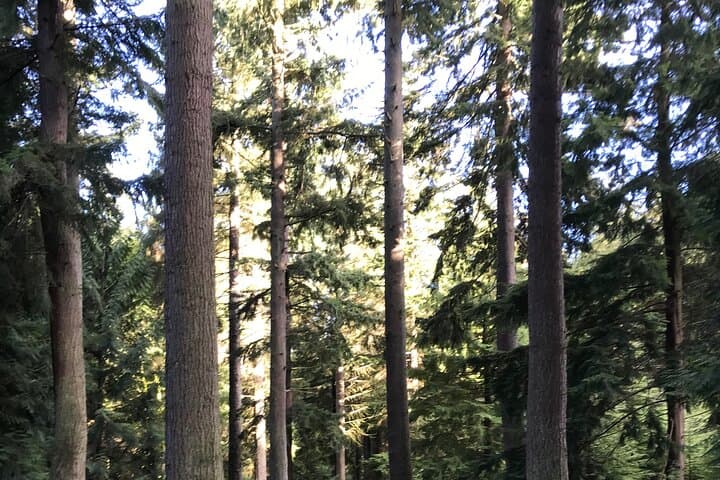
Hikers begin on a narrow lane off the Chatton–Holburn road and step into a landscape that feels older than the fences and farm tracks — a mix of wood, pasture and the low skyline of the Cheviot Hills. The path threads through a cool, red-squirrel–friendly wood before opening to farmland and the stretch of St Cuthbert’s Way that runs to a small cave with direct sightlines to Holy Island (Lindisfarne).
Verified experiences and guided adventures in the surrounding area.
Operated by Heritage Walks Northumberland · Chatton, Northumberland
Hikers begin on a narrow lane off the Chatton–Holburn road and step into a landscape that feels older than the fences and farm tracks — a mix of wood, pasture and the low skyline of the Cheviot Hills. The path threads through a cool, red-squirrel–friendly wood before opening to farmland and the stretch of St Cuthbert’s Way that runs to a small cave with direct sightlines to Holy Island (Lindisfarne).
This walk traces routes used since the Anglo-Saxon era: St Cuthbert’s relics and followers crossed these fields in the seventh century, and the cave became part of that pilgrimage story. Geologically the uplands ahead are the worn edges of the Cheviots — old volcanic and Ordovician rocks sculpted into rolling hills — while the valley soils support mixed pasture and scattered oak and pine.
Local culture leans rural and conservation-minded: red-squirrel conservation projects are active here and guides usually include natural-history notes and island lore. Expect clear views to the tidal causeway of Holy Island on a good day and stories about monks and coastal burials.
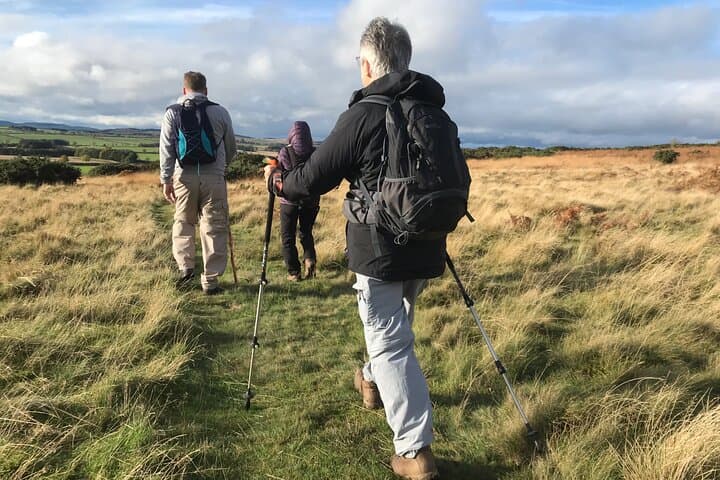
Practical guidance: the route is a steady three-hour walk over dirt tracks, grassy paths and some short inclines; good footwear and layered clothing are essential. Water and a light pack lunch keep the pace comfortable. Follow the guide’s route to avoid field gates and nesting areas, and keep dogs on leads where requested. Aim for morning light if the forecast is mixed; the wood is best for wildlife sightings at dawn and dusk.
moderate.
3 hours.
Suitable for walkers with moderate fitness; comfortable on uneven ground and short inclines.
The guided itinerary is about three hours on moderate terrain: no technical scrambling but expect uneven grassy and woodland paths with short climbs.
Service animals are allowed; other dogs may be permitted but should be on a lead to protect wildlife and livestock — check with the guide when booking.
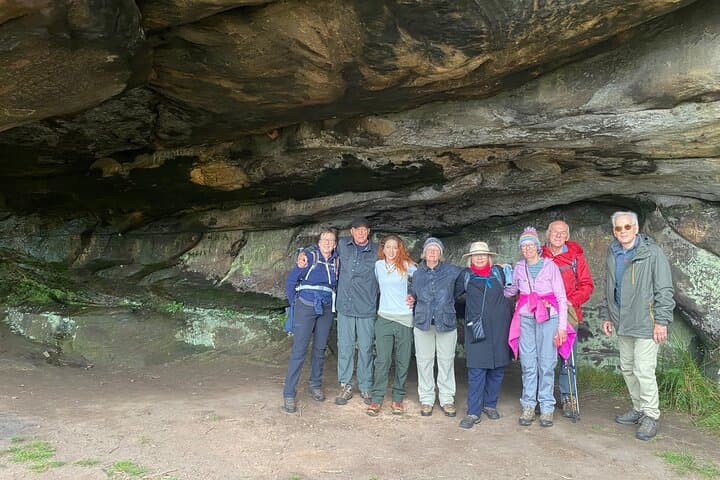
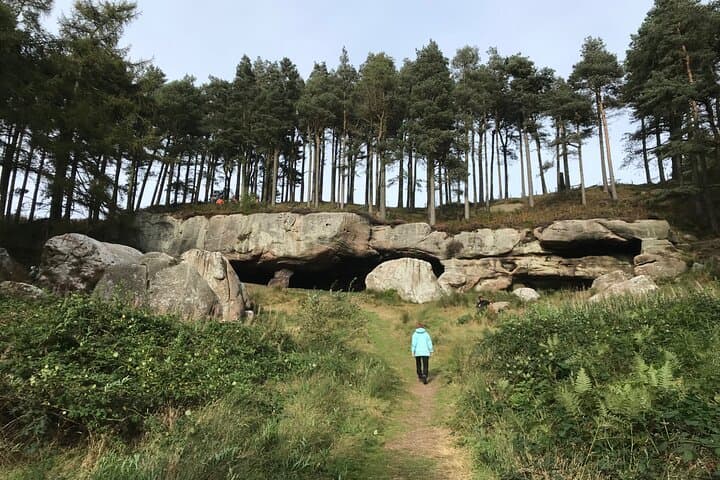
The cave is a shallow, low-roofed recess accessible from the trail without climbing; watch footing on the approach as ground can be uneven.
Bring a waterproof layer, hat, gloves in cooler months, and sun protection in summer; pack water and a snack as there are no on-route services.
St Cuthbert was a 7th-century monk and bishop whose burial and cult shaped pilgrimage routes here; Holy Island served as an early ecclesiastical center and burial place.
Local groups work to protect red-squirrel habitat and manage footpaths to reduce erosion; visitors are asked to follow signed routes and avoid disturbing wildlife.
Heritage Walks Northumberland operates guided outdoor trips and adventures with an emphasis on safety, stewardship, and memorable experiences.
Hikers begin on a narrow lane off the Chatton–Holburn road and step into a landscape that feels older than the fences and farm tracks — a mix of wood, pasture and the low skyline of the Cheviot Hills. The path threads through a cool, red-squirrel–friendly wood before opening to farmland and the stretch of St Cuthbert’s Way that runs to a small cave with direct sightlines to Holy Island (Lindisfarne).
Hikers begin on a narrow lane off the Chatton–Holburn road and step into a landscape that feels older than the fences and farm tracks — a mix of wood, pasture and the low skyline of the Cheviot Hills. The path threads through a cool, red-squirrel–friendly wood before opening to farmland and the stretch of St Cuthbert’s Way that runs to a small cave with direct sightlines to Holy Island (Lindisfarne).
This walk traces routes used since the Anglo-Saxon era: St Cuthbert’s relics and followers crossed these fields in the seventh century, and the cave became part of that pilgrimage story. Geologically the uplands ahead are the worn edges of the Cheviots — old volcanic and Ordovician rocks sculpted into rolling hills — while the valley soils support mixed pasture and scattered oak and pine.
Local culture leans rural and conservation-minded: red-squirrel conservation projects are active here and guides usually include natural-history notes and island lore. Expect clear views to the tidal causeway of Holy Island on a good day and stories about monks and coastal burials.
Practical guidance: the route is a steady three-hour walk over dirt tracks, grassy paths and some short inclines; good footwear and layered clothing are essential. Water and a light pack lunch keep the pace comfortable. Follow the guide’s route to avoid field gates and nesting areas, and keep dogs on leads where requested. Aim for morning light if the forecast is mixed; the wood is best for wildlife sightings at dawn and dusk.