THE ADVENTURE COLLECTIVE® · Independent discovery and booking for outdoor travel

A brisk 90-minute guided walk that brings Gustav Vigeland’s controversial and compelling sculptures into focus. Ideal for first-time visitors who want the highlights, context, and practical tips for a smooth visit.
A brisk 90-minute guided walk that brings Gustav Vigeland’s controversial and compelling sculptures into focus. Ideal for first-time visitors who want the highlights, context, and practical tips for a smooth visit.
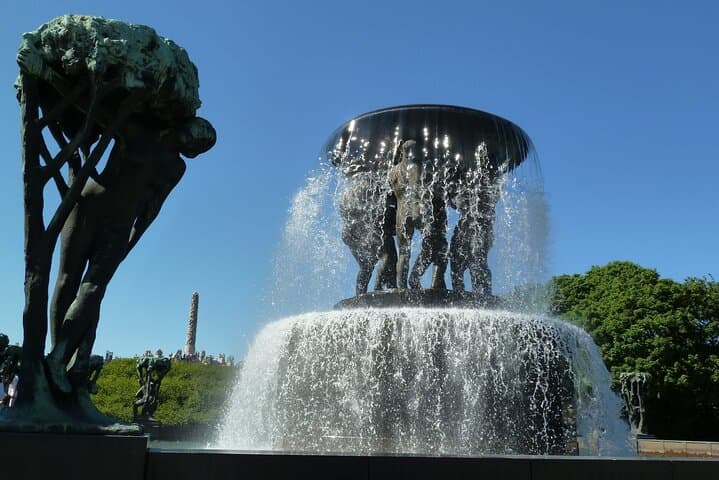
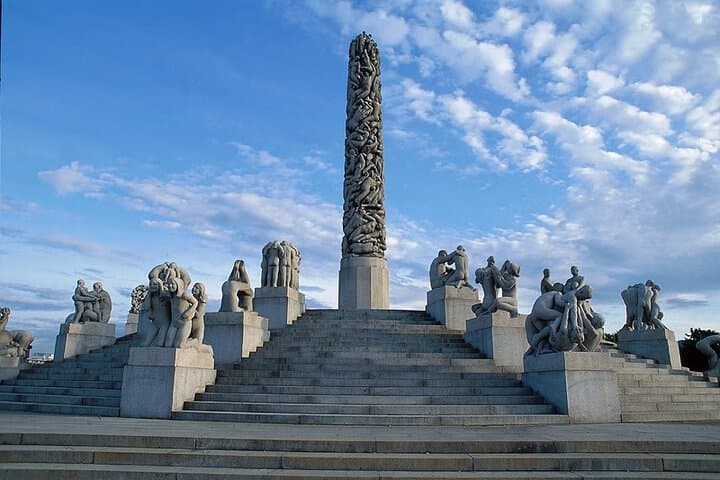
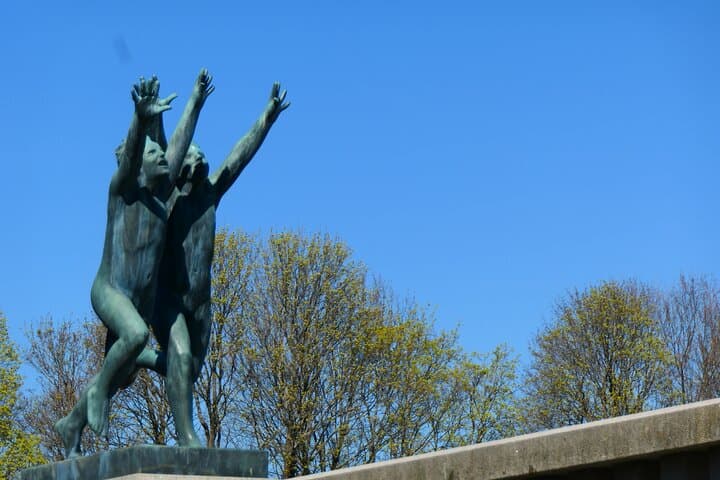
A cool Oslo morning opens with the crunch of gravel underfoot and stone figures rising like a crowd at attention. The 90-minute guided walk through Vigelandsparken moves briskly from a quieter children’s square to the famous Angry Boy on the central bridge, then past the Fountain and up to the Monolith plateau for a top-down view of the park’s human forms.
Verified experiences and guided adventures in the surrounding area.
Operated by Oslo Guidebureau · Oslo, Oslo
A cool Oslo morning opens with the crunch of gravel underfoot and stone figures rising like a crowd at attention. The 90-minute guided walk through Vigelandsparken moves briskly from a quieter children’s square to the famous Angry Boy on the central bridge, then past the Fountain and up to the Monolith plateau for a top-down view of the park’s human forms.
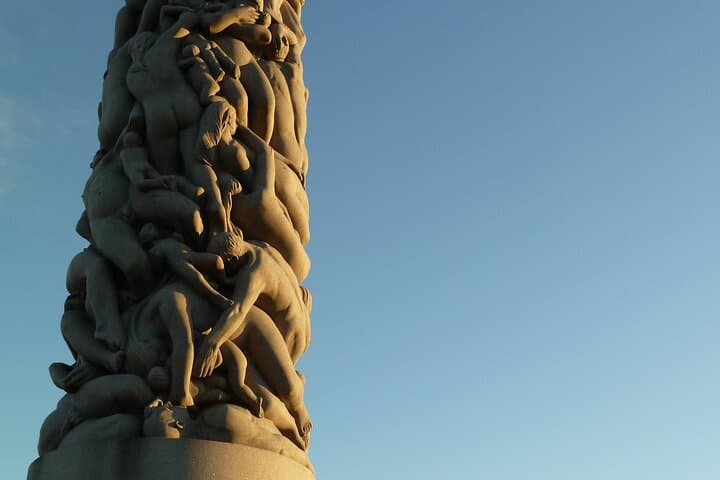
The walk places visitors inside the life work of Gustav Vigeland, who spent more than four decades producing over 200 sculptures here. The park sits inside Frogner Park on land managed by the city of Oslo; its granite Monolith — hewn into a mass of intertwined figures — anchors the site. Beyond the art, the grounds reflect Oslo’s urban park tradition: long sightlines, sculpted lawns, and stately plane trees that frame seasonal light.
Practical guidance is simple and direct. The route is paved and mostly flat, suitable for strollers and wheelchairs, but bring a light jacket — Oslo weather can change fast. Mornings and late afternoons offer the best light for photos and smaller crowds; summer afternoons are busiest. Guides add context: sculptural themes, Vigeland’s methods, and lesser-known corners such as the children’s square.
Respect the works: do not climb sculptures, keep dogs leashed, and stay on paths. Public transport stops are a short walk away, and the tour’s 90-minute format makes it an efficient cultural stop that leaves time to visit the adjacent Vigeland Museum or wander Frogner Park’s rose beds.
easy.
1.5 hours (90 minutes).
Light walking on paved, mostly flat paths; suitable for most fitness levels, including families with strollers.
The guided walk lasts approximately 90 minutes and covers key areas including the children’s square, the Fountain, and the Monolith plateau.
Vigelandsparken is a public park and free to enter; the tour provides interpretive guiding rather than an admission ticket.
Yes — paths are paved and fairly level; the tour notes indicate wheelchair and stroller accessibility but confirm any specific mobility needs when booking.
Language offerings can vary by operator and schedule; check the booking page for available guide languages before you reserve.
Gustav Vigeland conceived and executed the park’s sculptures over roughly 40 years; the Monolith is a 14‑meter granite column carved with over 100 interlocked human figures.
The park is managed by Oslo municipality; visitors are asked to stay on paths, avoid touching or climbing sculptures, and carry out trash to protect the site for future visitors.
Oslo Guidebureau operates guided outdoor trips and adventures with an emphasis on safety, stewardship, and memorable experiences.
A cool Oslo morning opens with the crunch of gravel underfoot and stone figures rising like a crowd at attention. The 90-minute guided walk through Vigelandsparken moves briskly from a quieter children’s square to the famous Angry Boy on the central bridge, then past the Fountain and up to the Monolith plateau for a top-down view of the park’s human forms.
A cool Oslo morning opens with the crunch of gravel underfoot and stone figures rising like a crowd at attention. The 90-minute guided walk through Vigelandsparken moves briskly from a quieter children’s square to the famous Angry Boy on the central bridge, then past the Fountain and up to the Monolith plateau for a top-down view of the park’s human forms.
The walk places visitors inside the life work of Gustav Vigeland, who spent more than four decades producing over 200 sculptures here. The park sits inside Frogner Park on land managed by the city of Oslo; its granite Monolith — hewn into a mass of intertwined figures — anchors the site. Beyond the art, the grounds reflect Oslo’s urban park tradition: long sightlines, sculpted lawns, and stately plane trees that frame seasonal light.
Practical guidance is simple and direct. The route is paved and mostly flat, suitable for strollers and wheelchairs, but bring a light jacket — Oslo weather can change fast. Mornings and late afternoons offer the best light for photos and smaller crowds; summer afternoons are busiest. Guides add context: sculptural themes, Vigeland’s methods, and lesser-known corners such as the children’s square.
Respect the works: do not climb sculptures, keep dogs leashed, and stay on paths. Public transport stops are a short walk away, and the tour’s 90-minute format makes it an efficient cultural stop that leaves time to visit the adjacent Vigeland Museum or wander Frogner Park’s rose beds.