THE ADVENTURE COLLECTIVE® · Independent discovery and booking for outdoor travel

A 90-minute guided walk through Shukkei-en unlocks three centuries of Japanese garden design in the heart of Hiroshima. Expect calm ponds, curved stone bridges, and compacted vistas crafted to feel like a larger landscape.
A 90-minute guided walk through Shukkei-en unlocks three centuries of Japanese garden design in the heart of Hiroshima. Expect calm ponds, curved stone bridges, and compacted vistas crafted to feel like a larger landscape.
You step through a low gate and the city’s bustle slips behind you—pines lean toward a central pond that seems to hold a calm all its own. Footsteps soften on gravel as a local guide points out a curved stone bridge and a low wooden stage built for moon viewing; the pond answers with koi that cut through reflections like stirred ink.
Verified experiences and guided adventures in the surrounding area.
Operated by DeepExperience · Hiroshima, Hiroshima Prefecture
You step through a low gate and the city’s bustle slips behind you—pines lean toward a central pond that seems to hold a calm all its own. Footsteps soften on gravel as a local guide points out a curved stone bridge and a low wooden stage built for moon viewing; the pond answers with koi that cut through reflections like stirred ink.
Shukkei-en was laid out about 300 years ago as a daimyo garden that compresses distant landscapes into a single, walkable composition. Its islands, tea houses, and engineered slopes mimic mountains and valleys; stone lanterns and white gravel mark human intent in a garden that practices restraint. The site suffered damage during the 1945 bombing and was later restored—its survival now part of Hiroshima’s layered history.
Geology plays a quiet role: river-sourced sediments gave the garden its pond and fertile soil, while intentionally placed stones evoke rocky outcrops. Culturally, the garden reflects Edo-period aesthetics and later civic efforts to preserve green space in a dense urban core.
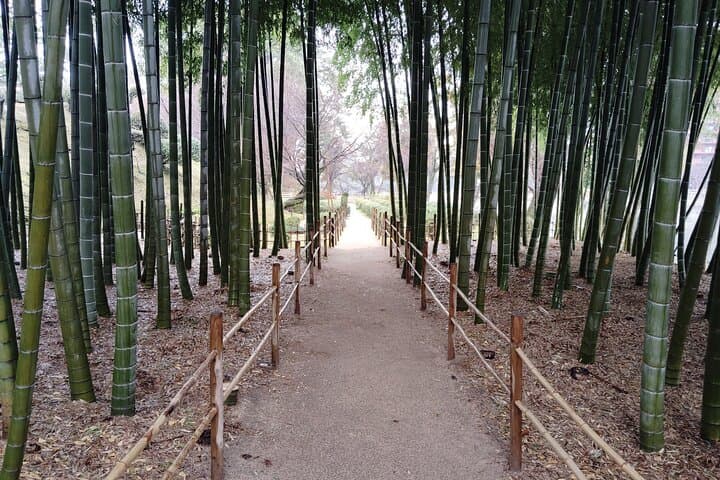
In practical terms, the 90-minute guided tour covers roughly one to two kilometers of easy walking on compact paths with occasional steps. Wear comfortable shoes, bring a light jacket for breezy pondside conditions, and plan mornings or late afternoons for softer light and fewer crowds. Public transit drops you nearby; admission is typically separate from the guide fee. Keep a respectful distance from planted beds, and allow time at the tea house to absorb the quiet—this is a small, concentrated landscape that rewards slow moving observation.
easy.
1–1.5 hours.
Suitable for most visitors who can manage light walking and short steps; moderate mobility recommended.
The tour runs about 90 minutes and covers roughly 1–2 kilometers of easy walking through the garden.
This product’s inclusions list the garden entrance fee as included with the guide service—confirm at booking and bring your ticket confirmation.
Parts of Shukkei-en have compact paths and low steps; some routes may be difficult for wheelchairs—contact the operator for specific accessibility accommodations.
Yes, photography for personal use is generally permitted; avoid tripods during busy periods and respect any signage.
Created in the early 18th century as a daimyo garden, Shukkei-en reflects Edo-period landscape design and was restored after suffering damage in 1945.
Stay on paths, avoid feeding wildlife, and support preservation efforts—local groups maintain the garden’s historic plantings and water features.
DeepExperience operates guided outdoor trips and adventures with an emphasis on safety, stewardship, and memorable experiences.
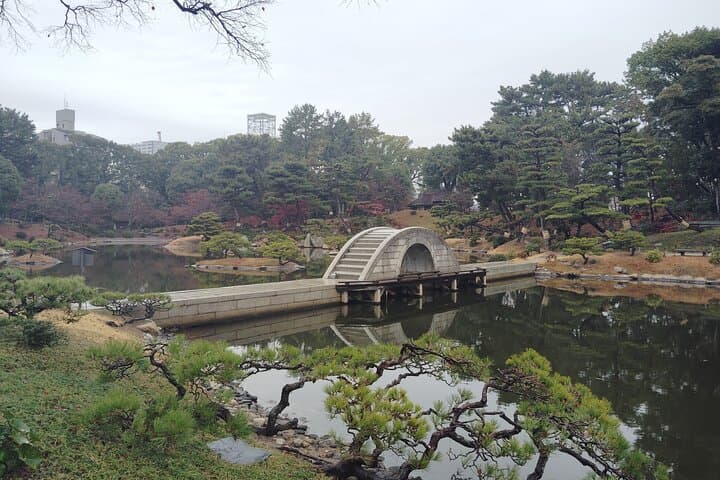
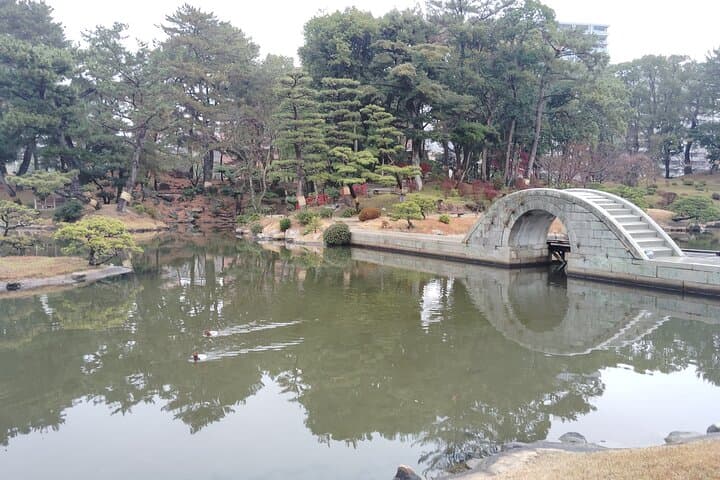
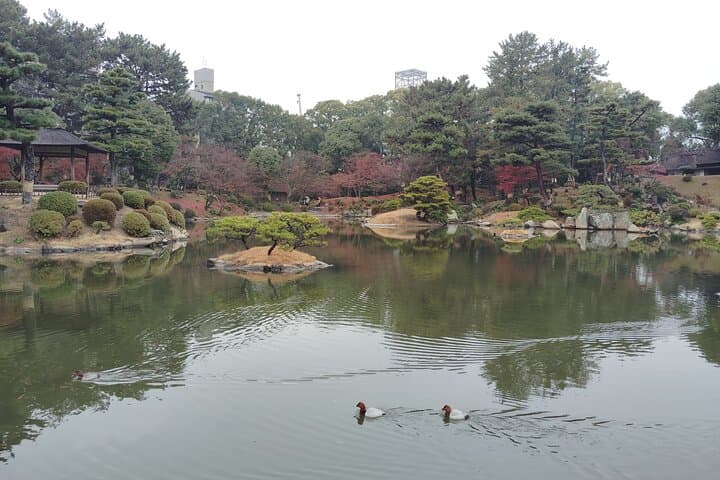
You step through a low gate and the city’s bustle slips behind you—pines lean toward a central pond that seems to hold a calm all its own. Footsteps soften on gravel as a local guide points out a curved stone bridge and a low wooden stage built for moon viewing; the pond answers with koi that cut through reflections like stirred ink.
You step through a low gate and the city’s bustle slips behind you—pines lean toward a central pond that seems to hold a calm all its own. Footsteps soften on gravel as a local guide points out a curved stone bridge and a low wooden stage built for moon viewing; the pond answers with koi that cut through reflections like stirred ink.
Shukkei-en was laid out about 300 years ago as a daimyo garden that compresses distant landscapes into a single, walkable composition. Its islands, tea houses, and engineered slopes mimic mountains and valleys; stone lanterns and white gravel mark human intent in a garden that practices restraint. The site suffered damage during the 1945 bombing and was later restored—its survival now part of Hiroshima’s layered history.
Geology plays a quiet role: river-sourced sediments gave the garden its pond and fertile soil, while intentionally placed stones evoke rocky outcrops. Culturally, the garden reflects Edo-period aesthetics and later civic efforts to preserve green space in a dense urban core.
In practical terms, the 90-minute guided tour covers roughly one to two kilometers of easy walking on compact paths with occasional steps. Wear comfortable shoes, bring a light jacket for breezy pondside conditions, and plan mornings or late afternoons for softer light and fewer crowds. Public transit drops you nearby; admission is typically separate from the guide fee. Keep a respectful distance from planted beds, and allow time at the tea house to absorb the quiet—this is a small, concentrated landscape that rewards slow moving observation.