THE ADVENTURE COLLECTIVE® · Independent discovery and booking for outdoor travel

Walk the narrow lanes of Ejipura with a Swabhimaan volunteer to see grassroots education, a low-cost clinic, and local food distribution. This 1.5–2 hour community-led tour pairs urban observation with direct support for neighborhood programs.
Walk the narrow lanes of Ejipura with a Swabhimaan volunteer to see grassroots education, a low-cost clinic, and local food distribution. This 1.5–2 hour community-led tour pairs urban observation with direct support for neighborhood programs.
The walk begins where traffic thins into narrow lanes and the city’s hum drops to a human scale: children playing cricket in a dusty square, vendors calling out over the sizzle of street snacks, and alleys that fold into courtyards where life is loudly ordinary. A Swabhimaan volunteer leads the group, pointing out murals, community notice boards, and the pulse of daily routines that keep the neighbourhood moving.
Verified experiences and guided adventures in the surrounding area.
Operated by Bengaluru Lights · Bengaluru, Karnataka
The walk begins where traffic thins into narrow lanes and the city’s hum drops to a human scale: children playing cricket in a dusty square, vendors calling out over the sizzle of street snacks, and alleys that fold into courtyards where life is loudly ordinary. A Swabhimaan volunteer leads the group, pointing out murals, community notice boards, and the pulse of daily routines that keep the neighbourhood moving.
Ejipura grew rapidly during waves of urban migration, transforming farmland into a dense patchwork of makeshift homes and small businesses. The geology beneath is typical Deccan Plateau—red soils and shallow rock—so drainage and infrastructure have long been stress points in the area. Culturally, Ejipura is defined by resilience: grassroots education initiatives, a low-cost clinic, and food-distribution networks that sustain families. The Swabhimaan Trust has worked here since 2002, channeling visitor fees directly into programs for children and health services.
Expect a 1.5–2 hour, low‑impact walk on uneven pavements and compacted dirt; there are frequent stops at community sites and opportunities to speak with teachers, clinic staff, and volunteers. Photography is usually acceptable but ask permission first—this tour emphasizes dignity and consent. Practical advice: bring a refillable water bottle, wear closed-toe shoes, and plan for shade—midday heat can be intense. Public transport is nearby, and group sizes are small, which preserves the neighborhood’s rhythm.
This is not a sightseeing safari; it’s a guided, ethical encounter that pairs urban observation with tangible community support. Leave curiosity, respect, and cash or small donations for the programs you visit.
easy.
1.5–2 hours.
Suitable for most fitness levels; requires walking on flat to uneven urban surfaces for up to two hours.
Yes—families are welcome; children should be supervised and briefed on respectful behavior.
Yes—the tour is run by Swabhimaan volunteers and proceeds support local education, health, and food programs.
Photography is permitted but always ask permission before photographing individuals; interviews require consent from participants and organizers.
Ejipura is accessible by local buses and auto-rickshaws from central Bengaluru; your booking confirmation typically includes meeting-point details.
Ejipura expanded during late 20th‑century urban migration to Bengaluru; informal settlements filled gaps as the city industrialized and housing demand surged.
Tours emphasize low-impact visitation and consent; proceeds fund community services and the group encourages waste reduction and respectful behavior in neighborhoods.
Bengaluru Lights operates guided outdoor trips and adventures with an emphasis on safety, stewardship, and memorable experiences.
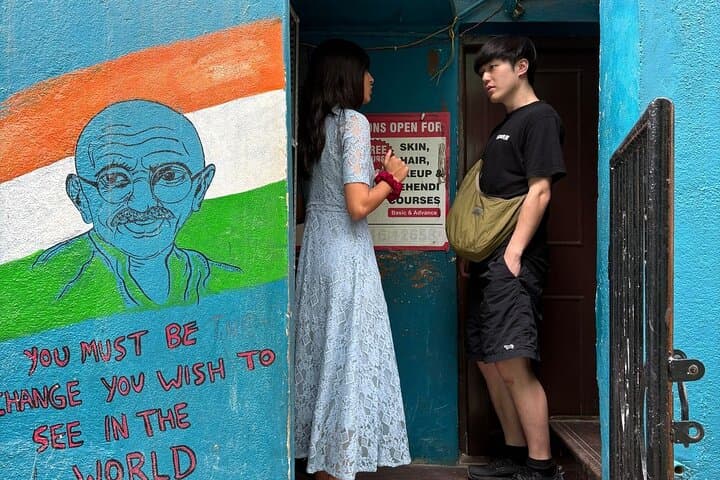
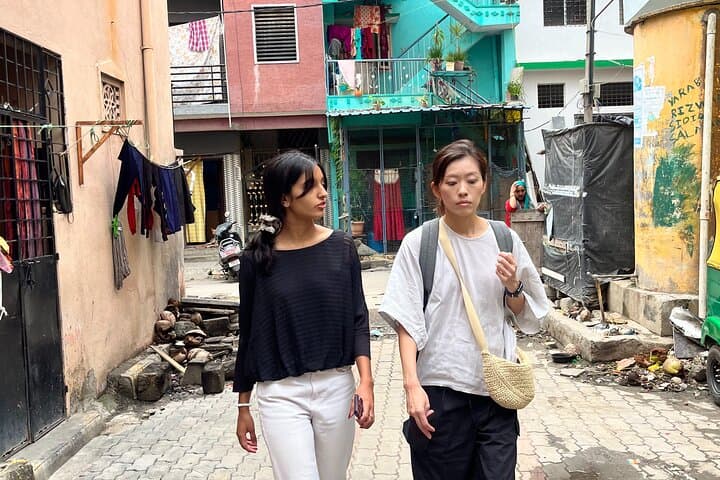
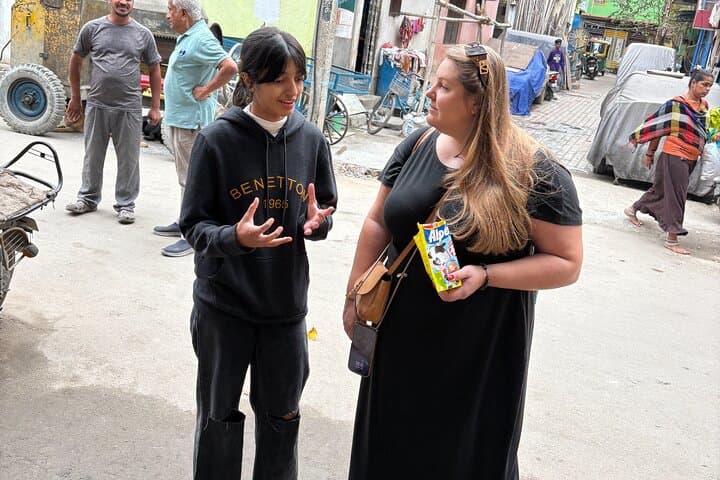
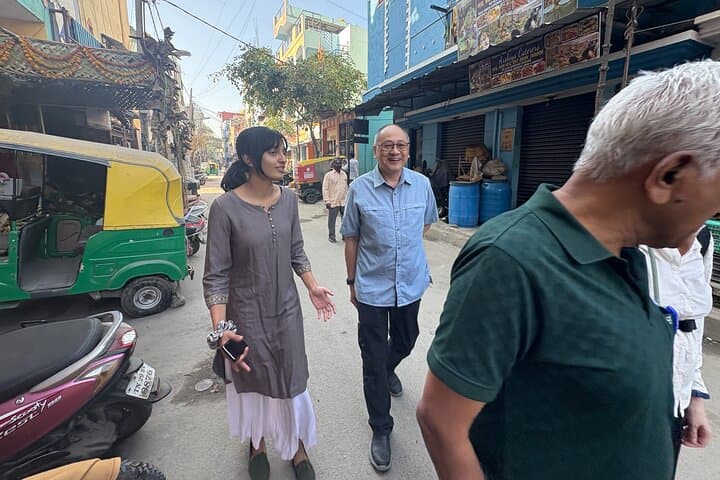
The walk begins where traffic thins into narrow lanes and the city’s hum drops to a human scale: children playing cricket in a dusty square, vendors calling out over the sizzle of street snacks, and alleys that fold into courtyards where life is loudly ordinary. A Swabhimaan volunteer leads the group, pointing out murals, community notice boards, and the pulse of daily routines that keep the neighbourhood moving.
The walk begins where traffic thins into narrow lanes and the city’s hum drops to a human scale: children playing cricket in a dusty square, vendors calling out over the sizzle of street snacks, and alleys that fold into courtyards where life is loudly ordinary. A Swabhimaan volunteer leads the group, pointing out murals, community notice boards, and the pulse of daily routines that keep the neighbourhood moving.
Ejipura grew rapidly during waves of urban migration, transforming farmland into a dense patchwork of makeshift homes and small businesses. The geology beneath is typical Deccan Plateau—red soils and shallow rock—so drainage and infrastructure have long been stress points in the area. Culturally, Ejipura is defined by resilience: grassroots education initiatives, a low-cost clinic, and food-distribution networks that sustain families. The Swabhimaan Trust has worked here since 2002, channeling visitor fees directly into programs for children and health services.
Expect a 1.5–2 hour, low‑impact walk on uneven pavements and compacted dirt; there are frequent stops at community sites and opportunities to speak with teachers, clinic staff, and volunteers. Photography is usually acceptable but ask permission first—this tour emphasizes dignity and consent. Practical advice: bring a refillable water bottle, wear closed-toe shoes, and plan for shade—midday heat can be intense. Public transport is nearby, and group sizes are small, which preserves the neighborhood’s rhythm.
This is not a sightseeing safari; it’s a guided, ethical encounter that pairs urban observation with tangible community support. Leave curiosity, respect, and cash or small donations for the programs you visit.