THE ADVENTURE COLLECTIVE® · Independent discovery and booking for outdoor travel

Spend a half day chasing wakasagi (smelt) on a guided trip from Sapporo. Heated tents, an experienced guide, and fresh tempura made from your catch make this an accessible introduction to Hokkaido winter fishing.
Spend a half day chasing wakasagi (smelt) on a guided trip from Sapporo. Heated tents, an experienced guide, and fresh tempura made from your catch make this an accessible introduction to Hokkaido winter fishing.
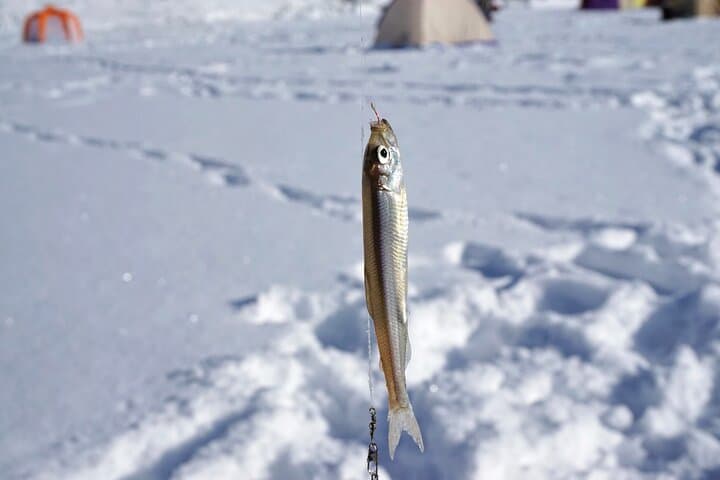
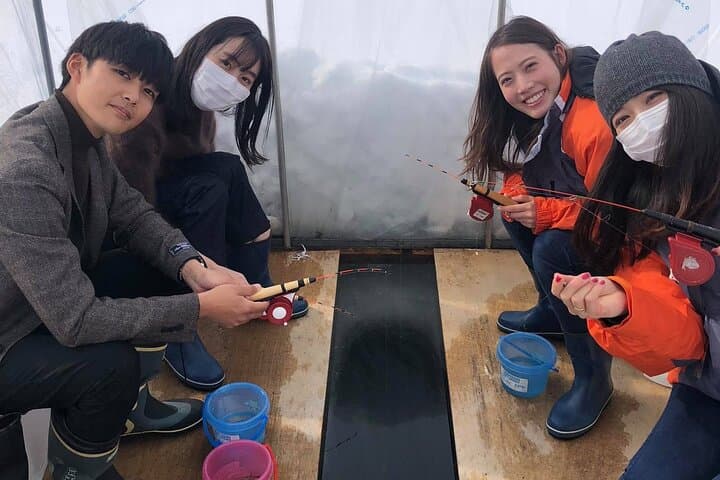
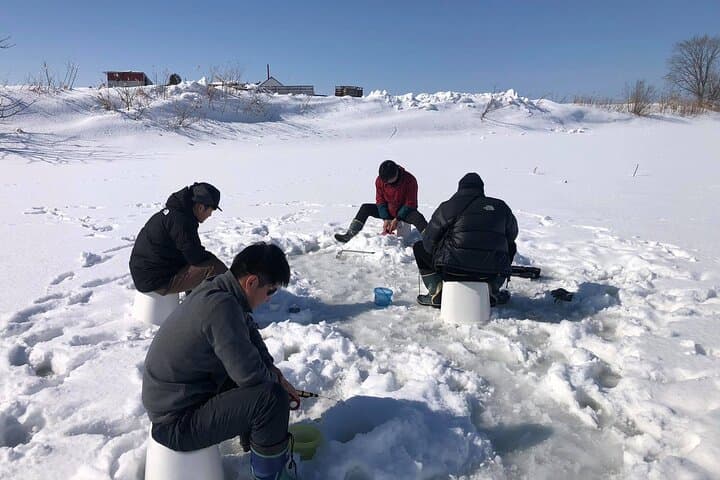
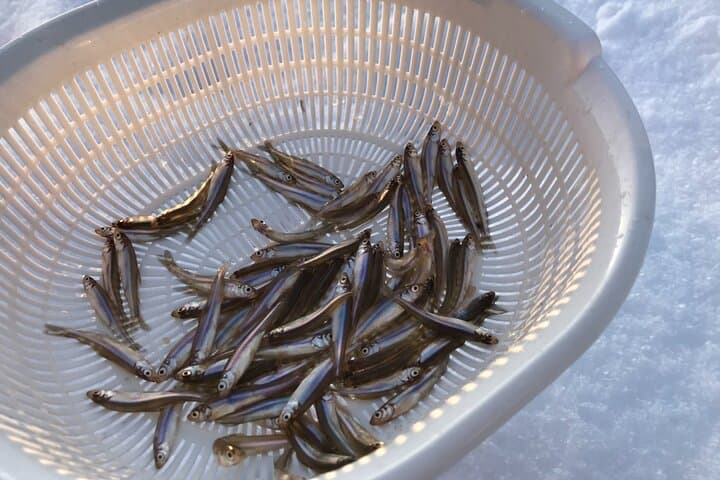
A low canvas tent glows against the white of a Hokkaido morning as steam from a portable stove draws a thin halo. You step inside and the cold recedes; a shallow hole in the ice and a jigging line are all that stand between you and the translucent silver of wakasagi, the smelt that defines Hokkaido winter. The guide’s quiet directions and the rhythm of the rod turn a simple act of fishing into a focused, social ritual.
Verified experiences and guided adventures in the surrounding area.
Operated by Go Hokkaido · Shinshinotsu, Hokkaido
A low canvas tent glows against the white of a Hokkaido morning as steam from a portable stove draws a thin halo. You step inside and the cold recedes; a shallow hole in the ice and a jigging line are all that stand between you and the translucent silver of wakasagi, the smelt that defines Hokkaido winter. The guide’s quiet directions and the rhythm of the rod turn a simple act of fishing into a focused, social ritual.
Wakasagi fishing has been a regional winter tradition for decades, born from lake fisheries and rural villages that timed seasons around ice. The plain around Shinshinotsu sits on glacially smoothed terrain with low rolling hills and wetlands that funnel birds and fish into predictable winter concentrations. Local hospitality shows up in small ways: fresh tempura made from your catch, a bowl of jingisukan udon, and a sample of nearby sake that traces flavor to Hokkaido grain and snow-melt water.
Practically speaking, expect about a 60-minute drive from central Sapporo, two to three hours of sheltered, seated ice fishing inside heated tents, and a guide who provides rods, bait, winter boots, and instruction. Dress in layered, windproof clothing and use insulated footwear; hand warmers and a camera are worthwhile. The operator runs morning and afternoon sessions; tours may cancel for severe weather. If you want a compact, social introduction to Hokkaido’s winter culture that ends with hot tempura, this half-day outing delivers a high-value, low-impact outdoor experience.
easy.
3–4 hours.
Suitable for most fitness levels; requires ability to sit for extended periods and step on/off a vehicle.
The tour runs about four hours total: roughly 60 minutes each way from central Sapporo and about two hours fishing inside the tent.
Yes—guides supply a full set of fishing gear, bait, winter boots, and heated shelter; you only need appropriate clothing.
No; the operator cannot handle food allergies, so guests with allergies should inform staff when booking and avoid the tasting portion.
The tour may be canceled for severe weather; you can receive a full refund if you cancel at least 24 hours prior under the operator’s policy.
Wakasagi ice fishing evolved from local freshwater fisheries and became a communal winter pastime in Hokkaido, blending subsistence and seasonal celebration.
Operators emphasize low-impact harvesting and follow local limits; visitors should pack out waste, avoid disturbing bird concentrations, and follow guide instructions to protect ice-edge habitats.
Go Hokkaido operates guided outdoor trips and adventures with an emphasis on safety, stewardship, and memorable experiences.
A low canvas tent glows against the white of a Hokkaido morning as steam from a portable stove draws a thin halo. You step inside and the cold recedes; a shallow hole in the ice and a jigging line are all that stand between you and the translucent silver of wakasagi, the smelt that defines Hokkaido winter. The guide’s quiet directions and the rhythm of the rod turn a simple act of fishing into a focused, social ritual.
A low canvas tent glows against the white of a Hokkaido morning as steam from a portable stove draws a thin halo. You step inside and the cold recedes; a shallow hole in the ice and a jigging line are all that stand between you and the translucent silver of wakasagi, the smelt that defines Hokkaido winter. The guide’s quiet directions and the rhythm of the rod turn a simple act of fishing into a focused, social ritual.
Wakasagi fishing has been a regional winter tradition for decades, born from lake fisheries and rural villages that timed seasons around ice. The plain around Shinshinotsu sits on glacially smoothed terrain with low rolling hills and wetlands that funnel birds and fish into predictable winter concentrations. Local hospitality shows up in small ways: fresh tempura made from your catch, a bowl of jingisukan udon, and a sample of nearby sake that traces flavor to Hokkaido grain and snow-melt water.
Practically speaking, expect about a 60-minute drive from central Sapporo, two to three hours of sheltered, seated ice fishing inside heated tents, and a guide who provides rods, bait, winter boots, and instruction. Dress in layered, windproof clothing and use insulated footwear; hand warmers and a camera are worthwhile. The operator runs morning and afternoon sessions; tours may cancel for severe weather. If you want a compact, social introduction to Hokkaido’s winter culture that ends with hot tempura, this half-day outing delivers a high-value, low-impact outdoor experience.