THE ADVENTURE COLLECTIVE® · Independent discovery and booking for outdoor travel

Walk the Zimbabwe side of Victoria Falls with a guide who points out the Boiling Point, the Big Tree, and rainforest viewpoints. This compact, small-group tour combines geology, local history, and hands-on tips for navigating spray-drenched paths.
Walk the Zimbabwe side of Victoria Falls with a guide who points out the Boiling Point, the Big Tree, and rainforest viewpoints. This compact, small-group tour combines geology, local history, and hands-on tips for navigating spray-drenched paths.
You arrive at the rim of the Zambezi and the river announces itself: a thunder that pushes mist into your face and a spray that dares your camera to stay dry. On the Zimbabwe side, the path threads through a living rainforest, sudden clearings giving way to plunging curtains of water and viewpoints set like stage lights for the falls.
Verified experiences and guided adventures in the surrounding area.
Operated by Mr B · Victoria Falls, Matabeleland North
You arrive at the rim of the Zambezi and the river announces itself: a thunder that pushes mist into your face and a spray that dares your camera to stay dry. On the Zimbabwe side, the path threads through a living rainforest, sudden clearings giving way to plunging curtains of water and viewpoints set like stage lights for the falls.
This guided tour moves through both the well-known and the intimate: the Boiling Point viewpoint where the river collapses into the gorge, the ancient Big Tree whose trunk reads decades of flood and sun, and a walk through rainforest alive with birdsong. Geologically, Victoria Falls is the scarp edge of basalt flows carved by the Zambezi; the falls’ segmented lip and churning plunge pools reflect that violent, ongoing erosion.
Culturally, the falls are Mosi-oa-Tunya — "The Smoke That Thunders" — a site long revered by local communities and later named by David Livingstone in 1855. Small-group guiding on this route emphasizes interpretation: you’ll learn about local ecology, water management, and how park fees support conservation.
Practicalities are straightforward. Expect 2–3 hours on mostly well-formed paths with slippery sections; moderate fitness helps for stairs and uneven rock. The tour supplies bottled water; bring a waterproof shell, closed-toe shoes, and a dry bag for electronics. Time visits for lower spray if visibility matters, or lean into the wet season if you want maximum flow and rainforest mist. Respect marked paths and give wildlife space — vervet monkeys and birdlife are curious but untamed companions.
moderate.
2–3 hours.
Suitable for travelers with moderate fitness able to walk uneven paths and climb stairs; not suitable for extended hiking.
Not always—many operators exclude national park entry fees. Confirm with the operator before arrival and bring cash or a card to pay the Zimbabwe Parks & Wildlife Authority fee if required.
Some viewpoints and paths on the Zimbabwe side are wheelchair and stroller accessible, but expect uneven sections and steps at certain overlooks; check specifics with your provider.
Dry season (late August–December) generally offers clearer views with less spray; wet season (February–May) brings the highest flows and dramatic mist but can reduce visibility at some points.
Yes—expect riverine birdlife, vervet monkeys, and occasionally larger mammals near the river; keep distance and avoid feeding animals to minimize disturbance.
David Livingstone recorded the falls in 1855 and the indigenous Tonga name Mosi-oa-Tunya (The Smoke That Thunders) reflects the falls’ cultural importance.
Visitor fees and regulated paths fund park management; staying on designated trails and avoiding single-use plastics helps reduce impact on the fragile rainforest.
Mr B operates guided outdoor trips and adventures with an emphasis on safety, stewardship, and memorable experiences.
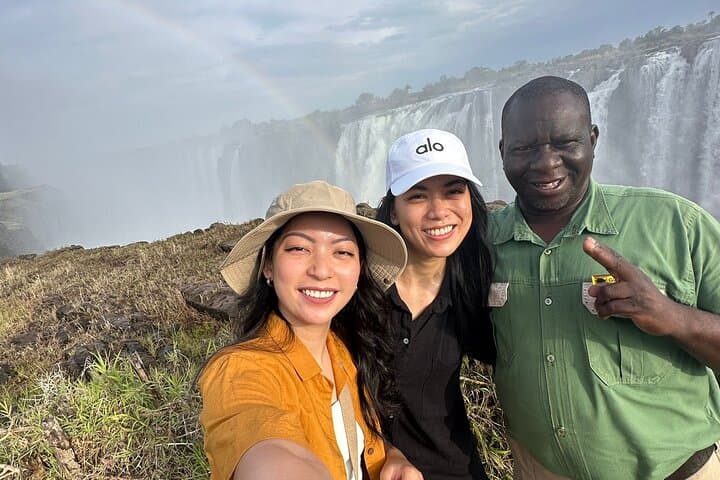
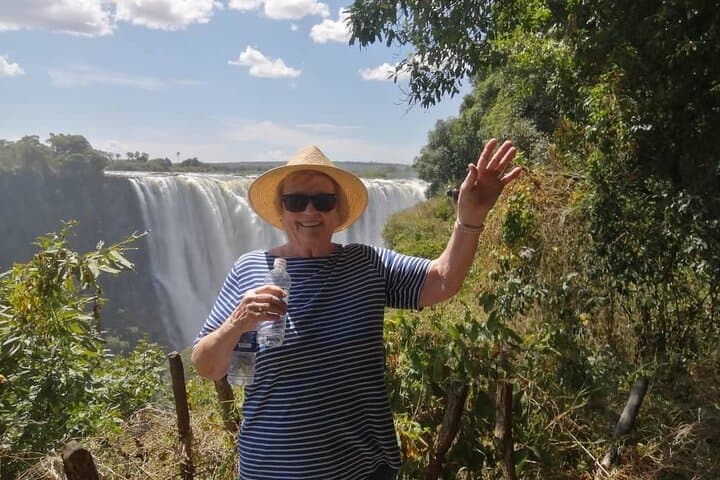
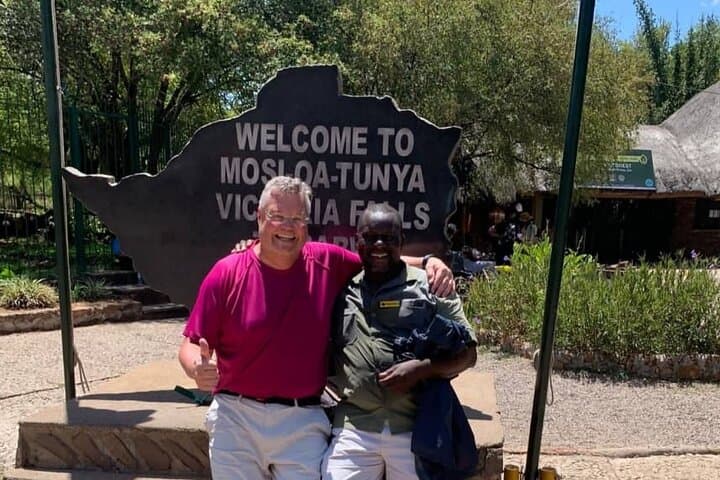
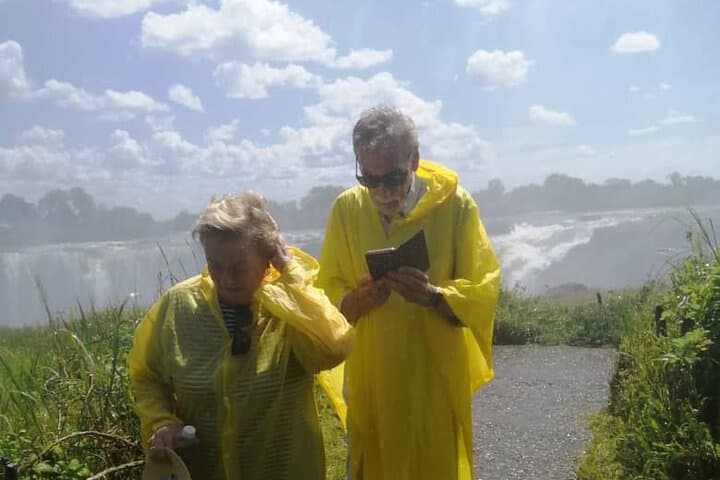
You arrive at the rim of the Zambezi and the river announces itself: a thunder that pushes mist into your face and a spray that dares your camera to stay dry. On the Zimbabwe side, the path threads through a living rainforest, sudden clearings giving way to plunging curtains of water and viewpoints set like stage lights for the falls.
You arrive at the rim of the Zambezi and the river announces itself: a thunder that pushes mist into your face and a spray that dares your camera to stay dry. On the Zimbabwe side, the path threads through a living rainforest, sudden clearings giving way to plunging curtains of water and viewpoints set like stage lights for the falls.
This guided tour moves through both the well-known and the intimate: the Boiling Point viewpoint where the river collapses into the gorge, the ancient Big Tree whose trunk reads decades of flood and sun, and a walk through rainforest alive with birdsong. Geologically, Victoria Falls is the scarp edge of basalt flows carved by the Zambezi; the falls’ segmented lip and churning plunge pools reflect that violent, ongoing erosion.
Culturally, the falls are Mosi-oa-Tunya — "The Smoke That Thunders" — a site long revered by local communities and later named by David Livingstone in 1855. Small-group guiding on this route emphasizes interpretation: you’ll learn about local ecology, water management, and how park fees support conservation.
Practicalities are straightforward. Expect 2–3 hours on mostly well-formed paths with slippery sections; moderate fitness helps for stairs and uneven rock. The tour supplies bottled water; bring a waterproof shell, closed-toe shoes, and a dry bag for electronics. Time visits for lower spray if visibility matters, or lean into the wet season if you want maximum flow and rainforest mist. Respect marked paths and give wildlife space — vervet monkeys and birdlife are curious but untamed companions.