THE ADVENTURE COLLECTIVE® · Independent discovery and booking for outdoor travel

Stand inches from the world’s greatest curtain of water on a guided two‑hour walk through the spray‑fed rainforest. Learn the geology, local history and best vantage points while practical tips prepare you for the wet, slippery viewpoints.
Stand inches from the world’s greatest curtain of water on a guided two‑hour walk through the spray‑fed rainforest. Learn the geology, local history and best vantage points while practical tips prepare you for the wet, slippery viewpoints.
You step from dusky path into a wall of spray and sound — the falls announce themselves before you see them, mist daring you closer as the gorge answers with thunder. The guided, two-hour walk threads established viewpoints through the small rainforest fed by constant spray; birds flash between ferns and the air tastes of wet stone and river.
Verified experiences and guided adventures in the surrounding area.
Operated by Willch Travel And Tours · Livingstone, Southern Province
You step from dusky path into a wall of spray and sound — the falls announce themselves before you see them, mist daring you closer as the gorge answers with thunder. The guided, two-hour walk threads established viewpoints through the small rainforest fed by constant spray; birds flash between ferns and the air tastes of wet stone and river.
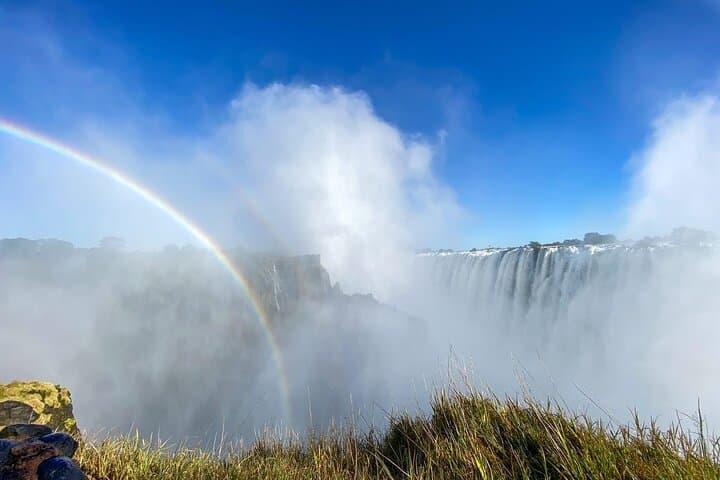
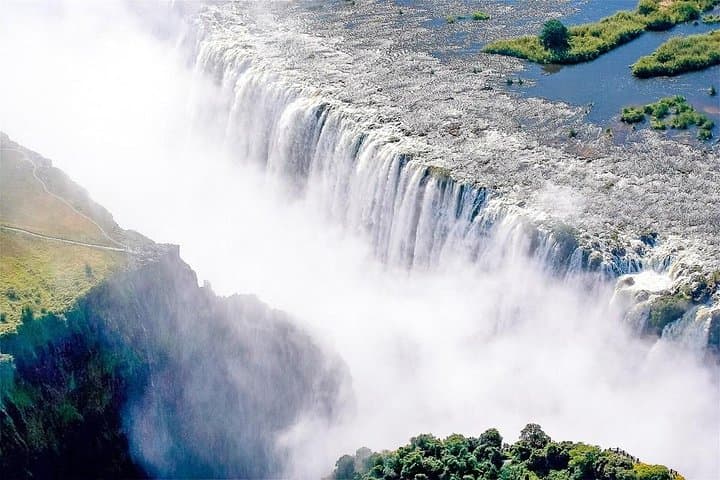
Called Mosi-oa-Tunya, “The Smoke that Thunders,” by the Kololo people and later christened Victoria Falls by David Livingstone in 1855, this stretch of the Zambezi drops more than 100 meters over nearly two kilometers of basalt lip. The geology is raw: a cracked basalt plateau that gives way to carved gorges where currents push forward then surrender to gravity. Columns of spray can be visible for miles in high flow.
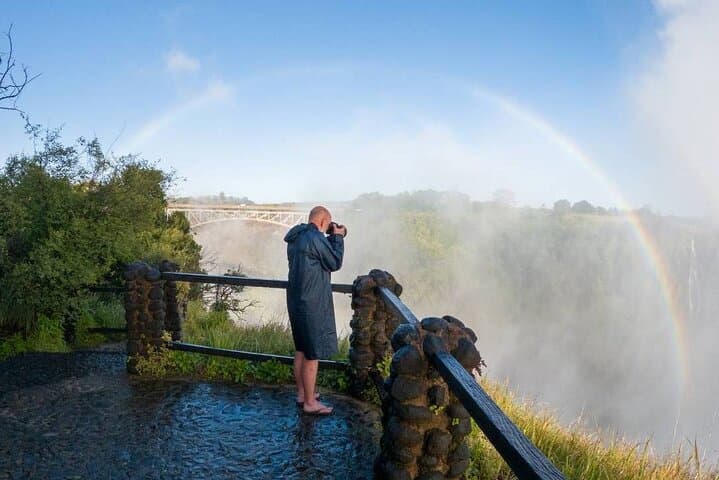
The tour covers the main viewpoints on the Zambian side, moving through the spray-created rainforest and stopping at lookout points where the curtain of water, the Horsehoe Falls and the distant Victoria Falls Bridge frame different angles. Guides point out plant and birdlife, explain the falls’ formation, and offer cultural notes about local riverside communities.
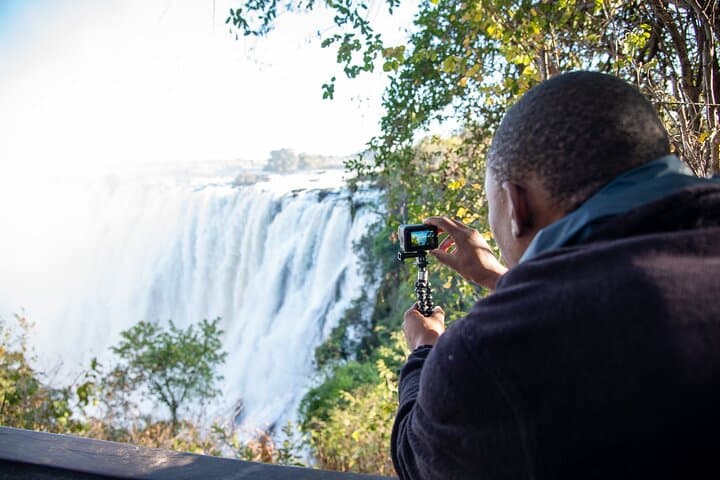
Practical notes: the route is paved in parts but includes wet, slippery steps and narrow viewpoints — not recommended for spinal-injury sufferers. Peak spectacle is April–August when the falls are at full flood; visibility is clearer in the drier months. Wear a waterproof layer and grippy shoes, protect cameras with a waterproof case, and carry your passport if you plan to cross borders or visit Livingstone Island (separate permit). Expect two hours on a guided loop, lots of spray, and unforgettable sound and force.
easy.
2 hours.
Suitable for most fitness levels but requires short walks on wet, uneven paths and steps.
The guided tour runs about two hours and covers the main viewpoints on the Zambian side, with stops for photos and interpretation.
For maximum volume and spray see April–August; for clearer visibility and better photography, the drier months (Sept–Nov) are preferable.
Much of the route includes steps and uneven, wet surfaces; it is not fully wheelchair accessible and is not recommended for travelers with significant mobility or spinal issues.
Bring a passport if you plan to cross the border to Zimbabwe or join optional excursions like Livingstone Island — visa rules depend on nationality, so check requirements in advance.
David Livingstone documented the falls in 1855; local Kololo people long called it Mosi-oa-Tunya. The site has cultural significance to riverside communities and colonial-era exploration history.
The spray rainforest is fragile and trails are maintained to limit erosion; park fees support habitat protection — stay on paths and avoid disturbing vegetation.
Willch Travel And Tours operates guided outdoor trips and adventures with an emphasis on safety, stewardship, and memorable experiences.
You step from dusky path into a wall of spray and sound — the falls announce themselves before you see them, mist daring you closer as the gorge answers with thunder. The guided, two-hour walk threads established viewpoints through the small rainforest fed by constant spray; birds flash between ferns and the air tastes of wet stone and river.
You step from dusky path into a wall of spray and sound — the falls announce themselves before you see them, mist daring you closer as the gorge answers with thunder. The guided, two-hour walk threads established viewpoints through the small rainforest fed by constant spray; birds flash between ferns and the air tastes of wet stone and river.
Called Mosi-oa-Tunya, “The Smoke that Thunders,” by the Kololo people and later christened Victoria Falls by David Livingstone in 1855, this stretch of the Zambezi drops more than 100 meters over nearly two kilometers of basalt lip. The geology is raw: a cracked basalt plateau that gives way to carved gorges where currents push forward then surrender to gravity. Columns of spray can be visible for miles in high flow.
The tour covers the main viewpoints on the Zambian side, moving through the spray-created rainforest and stopping at lookout points where the curtain of water, the Horsehoe Falls and the distant Victoria Falls Bridge frame different angles. Guides point out plant and birdlife, explain the falls’ formation, and offer cultural notes about local riverside communities.
Practical notes: the route is paved in parts but includes wet, slippery steps and narrow viewpoints — not recommended for spinal-injury sufferers. Peak spectacle is April–August when the falls are at full flood; visibility is clearer in the drier months. Wear a waterproof layer and grippy shoes, protect cameras with a waterproof case, and carry your passport if you plan to cross borders or visit Livingstone Island (separate permit). Expect two hours on a guided loop, lots of spray, and unforgettable sound and force.