THE ADVENTURE COLLECTIVE® · Independent discovery and booking for outdoor travel

Spend a full day hunting truffles in Istria’s oak forests with a trained dog, taste truffle specialties and walk through Hum. This guided trip combines fieldwork, local flavors and a short cultural stroll.
Spend a full day hunting truffles in Istria’s oak forests with a trained dog, taste truffle specialties and walk through Hum. This guided trip combines fieldwork, local flavors and a short cultural stroll.
You leave Zagreb before dawn and trade city pavements for a road that slides into the oak-and-hornbeam hills of central Istria. By midmorning the air smells of leaf mold and warm earth; a trained dog noses through duff with a singular purpose while the handler watches for the telltale scrape of soil.
Verified experiences and guided adventures in the surrounding area.
Operated by Natural Croatia (Zemlja-Voda-Zrak) · Motovun, Istria County
You leave Zagreb before dawn and trade city pavements for a road that slides into the oak-and-hornbeam hills of central Istria. By midmorning the air smells of leaf mold and warm earth; a trained dog noses through duff with a singular purpose while the handler watches for the telltale scrape of soil.
Truffle hunting here is both practical and cultural. Istria’s karst soils and mixed oak forests create a patchwork of microhabitats where expensive subterranean fungi thrive. The region has a centuries-long relationship with truffles — local kitchens elevated them long before tourists arrived — and towns like Hum and Motovun grew on hilltops above the truffle woods.
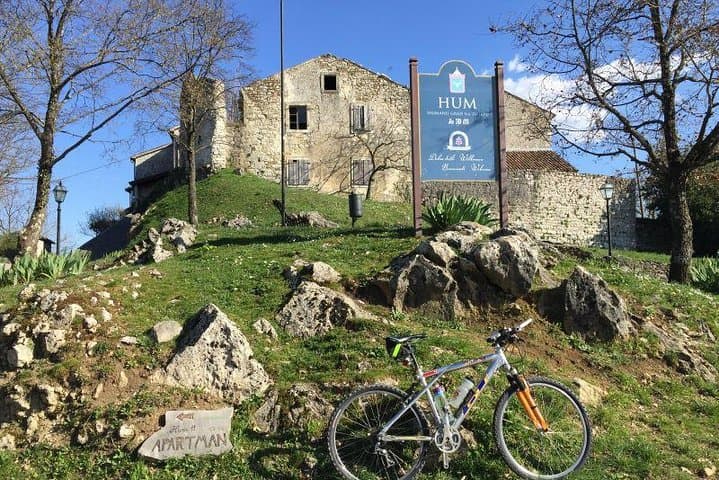
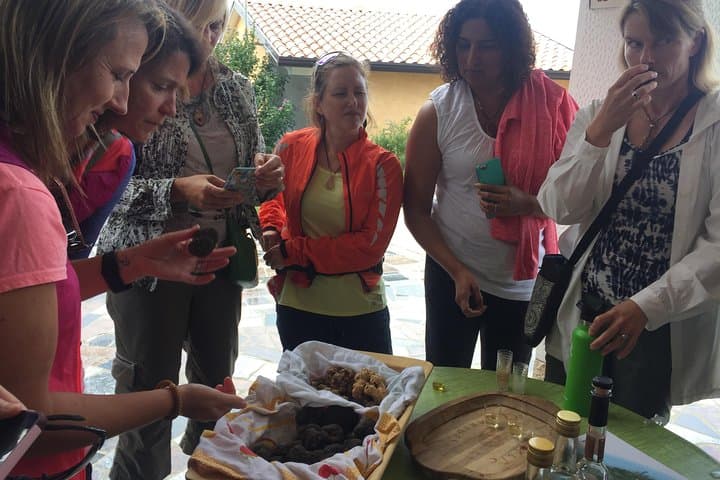
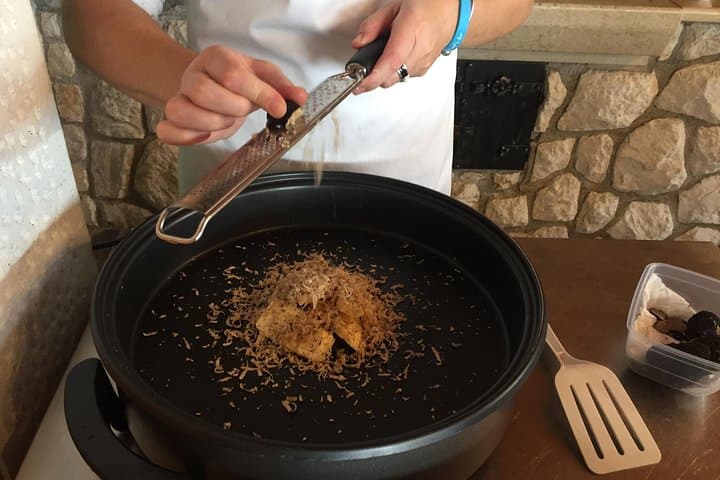
The tour combines fieldwork and tasting: you’ll learn how dogs find truffles, sample truffle-infused local fare and wine, then stroll the Glagolitic Alley and through Hum, officially one of the world’s smallest towns. The geology — porous limestone and pockets of richer loam — explains the suddenness of a find; one step can reveal hours of searching.
Practical notes: the day runs about ten hours with hotel pickup in Zagreb. Wear sturdy, closed-toe shoes and expect muddy conditions in wet months. Bring a small backpack, water, and a camera; follow the guide’s instructions around dogs and fragile habitat. If you plan to buy truffles to take home, refrigerate promptly and know customs rules for fresh fungi. With patience and a sense of curiosity, the hunt is as much about rhythm — the dog’s pull, the handler’s call, the slow reveal — as it is about the prize underfoot.
easy.
10 hours.
Suitable for most fitness levels; requires standing and short walks on uneven ground
No — tours are guided and suitable for all fitness levels; handlers teach the basics on site.
Finds depend on season, weather and wooded locations; guides maximize chances but cannot guarantee a find.
Yes, but check your country’s customs rules for agricultural products and refrigerate them promptly after purchase.
Most operators welcome children but ask about age at booking; note the day is long and involves field walking.
Istria’s truffle traditions trace back centuries; small hill towns like Motovun and Hum long traded forest products and built local cuisines around fungi.
Responsible harvesting and trained dogs reduce damage to root systems; buy truffles from reputable locals to support sustainable collection.
Natural Croatia (Zemlja-Voda-Zrak) operates guided outdoor trips and adventures with an emphasis on safety, stewardship, and memorable experiences.
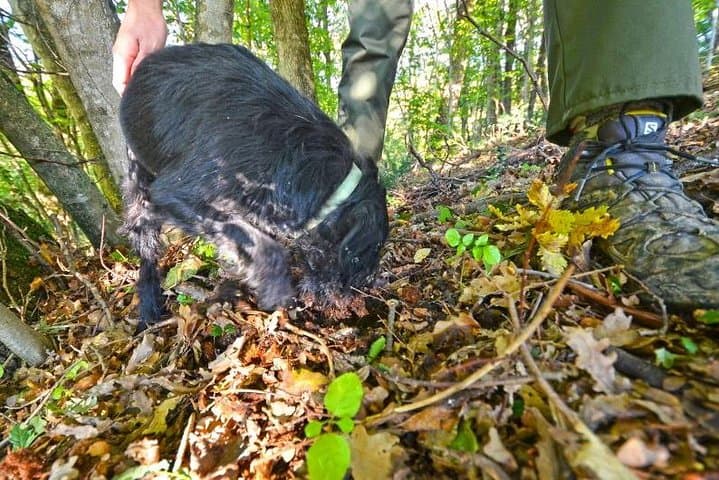
You leave Zagreb before dawn and trade city pavements for a road that slides into the oak-and-hornbeam hills of central Istria. By midmorning the air smells of leaf mold and warm earth; a trained dog noses through duff with a singular purpose while the handler watches for the telltale scrape of soil.
You leave Zagreb before dawn and trade city pavements for a road that slides into the oak-and-hornbeam hills of central Istria. By midmorning the air smells of leaf mold and warm earth; a trained dog noses through duff with a singular purpose while the handler watches for the telltale scrape of soil.
Truffle hunting here is both practical and cultural. Istria’s karst soils and mixed oak forests create a patchwork of microhabitats where expensive subterranean fungi thrive. The region has a centuries-long relationship with truffles — local kitchens elevated them long before tourists arrived — and towns like Hum and Motovun grew on hilltops above the truffle woods.
The tour combines fieldwork and tasting: you’ll learn how dogs find truffles, sample truffle-infused local fare and wine, then stroll the Glagolitic Alley and through Hum, officially one of the world’s smallest towns. The geology — porous limestone and pockets of richer loam — explains the suddenness of a find; one step can reveal hours of searching.
Practical notes: the day runs about ten hours with hotel pickup in Zagreb. Wear sturdy, closed-toe shoes and expect muddy conditions in wet months. Bring a small backpack, water, and a camera; follow the guide’s instructions around dogs and fragile habitat. If you plan to buy truffles to take home, refrigerate promptly and know customs rules for fresh fungi. With patience and a sense of curiosity, the hunt is as much about rhythm — the dog’s pull, the handler’s call, the slow reveal — as it is about the prize underfoot.