THE ADVENTURE COLLECTIVE® · Independent discovery and booking for outdoor travel

A multi-day guided itinerary that moves from Accra to the Volta highlands, Cape Coast and Kakum, pairing rainforest hikes and canopy walks with cultural stops in Kumasi and coastal communities. Expect short hikes, canoe trips, colonial forts and vivid cultural demonstrations.
A multi-day guided itinerary that moves from Accra to the Volta highlands, Cape Coast and Kakum, pairing rainforest hikes and canopy walks with cultural stops in Kumasi and coastal communities. Expect short hikes, canoe trips, colonial forts and vivid cultural demonstrations.
You step off an air-conditioned van into a humid Accra morning and the city’s pulse immediately presses against your palms — vendors calling, taxi horns, coconut vendors moving like clockwork. Within hours the landscape changes: undulating greens of the Akuapim and Volta highlands, the rainforest hush approaching Kakum, and the Atlantic pounding the beaches of Cape Coast.
Verified experiences and guided adventures in the surrounding area.
Operated by Akua Vera Etornam. · Accra, Greater Accra Region
You step off an air-conditioned van into a humid Accra morning and the city’s pulse immediately presses against your palms — vendors calling, taxi horns, coconut vendors moving like clockwork. Within hours the landscape changes: undulating greens of the Akuapim and Volta highlands, the rainforest hush approaching Kakum, and the Atlantic pounding the beaches of Cape Coast.
This multi-day guided tour threads contemporary Ghana with deep historical layers: colonial forts and the Cape Coast Castle that document the trans-Atlantic slave trade; Ashanti palaces in Kumasi that speak to the kingdom’s political history; and coastal estuaries where fishing communities still practice time-honored crafts. Geologically, the route crosses coastal plains, lateritic soils and the verdant foothills of the Eastern Region, where waterfalls like Wli slice through primary forest. Culture is lived — kente looms in Bonwire, bead workshops in Krobo, and stilt villages like Nzulezo showing a water-adapted way of life.
Practicalities matter. Expect mostly easy walking with a handful of short hikes (Wli Falls ~45 minutes each way; Dodowa ~20 minutes). Kakum’s canopy walkway is a 350 m suspended route across seven tree crowns — not recommended for severe vertigo. Bring insect repellent, sun protection, a reusable water bottle, and small cash in Ghanaian cedi for markets and tips. Local guides handle logistics, but carry copies of travel documents and a modest daypack for hikes. Time your trip outside the main rainy windows for firmer tracks and clearer boat crossings.
On this tour, nature nudges you — forest trails press forward, the Volta estuary opens wide — while history and living culture keep pace, always within reach.
moderate.
Approximately 10 days.
Suitable for travelers in average fitness — short hikes, occasional stairs and moderate walking up to 2 hours in sections.
Check routine vaccinations and consult travel health advice for yellow fever (certificate may be required), malaria prevention, and any recommended boosters before travel.
Most days involve easy cultural walks and short hikes; a few sections include 20–45 minute forest walks and canopy crossings that require basic mobility.
The tour operator offers flexible, tailor-made itineraries to suit group interests and ability levels — request changes at booking.
Guides commonly speak English and local languages; operators often provide multilingual guides on request for larger groups.
The route links coastal forts that were central to the trans-Atlantic slave trade with inland Ashanti palaces reflecting Ghana’s pre-colonial kingdom structures.
Sites such as Kakum are protected reserves; travelers are encouraged to follow marked trails, avoid single-use plastics and support community-run craft projects.
Akua Vera Etornam. operates guided outdoor trips and adventures with an emphasis on safety, stewardship, and memorable experiences.

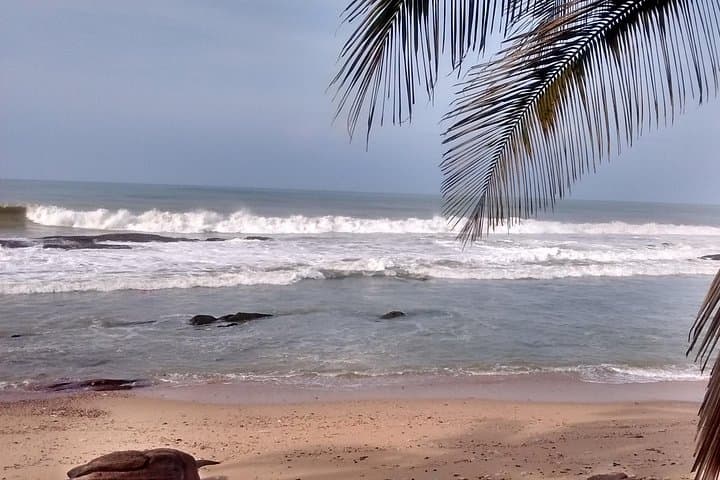


You step off an air-conditioned van into a humid Accra morning and the city’s pulse immediately presses against your palms — vendors calling, taxi horns, coconut vendors moving like clockwork. Within hours the landscape changes: undulating greens of the Akuapim and Volta highlands, the rainforest hush approaching Kakum, and the Atlantic pounding the beaches of Cape Coast.
You step off an air-conditioned van into a humid Accra morning and the city’s pulse immediately presses against your palms — vendors calling, taxi horns, coconut vendors moving like clockwork. Within hours the landscape changes: undulating greens of the Akuapim and Volta highlands, the rainforest hush approaching Kakum, and the Atlantic pounding the beaches of Cape Coast.
This multi-day guided tour threads contemporary Ghana with deep historical layers: colonial forts and the Cape Coast Castle that document the trans-Atlantic slave trade; Ashanti palaces in Kumasi that speak to the kingdom’s political history; and coastal estuaries where fishing communities still practice time-honored crafts. Geologically, the route crosses coastal plains, lateritic soils and the verdant foothills of the Eastern Region, where waterfalls like Wli slice through primary forest. Culture is lived — kente looms in Bonwire, bead workshops in Krobo, and stilt villages like Nzulezo showing a water-adapted way of life.
Practicalities matter. Expect mostly easy walking with a handful of short hikes (Wli Falls ~45 minutes each way; Dodowa ~20 minutes). Kakum’s canopy walkway is a 350 m suspended route across seven tree crowns — not recommended for severe vertigo. Bring insect repellent, sun protection, a reusable water bottle, and small cash in Ghanaian cedi for markets and tips. Local guides handle logistics, but carry copies of travel documents and a modest daypack for hikes. Time your trip outside the main rainy windows for firmer tracks and clearer boat crossings.
On this tour, nature nudges you — forest trails press forward, the Volta estuary opens wide — while history and living culture keep pace, always within reach.