THE ADVENTURE COLLECTIVE® · Independent discovery and booking for outdoor travel

Step into the spray on a 3‑hour guided walk through the Victoria Falls rainforest. Learn the geology and local history, photograph multiple viewpoints and finish with a stop at the Big Tree.
Step into the spray on a 3‑hour guided walk through the Victoria Falls rainforest. Learn the geology and local history, photograph multiple viewpoints and finish with a stop at the Big Tree.
The first step into the Victoria Falls rainforest is a shock of wet air and thunder: spray pushes across the path and leaves glisten under a constant, fine mist. Walkways thread between palms and fig trees as successive viewpoints peel back the falls in stages, from the thunder of the Main Falls to the narrow, roaring cataracts that drop into the basalt gorge below.
Verified experiences and guided adventures in the surrounding area.
Operated by Victoria Falls Canoeing Company · Victoria Falls, Matabeleland North
The first step into the Victoria Falls rainforest is a shock of wet air and thunder: spray pushes across the path and leaves glisten under a constant, fine mist. Walkways thread between palms and fig trees as successive viewpoints peel back the falls in stages, from the thunder of the Main Falls to the narrow, roaring cataracts that drop into the basalt gorge below.
Geologically, this is the Zambezi River cutting through hard basalt, creating the 108‑metre drop where Mosi‑oa‑Tunya — “The Smoke That Thunders” — makes its mark. Historically the place drew explorers like David Livingstone in the 19th century; before that local Lozi and Tonga communities held rituals here tied to the river. Culture and geology sit literally side by side on the rim, where interpretive signs explain how the river shifts seasonally and how channels cut the gorge.
On a guided 3‑hour walk you’ll stop at several formal viewpoints that are spaced to manage access and preserve fragile ground. Expect wet shoes, a lot of photographic opportunities, and a guided explanation of how the falls formed and how people used them across time. The route usually ends with a short drive back past the Big Tree: an easy photo stop under a canopy older than the nearby town.
Practical: bring a waterproof layer and a case for electronics, wear grippy footwear for wet stone and steps, and go early or late in the day to avoid larger tour crowds and the strongest spray. Guides often include bottled water; park fees apply and are used for conservation and trail maintenance.
easy.
3 hours.
Suitable for most fitness levels; involves steady walking on paved paths and stairs for up to 2–3 km overall
Yes — the rainforest paths put you very close to the falls’ spray; a waterproof layer and protected electronics are recommended.
Some viewing platforms are wheelchair accessible, but routes with steps are not; check with the operator about specific accessibility options.
Admission is not included by default for many bookings — confirm at booking and have cash or card ready for local park fees if required.
It’s an easy walk with short distances between viewpoints, though there are stairs and uneven surfaces; no technical skills required.
Named Mosi‑oa‑Tunya by local peoples and later Victoria Falls by David Livingstone in 1855, the site has long cultural significance for local Tonga and Lozi communities.
The rainforest is a fragile spray‑dependent microhabitat; stay on paths, pack out waste, and support park fees which fund trail maintenance and conservation.
Victoria Falls Canoeing Company operates guided outdoor trips and adventures with an emphasis on safety, stewardship, and memorable experiences.
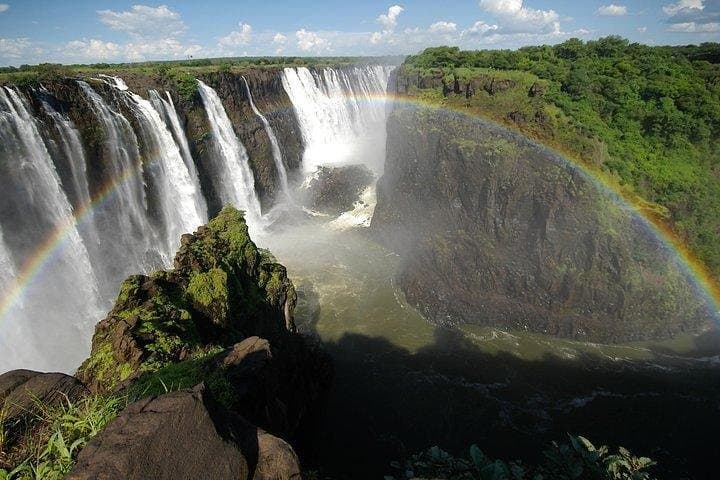
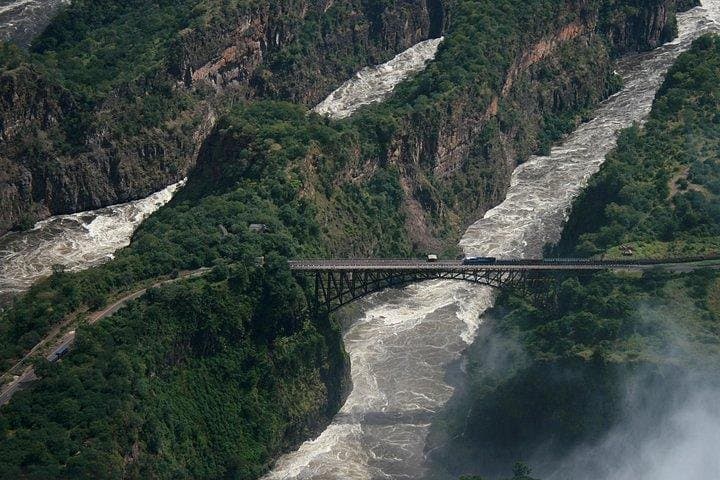
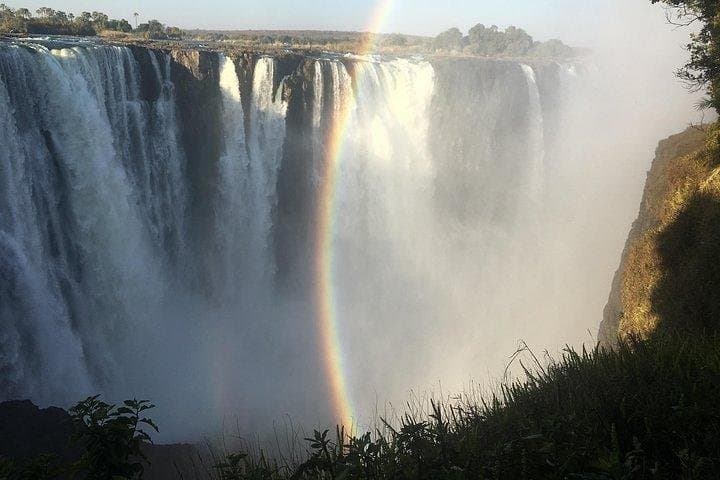
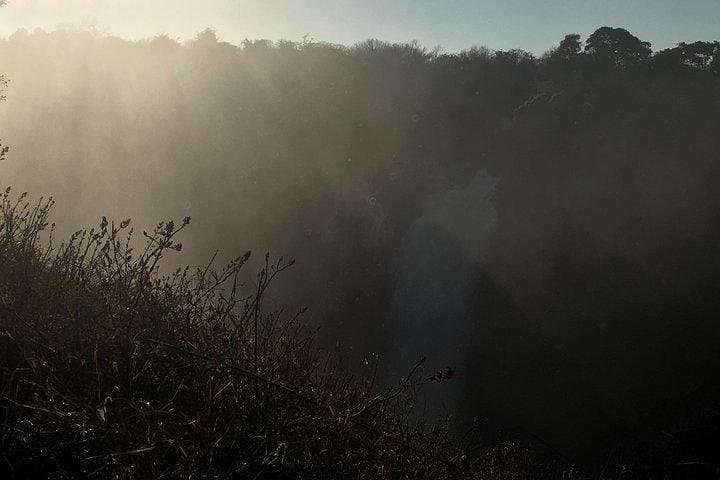
The first step into the Victoria Falls rainforest is a shock of wet air and thunder: spray pushes across the path and leaves glisten under a constant, fine mist. Walkways thread between palms and fig trees as successive viewpoints peel back the falls in stages, from the thunder of the Main Falls to the narrow, roaring cataracts that drop into the basalt gorge below.
The first step into the Victoria Falls rainforest is a shock of wet air and thunder: spray pushes across the path and leaves glisten under a constant, fine mist. Walkways thread between palms and fig trees as successive viewpoints peel back the falls in stages, from the thunder of the Main Falls to the narrow, roaring cataracts that drop into the basalt gorge below.
Geologically, this is the Zambezi River cutting through hard basalt, creating the 108‑metre drop where Mosi‑oa‑Tunya — “The Smoke That Thunders” — makes its mark. Historically the place drew explorers like David Livingstone in the 19th century; before that local Lozi and Tonga communities held rituals here tied to the river. Culture and geology sit literally side by side on the rim, where interpretive signs explain how the river shifts seasonally and how channels cut the gorge.
On a guided 3‑hour walk you’ll stop at several formal viewpoints that are spaced to manage access and preserve fragile ground. Expect wet shoes, a lot of photographic opportunities, and a guided explanation of how the falls formed and how people used them across time. The route usually ends with a short drive back past the Big Tree: an easy photo stop under a canopy older than the nearby town.
Practical: bring a waterproof layer and a case for electronics, wear grippy footwear for wet stone and steps, and go early or late in the day to avoid larger tour crowds and the strongest spray. Guides often include bottled water; park fees apply and are used for conservation and trail maintenance.