THE ADVENTURE COLLECTIVE® · Independent discovery and booking for outdoor travel

A half-day to full-day guided visit to Lokobe Reserve on Nosy Be where guided forest walks, pirogue crossings and a Malagasy beach lunch combine to showcase endemic lemurs, chameleons and ancient forest species. Practical for most fitness levels.
A half-day to full-day guided visit to Lokobe Reserve on Nosy Be where guided forest walks, pirogue crossings and a Malagasy beach lunch combine to showcase endemic lemurs, chameleons and ancient forest species. Practical for most fitness levels.
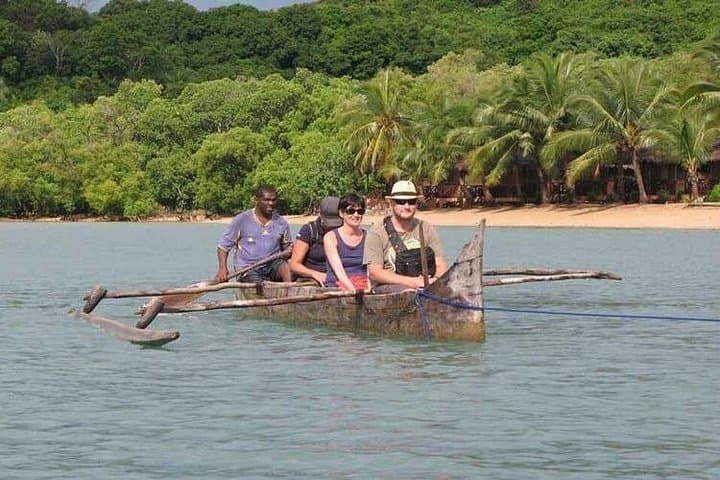
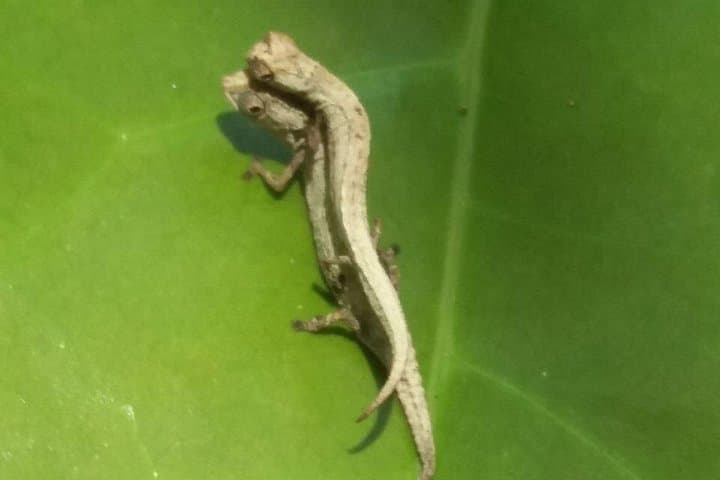
The path opens under heavy foliage; humid air presses gently against the skin and the forest answers with clicks and chittering. On Nosy Be’s southeastern shore, a short pirogue ride delivers visitors to Lokobe, one of Madagascar’s last tracts of primary lowland forest. Guides move deliberately, pointing out a chameleon locked on a branch or the quick dart of a black lemur as sunlight slices the canopy.
Verified experiences and guided adventures in the surrounding area.
Operated by Julien gasy guy · Andoany (Hell-Ville), Diana
The path opens under heavy foliage; humid air presses gently against the skin and the forest answers with clicks and chittering. On Nosy Be’s southeastern shore, a short pirogue ride delivers visitors to Lokobe, one of Madagascar’s last tracts of primary lowland forest. Guides move deliberately, pointing out a chameleon locked on a branch or the quick dart of a black lemur as sunlight slices the canopy.
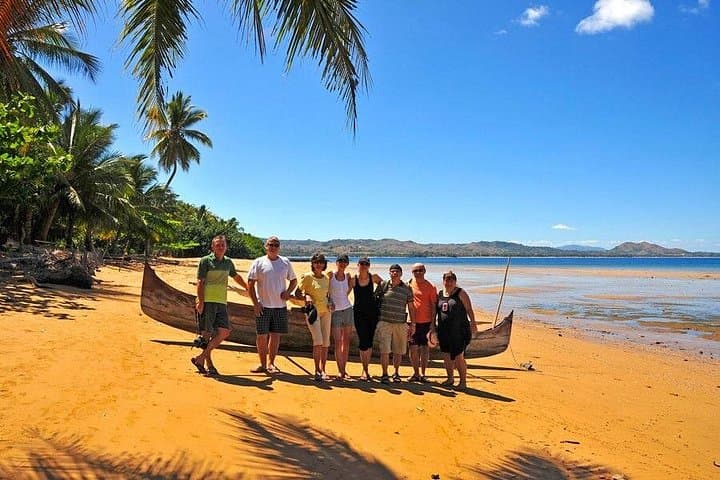
Lokobe’s soils are volcanic-origin lowlands shaped by ancient eruptions and coastal deposition; the result is a compact mosaic of dense understory and tall, long-lived trees that local healers have used for generations. Cultural ties to the reserve remain strong: nearby fishing villages like Ampasipohy supply pirogues and host the midday meal, blending marine livelihood with forest stewardship.
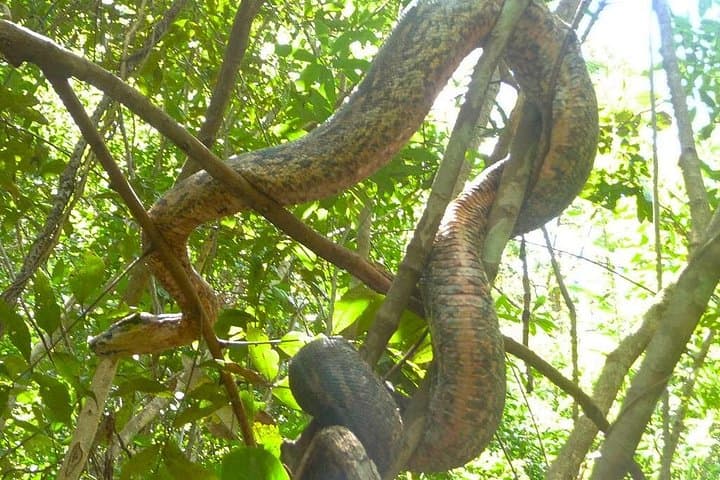
Expect 1–2 hours of guided walking on uneven, often muddy trails among endemic palms, medicinal plants and reptiles. Wildlife encounters are up-close rather than distant: nocturnal and diurnal lemur species, leaf-tailed geckos and colorful insects share tight habitat niches that guides know intimately.
Practical notes: arrive in sturdy, closed-toe shoes and carry at least 1–2 liters of water; insect repellent and a lightweight rain jacket are wise choices year-round. Photography without flash preserves animal behavior; maintain distance from wildlife and follow guide instructions. The tour typically includes private transport, a pirogue crossing, park access and a coastal Malagasy lunch, with roughly 6–7 hours door-to-door. For travelers seeking a concentrated, low-effort nature experience steeped in island ecology and local life, Lokobe delivers direct encounters and clear conservation context.
easy.
6–7 hours.
Suitable for most travelers in average health; requires short periods of walking on uneven ground and boarding a small pirogue.
The forest portion is typically about 60–90 minutes of active walking, part of a full 6–7 hour private tour that includes transfers and a beach lunch.
Yes; the standard tour price includes reserve access fees and a typical Malagasy lunch served back at the fishing village beach.
Guides are experienced at locating common species like black lemurs and dwarf lemurs, but wildlife sightings cannot be guaranteed—animals are wild and mobile.
The tour is rated easy but involves boat boarding and uneven trails; infants must sit on laps and passengers with significant mobility issues may find some parts difficult.
Lokobe is one of the few remaining primary lowland forests on Nosy Be and has long been a resource for traditional medicine and local cultural practices.
The reserve is actively protected to conserve endemic species and relies on controlled visitor access and local guides to limit impact; follow leave-no-trace practices and support community-based services.
Julien gasy guy operates guided outdoor trips and adventures with an emphasis on safety, stewardship, and memorable experiences.
The path opens under heavy foliage; humid air presses gently against the skin and the forest answers with clicks and chittering. On Nosy Be’s southeastern shore, a short pirogue ride delivers visitors to Lokobe, one of Madagascar’s last tracts of primary lowland forest. Guides move deliberately, pointing out a chameleon locked on a branch or the quick dart of a black lemur as sunlight slices the canopy.
The path opens under heavy foliage; humid air presses gently against the skin and the forest answers with clicks and chittering. On Nosy Be’s southeastern shore, a short pirogue ride delivers visitors to Lokobe, one of Madagascar’s last tracts of primary lowland forest. Guides move deliberately, pointing out a chameleon locked on a branch or the quick dart of a black lemur as sunlight slices the canopy.
Lokobe’s soils are volcanic-origin lowlands shaped by ancient eruptions and coastal deposition; the result is a compact mosaic of dense understory and tall, long-lived trees that local healers have used for generations. Cultural ties to the reserve remain strong: nearby fishing villages like Ampasipohy supply pirogues and host the midday meal, blending marine livelihood with forest stewardship.
Expect 1–2 hours of guided walking on uneven, often muddy trails among endemic palms, medicinal plants and reptiles. Wildlife encounters are up-close rather than distant: nocturnal and diurnal lemur species, leaf-tailed geckos and colorful insects share tight habitat niches that guides know intimately.
Practical notes: arrive in sturdy, closed-toe shoes and carry at least 1–2 liters of water; insect repellent and a lightweight rain jacket are wise choices year-round. Photography without flash preserves animal behavior; maintain distance from wildlife and follow guide instructions. The tour typically includes private transport, a pirogue crossing, park access and a coastal Malagasy lunch, with roughly 6–7 hours door-to-door. For travelers seeking a concentrated, low-effort nature experience steeped in island ecology and local life, Lokobe delivers direct encounters and clear conservation context.