THE ADVENTURE COLLECTIVE® · Independent discovery and booking for outdoor travel

Stand inches from one of the world’s largest sheets of falling water on this three-hour guided walk of Victoria Falls’ Boiling Point, rainforest and Knife-Edge Bridge. Expect thunderous spray, interpretive stops and accessible viewpoints on Zambia’s side of the falls.
Stand inches from one of the world’s largest sheets of falling water on this three-hour guided walk of Victoria Falls’ Boiling Point, rainforest and Knife-Edge Bridge. Expect thunderous spray, interpretive stops and accessible viewpoints on Zambia’s side of the falls.
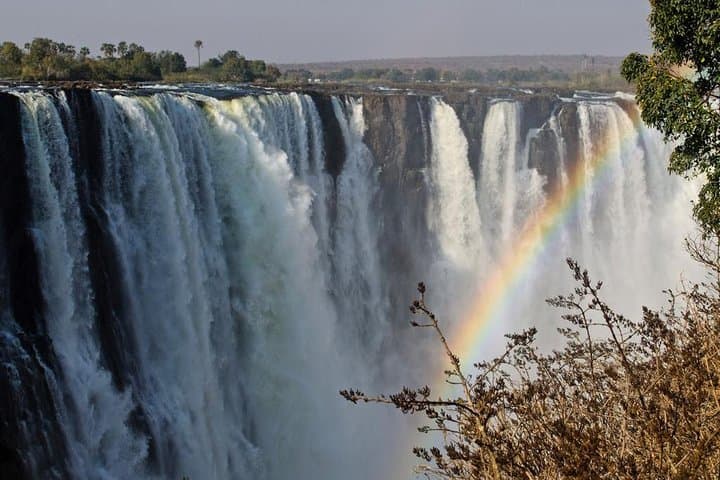
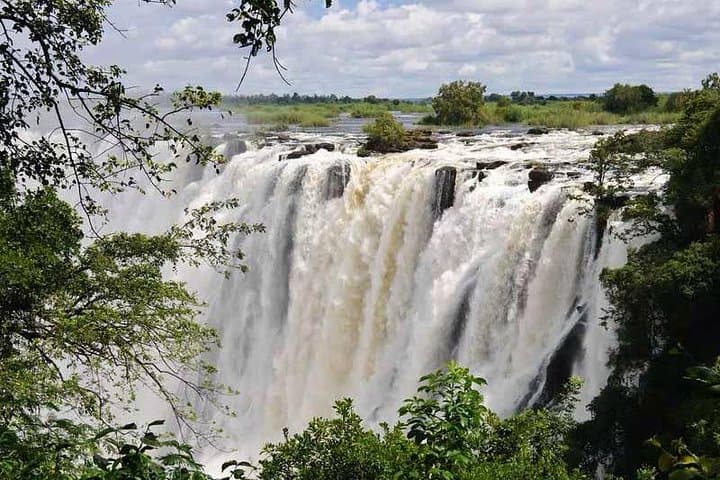
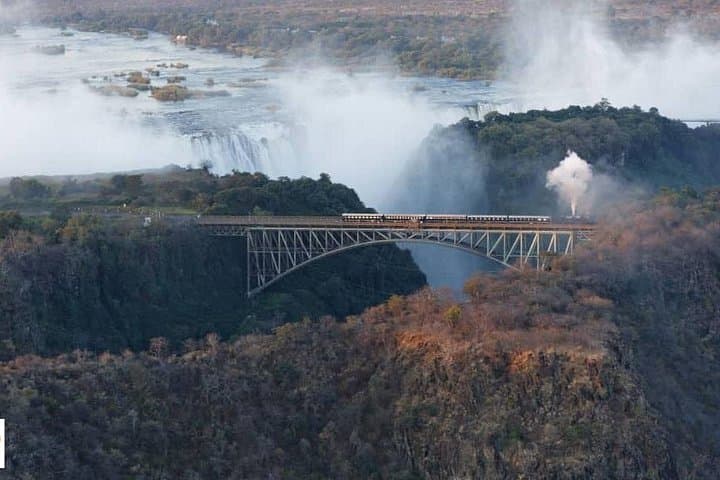
A curtain of spray mutes the world and then clears: Victoria Falls on the Zambian side hits with a physical presence — mist that stings your cheeks, thunder that vibrates underfoot, and a river that dares you to stand closer. The guided three-hour circuit threads paved viewpoints, the Boiling Point lookout and the narrow Knife-Edge Bridge, with stops inside the rainforest where the path becomes slick and green.
Verified experiences and guided adventures in the surrounding area.
Operated by Brian S Travel and Tours · Livingstone, Southern Province
A curtain of spray mutes the world and then clears: Victoria Falls on the Zambian side hits with a physical presence — mist that stings your cheeks, thunder that vibrates underfoot, and a river that dares you to stand closer. The guided three-hour circuit threads paved viewpoints, the Boiling Point lookout and the narrow Knife-Edge Bridge, with stops inside the rainforest where the path becomes slick and green.
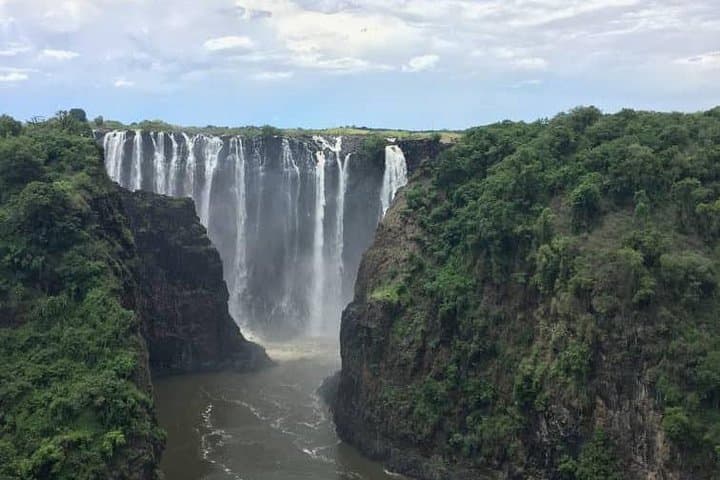
Geologically, the falls mark the Zambezi’s escape from a basalt plateau into a series of deep gorges carved over millennia; the result is abrupt, vertical drops and separated cataracts that change with seasonal flow. Culturally the site is Mosi-oa-Tunya — “The Smoke That Thunders” — a place of local significance and a milestone for explorers after David Livingstone reported it to the western world in 1855.
On the Zambia side the experience is close and sensory: expect spray-washed viewpoints, interpretive signage, and guides who explain hydrology, local history and the ecology of the rainforest strip. The route is suitable for most abilities and is wheelchair-accessible at key points, but surfaces can be wet and uneven.
Practical: arrive with a waterproof layer, secure camera protection, and sturdy shoes; mornings and late afternoons offer softer light and smaller crowds. Hydrate, accept the bottled water and snacks provided, and budget time to let the spray dry before returning to vehicles. Follow park rules, respect ropes and viewpoints, and keep a safe distance from wildlife.
easy.
3 hours.
Suitable for most fitness levels; includes short walks on paved and uneven surfaces
This guided tour includes admission to the Falls on the Zambian side as part of the booking.
Key viewpoints and paths on the Zambia side are wheelchair-accessible, but some rainforest paths and outlooks have steps or uneven ground.
The tour provider lists it as not recommended for pregnant travelers due to slippery surfaces and close edges.
Early morning or late afternoon provides softer light and fewer visitors; mid-day has stronger spray and harsher shadows.
The falls are locally known as Mosi-oa-Tunya and were popularized in European records after David Livingstone’s visit in 1855, becoming a focal point of regional travel ever since.
Victoria Falls and surrounding parks rely on regulated access and fees to fund conservation; stay on paths, take litter with you, and follow guide instructions to minimize impact.
Brian S Travel and Tours operates guided outdoor trips and adventures with an emphasis on safety, stewardship, and memorable experiences.
A curtain of spray mutes the world and then clears: Victoria Falls on the Zambian side hits with a physical presence — mist that stings your cheeks, thunder that vibrates underfoot, and a river that dares you to stand closer. The guided three-hour circuit threads paved viewpoints, the Boiling Point lookout and the narrow Knife-Edge Bridge, with stops inside the rainforest where the path becomes slick and green.
A curtain of spray mutes the world and then clears: Victoria Falls on the Zambian side hits with a physical presence — mist that stings your cheeks, thunder that vibrates underfoot, and a river that dares you to stand closer. The guided three-hour circuit threads paved viewpoints, the Boiling Point lookout and the narrow Knife-Edge Bridge, with stops inside the rainforest where the path becomes slick and green.
Geologically, the falls mark the Zambezi’s escape from a basalt plateau into a series of deep gorges carved over millennia; the result is abrupt, vertical drops and separated cataracts that change with seasonal flow. Culturally the site is Mosi-oa-Tunya — “The Smoke That Thunders” — a place of local significance and a milestone for explorers after David Livingstone reported it to the western world in 1855.
On the Zambia side the experience is close and sensory: expect spray-washed viewpoints, interpretive signage, and guides who explain hydrology, local history and the ecology of the rainforest strip. The route is suitable for most abilities and is wheelchair-accessible at key points, but surfaces can be wet and uneven.
Practical: arrive with a waterproof layer, secure camera protection, and sturdy shoes; mornings and late afternoons offer softer light and smaller crowds. Hydrate, accept the bottled water and snacks provided, and budget time to let the spray dry before returning to vehicles. Follow park rules, respect ropes and viewpoints, and keep a safe distance from wildlife.