THE ADVENTURE COLLECTIVE® · Independent discovery and booking for outdoor travel

Move from the fragile 1903 Wright Flyer to Apollo-era command modules with a knowledgeable guide on this semi-private 2.5‑hour tour of the Smithsonian National Air and Space Museum. Learn engineering milestones, astronaut stories, and what’s on view now — without the bustle of a large group.
Move from the fragile 1903 Wright Flyer to Apollo-era command modules with a knowledgeable guide on this semi-private 2.5‑hour tour of the Smithsonian National Air and Space Museum. Learn engineering milestones, astronaut stories, and what’s on view now — without the bustle of a large group.
A low murmur hangs beneath the vaulted hangar-like galleries as a small group follows a guide from the lawn-facing entrance of the National Air and Space Museum. Light catches on polished aluminum and plexiglass cases; the 1903 Wright Flyer seems impossibly fragile beside the bulk of an Apollo command module. This semi-private, 2.5-hour walkthrough keeps the pace deliberate — you move from pioneering wood-and-fabric machines to the hard geometry of spacecraft.
Verified experiences and guided adventures in the surrounding area.
Operated by Babylon Tours DC · Washington, DC
A low murmur hangs beneath the vaulted hangar-like galleries as a small group follows a guide from the lawn-facing entrance of the National Air and Space Museum. Light catches on polished aluminum and plexiglass cases; the 1903 Wright Flyer seems impossibly fragile beside the bulk of an Apollo command module. This semi-private, 2.5-hour walkthrough keeps the pace deliberate — you move from pioneering wood-and-fabric machines to the hard geometry of spacecraft.
The museum traces American flight from bicycle-shop experiments to the Cold War-era Space Race. Its collections include early Wright machines, Lindbergh’s Spirit of St. Louis, and artifacts from Apollo missions — objects that map technological leaps and cultural ambition. The museum sits on the National Mall, a broad lowland carved by the Potomac and filled in across centuries to create Washington’s civic spine; the Mall’s open sightlines shape how visitors experience these artifacts against the skyline.
Expect focused storytelling about engineering milestones, biographies of pilots and astronauts, and context about how aviation shaped geopolitics and everyday life. Guides adapt when galleries are closed for renovation, highlighting available artifacts and nearby exhibits.
Practical guidance: arrive 10 minutes early to meet at the base of the sculpture outside the Air & Space entrance, travel light to speed security screening, and wear comfortable shoes — the tour covers multiple floors and standing time. Bring a charged phone for photos where allowed and plan on museum security rules: no large bags and some rooms require quiet. This tour suits history-minded travelers who want curated insight without the crowds of a large group.
moderate.
2.5 hours.
Moderate — you should be able to stand and walk for several hours with short periods of standing in exhibit rooms.
Your guide meets guests 10 minutes before the tour at the base of the sculpture in front of the Air & Space Museum entrance facing the National Mall.
Guides adapt the itinerary to available displays and may substitute nearby exhibits; the tour operator will provide alternatives but cannot refund for museum-driven closures under an hour-long delay.
Large bags and suitcases are not permitted through security; small thin backpacks and strollers for infants are typically allowed but subject to museum rules.
Yes — small children can join, but the content and walking pace suit school-age kids and adults; infants in strollers are permitted.
The Smithsonian National Air and Space Museum documents U.S. aviation and spaceflight history, with landmark artifacts like original Wright Flyers and Apollo hardware that narrate technological and cultural shifts of the 20th century.
The Smithsonian emphasizes artifact conservation and restricts access or photography in sensitive galleries; visitors help preservation by following handling and photography rules.
Babylon Tours DC operates guided outdoor trips and adventures with an emphasis on safety, stewardship, and memorable experiences.
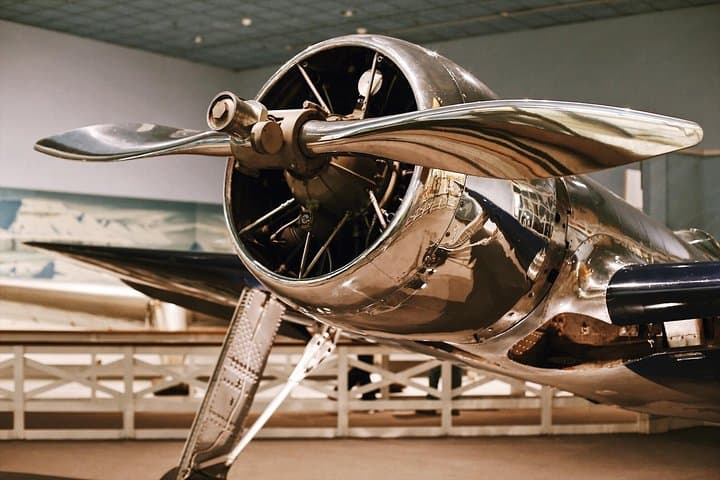
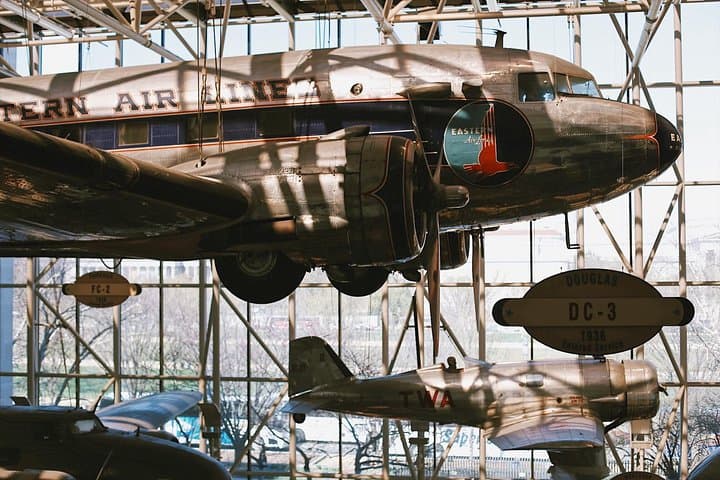
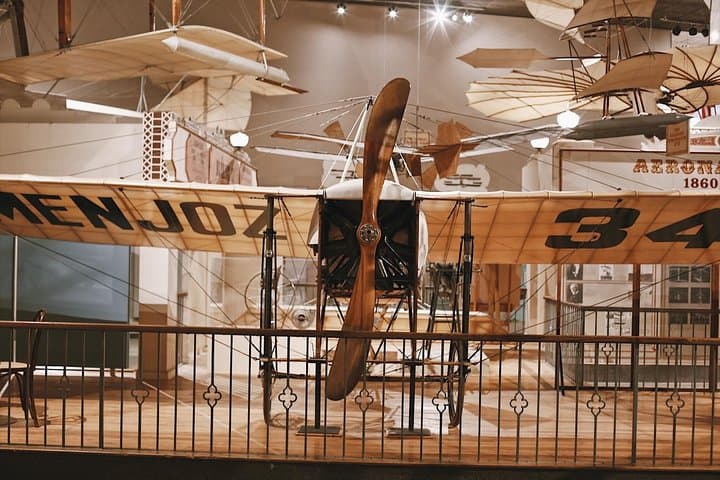
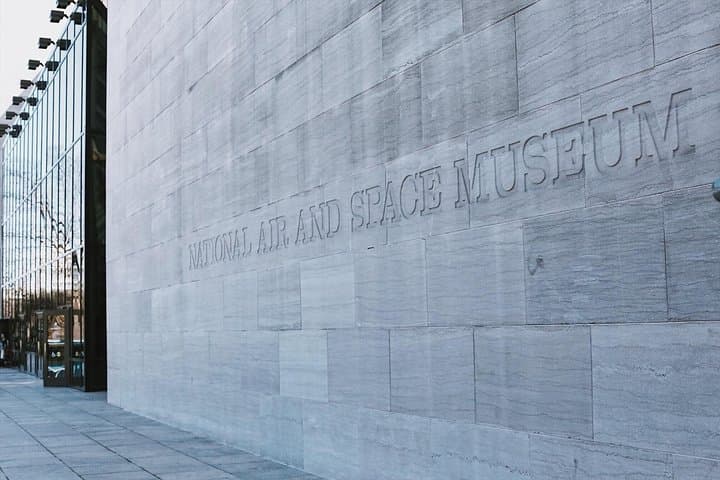
A low murmur hangs beneath the vaulted hangar-like galleries as a small group follows a guide from the lawn-facing entrance of the National Air and Space Museum. Light catches on polished aluminum and plexiglass cases; the 1903 Wright Flyer seems impossibly fragile beside the bulk of an Apollo command module. This semi-private, 2.5-hour walkthrough keeps the pace deliberate — you move from pioneering wood-and-fabric machines to the hard geometry of spacecraft.
A low murmur hangs beneath the vaulted hangar-like galleries as a small group follows a guide from the lawn-facing entrance of the National Air and Space Museum. Light catches on polished aluminum and plexiglass cases; the 1903 Wright Flyer seems impossibly fragile beside the bulk of an Apollo command module. This semi-private, 2.5-hour walkthrough keeps the pace deliberate — you move from pioneering wood-and-fabric machines to the hard geometry of spacecraft.
The museum traces American flight from bicycle-shop experiments to the Cold War-era Space Race. Its collections include early Wright machines, Lindbergh’s Spirit of St. Louis, and artifacts from Apollo missions — objects that map technological leaps and cultural ambition. The museum sits on the National Mall, a broad lowland carved by the Potomac and filled in across centuries to create Washington’s civic spine; the Mall’s open sightlines shape how visitors experience these artifacts against the skyline.
Expect focused storytelling about engineering milestones, biographies of pilots and astronauts, and context about how aviation shaped geopolitics and everyday life. Guides adapt when galleries are closed for renovation, highlighting available artifacts and nearby exhibits.
Practical guidance: arrive 10 minutes early to meet at the base of the sculpture outside the Air & Space entrance, travel light to speed security screening, and wear comfortable shoes — the tour covers multiple floors and standing time. Bring a charged phone for photos where allowed and plan on museum security rules: no large bags and some rooms require quiet. This tour suits history-minded travelers who want curated insight without the crowds of a large group.