THE ADVENTURE COLLECTIVE® · Independent discovery and booking for outdoor travel

A guided alpine ascent of Pico de Orizaba begins from Piedra Grande and the mountain town of Tlachichuca, with a pre‑dawn summit push across glacier and volcanic slopes. Expect technical glacier travel, significant altitude gain, and fast-changing weather.
A guided alpine ascent of Pico de Orizaba begins from Piedra Grande and the mountain town of Tlachichuca, with a pre‑dawn summit push across glacier and volcanic slopes. Expect technical glacier travel, significant altitude gain, and fast-changing weather.
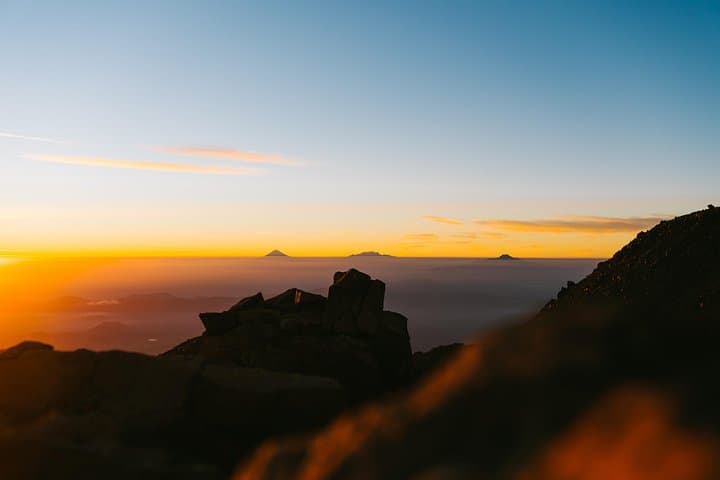
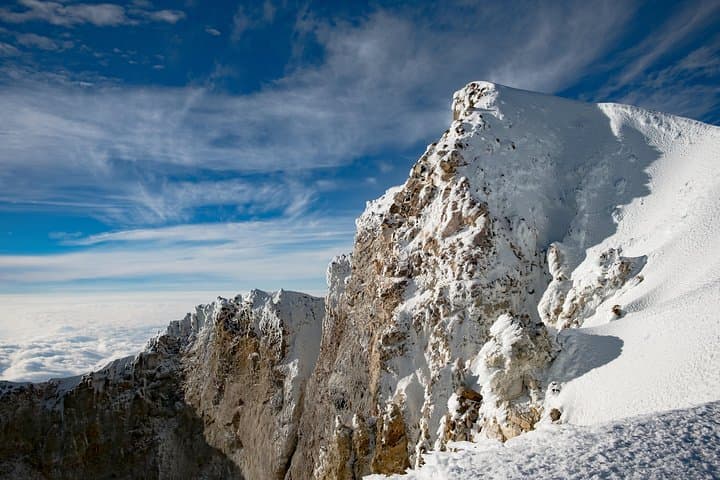
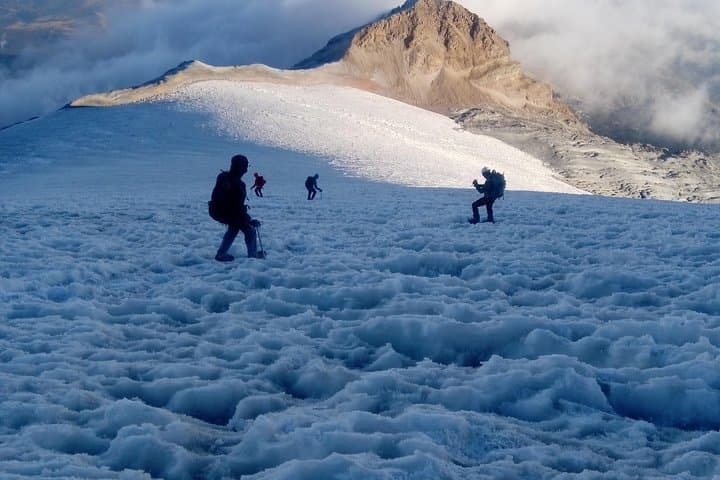
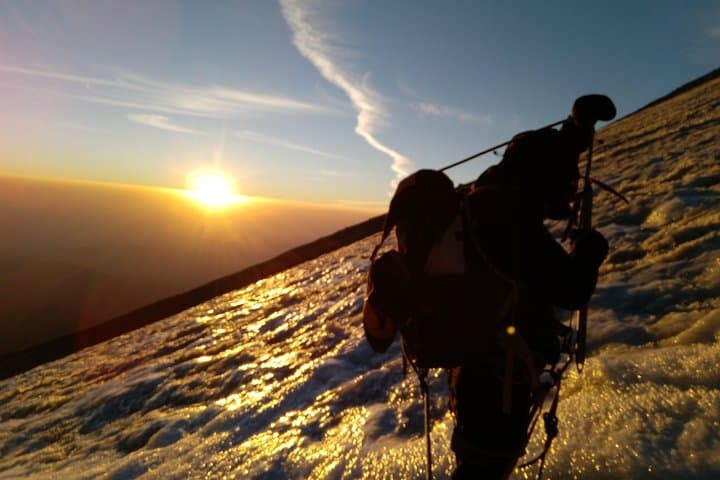
At 3 a.m. the air is thin and crystalline, headlamps cutting a narrow tunnel across hard-packed snow. Teams leave Piedra Grande cabin under a sky of low, cold stars and push into the slope that leads to Pico de Orizaba’s summit — Mexico’s highest point at 5,636 meters. The climb is alive with small, decisive movements: the scrape of crampons, the metronome of breathing, the glacier ahead daring you with crevasses and hard blue ice.
Verified experiences and guided adventures in the surrounding area.
Operated by Yacana Outdoors · Tlachichuca, Puebla
At 3 a.m. the air is thin and crystalline, headlamps cutting a narrow tunnel across hard-packed snow. Teams leave Piedra Grande cabin under a sky of low, cold stars and push into the slope that leads to Pico de Orizaba’s summit — Mexico’s highest point at 5,636 meters. The climb is alive with small, decisive movements: the scrape of crampons, the metronome of breathing, the glacier ahead daring you with crevasses and hard blue ice.
Geology and history are close companions here. Citlaltépetl — “Star Mountain” in Nahuatl — is a stratovolcano capped by a receding glacier and built from layers of lava and ash. The surrounding Sierra contains pine–oak forests and volcanic pumice fields that tell of eruptions that shaped central Mexico. Tlachichuca, the traditional gateway town, still serves mule drivers, guides and families who keep local climbing culture practical and communal.
Practically: trips typically start with a 3‑hour drive from larger cities to Tlachichuca, then a 4x4 to Piedra Grande. From the cabin a summit push often begins around 1–3 a.m. Expect steep scree, glacier travel and sustained altitude gain of roughly 1,300–1,500 meters to the summit. Guides supply technical ice gear, but climbers should be comfortable using crampons and an ice axe and have recent high‑altitude experience.
Tips for success include proper acclimatization, layering for severe cold and sun, and planning for cancellation in unstable weather. This is a committed alpine day — demanding but direct, with one of the continent’s most dramatic summit rewards if conditions allow.
difficult.
10–16 hours (summit day).
Strong aerobic base and recent high‑altitude experience; able to hike 6–12 hours with heavy layers and moderate technical sections
Expect roughly 1,300–1,500 meters of elevation gain with a long summit push that can take 8–12 hours round trip, depending on conditions and pace.
Prior high‑altitude hiking and basic crampon/ice‑axe familiarity are strongly recommended; guided groups may train novices but fitness and acclimatization are essential.
Severe storms, high winds, or unstable glacier conditions will prompt cancellation or turning back; guides monitor forecasts and safety throughout.
Climbs occur within a national park and may require registration with the park authority and adherence to local rules; guides typically handle logistics.
Pico de Orizaba (Citlaltépetl) is Mexico’s highest peak and held spiritual significance for pre‑Hispanic peoples; its name means 'Star Mountain' in Nahuatl.
The glacier and high‑alpine ecosystems are fragile; stick to established routes, pack out all waste and follow guide and park rules to minimize impact.
Yacana Outdoors operates guided outdoor trips and adventures with an emphasis on safety, stewardship, and memorable experiences.
At 3 a.m. the air is thin and crystalline, headlamps cutting a narrow tunnel across hard-packed snow. Teams leave Piedra Grande cabin under a sky of low, cold stars and push into the slope that leads to Pico de Orizaba’s summit — Mexico’s highest point at 5,636 meters. The climb is alive with small, decisive movements: the scrape of crampons, the metronome of breathing, the glacier ahead daring you with crevasses and hard blue ice.
At 3 a.m. the air is thin and crystalline, headlamps cutting a narrow tunnel across hard-packed snow. Teams leave Piedra Grande cabin under a sky of low, cold stars and push into the slope that leads to Pico de Orizaba’s summit — Mexico’s highest point at 5,636 meters. The climb is alive with small, decisive movements: the scrape of crampons, the metronome of breathing, the glacier ahead daring you with crevasses and hard blue ice.
Geology and history are close companions here. Citlaltépetl — “Star Mountain” in Nahuatl — is a stratovolcano capped by a receding glacier and built from layers of lava and ash. The surrounding Sierra contains pine–oak forests and volcanic pumice fields that tell of eruptions that shaped central Mexico. Tlachichuca, the traditional gateway town, still serves mule drivers, guides and families who keep local climbing culture practical and communal.
Practically: trips typically start with a 3‑hour drive from larger cities to Tlachichuca, then a 4x4 to Piedra Grande. From the cabin a summit push often begins around 1–3 a.m. Expect steep scree, glacier travel and sustained altitude gain of roughly 1,300–1,500 meters to the summit. Guides supply technical ice gear, but climbers should be comfortable using crampons and an ice axe and have recent high‑altitude experience.
Tips for success include proper acclimatization, layering for severe cold and sun, and planning for cancellation in unstable weather. This is a committed alpine day — demanding but direct, with one of the continent’s most dramatic summit rewards if conditions allow.