THE ADVENTURE COLLECTIVE® · Independent discovery and booking for outdoor travel

Spend two hours snowshoeing above Ehrwald with guided views of the Zugspitze. This accessible winter hike blends spruce-forested trails, open alpine meadows, and wildlife spotting with basic instruction for first-time snowshoers.
Spend two hours snowshoeing above Ehrwald with guided views of the Zugspitze. This accessible winter hike blends spruce-forested trails, open alpine meadows, and wildlife spotting with basic instruction for first-time snowshoers.
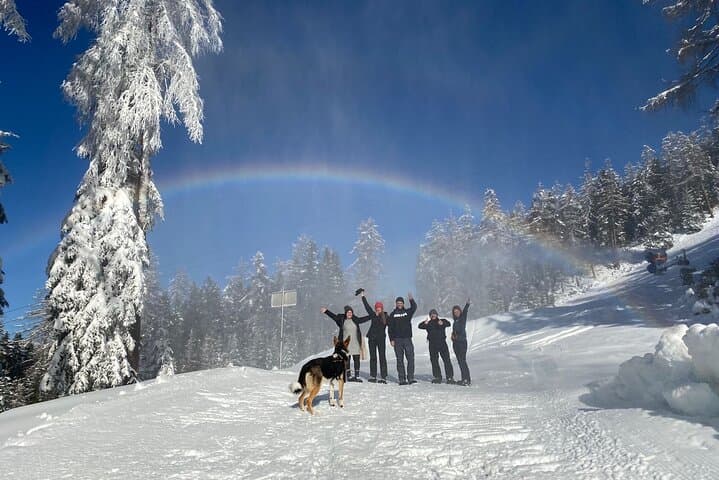
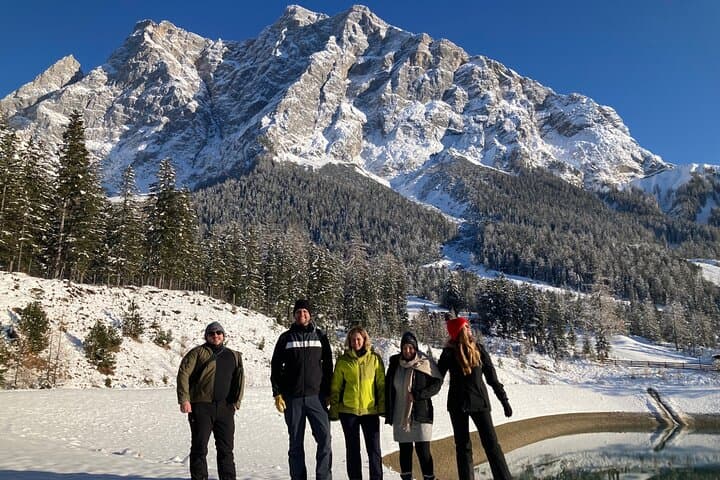
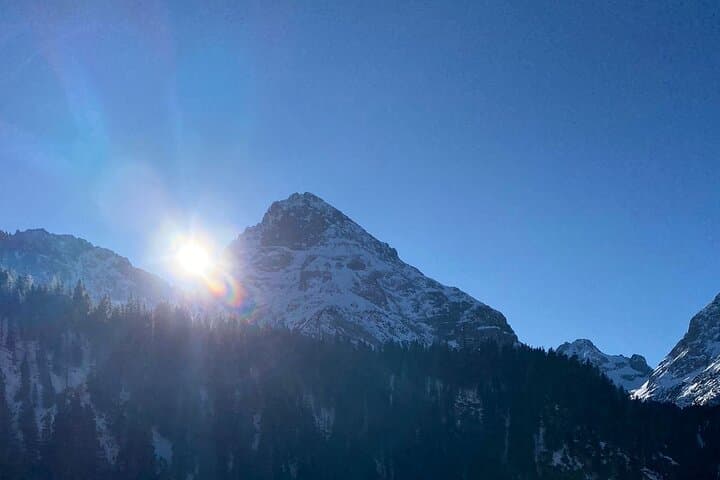
A hush falls over the valley as you step onto packed snow and the forest answers with a soft crack underfoot. The route starts just above Ehrwald, climbing through spruce and larch that shear open to reveal the sheer bulk of the Zugspitze across the border—its ridges daring you forward while wind-scoured cornices hold the skyline.
Verified experiences and guided adventures in the surrounding area.
Operated by Bergsport Scheiber · Ehrwald, Tyrol
A hush falls over the valley as you step onto packed snow and the forest answers with a soft crack underfoot. The route starts just above Ehrwald, climbing through spruce and larch that shear open to reveal the sheer bulk of the Zugspitze across the border—its ridges daring you forward while wind-scoured cornices hold the skyline.
This landscape is shaped by glaciation and alpine geology: hard limestone faces carved by ice, moraines of dark scree and pockets of peat-rich soil where traditional mountain farming once grazed flocks during short summers. The area sits on the Tyrol–Bavaria edge, and local culture still carries that cross-border alpine character—wooden chalets, stamped lederhosen history in museum displays, and huts that serve simple, sustaining food.
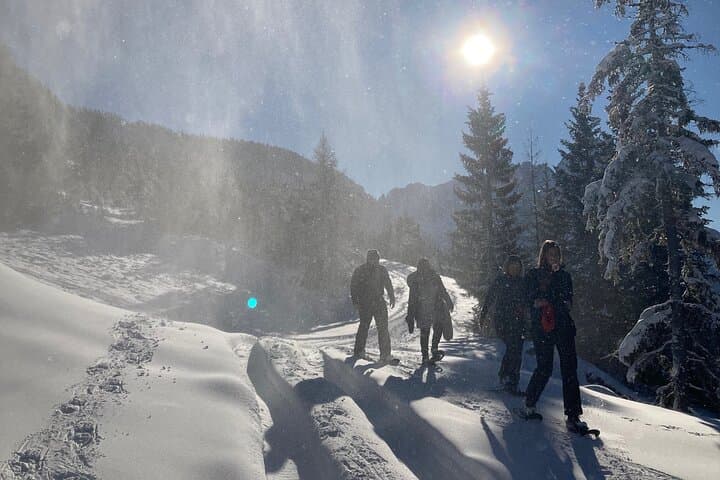
On a guided two-hour snowshoe hike expect measured climbs and wide-open viewpoints rather than technical ascents. Guides give a short briefing on snowshoe fit and basic technique, point out animal tracks—chamois, hare—and explain avalanche awareness in plain terms. The route often follows forest tracks and open alpine meadows; footing can shift from firm crust to soft powder depending on temperature.
Practical tips: wear insulated, waterproof boots and layered clothing, bring sunglasses and high-energy snacks, and plan your outing for mid-morning when light is best and snow conditions are more stable. For first-timers this is an accessible introduction to winter backcountry rhythm—slow, attentive, and utterly focused on the clarity of mountain air and the geometry of shadows on snow.
moderate.
2 hours.
Suitable for people with basic fitness; able to walk on uneven ground and sustain gentle uphill for short periods.
The guided tour is rated easy-to-moderate: short uphill segments and mostly groomed or well-trodden winter trails suitable for beginners with basic fitness.
Yes—snowshoes are included and guides will fit and instruct you on basic technique before you start.
Layered clothing, waterproof insulated boots, a warm hat and gloves, and sunglasses; avoid cotton next to skin and bring a waterproof outer shell.
Ehrwald is reachable by regional trains and buses from Innsbruck and Garmisch-Partenkirchen; local pickup details are provided after booking and guides meet at a central, easy-to-find spot in town.
The Zugspitze ridge marks a long-standing Tyrolean–Bavarian frontier; the area’s huts and trails reflect a history of seasonal alpine farming and 19th-century mountaineering exploration.
Stick to guide-led routes to avoid fragile vegetation under snow, pack out all waste, and avoid disturbing wildlife—especially during winter when animals have limited energy reserves.
Bergsport Scheiber operates guided outdoor trips and adventures with an emphasis on safety, stewardship, and memorable experiences.
A hush falls over the valley as you step onto packed snow and the forest answers with a soft crack underfoot. The route starts just above Ehrwald, climbing through spruce and larch that shear open to reveal the sheer bulk of the Zugspitze across the border—its ridges daring you forward while wind-scoured cornices hold the skyline.
A hush falls over the valley as you step onto packed snow and the forest answers with a soft crack underfoot. The route starts just above Ehrwald, climbing through spruce and larch that shear open to reveal the sheer bulk of the Zugspitze across the border—its ridges daring you forward while wind-scoured cornices hold the skyline.
This landscape is shaped by glaciation and alpine geology: hard limestone faces carved by ice, moraines of dark scree and pockets of peat-rich soil where traditional mountain farming once grazed flocks during short summers. The area sits on the Tyrol–Bavaria edge, and local culture still carries that cross-border alpine character—wooden chalets, stamped lederhosen history in museum displays, and huts that serve simple, sustaining food.
On a guided two-hour snowshoe hike expect measured climbs and wide-open viewpoints rather than technical ascents. Guides give a short briefing on snowshoe fit and basic technique, point out animal tracks—chamois, hare—and explain avalanche awareness in plain terms. The route often follows forest tracks and open alpine meadows; footing can shift from firm crust to soft powder depending on temperature.
Practical tips: wear insulated, waterproof boots and layered clothing, bring sunglasses and high-energy snacks, and plan your outing for mid-morning when light is best and snow conditions are more stable. For first-timers this is an accessible introduction to winter backcountry rhythm—slow, attentive, and utterly focused on the clarity of mountain air and the geometry of shadows on snow.