THE ADVENTURE COLLECTIVE® · Independent discovery and booking for outdoor travel

Explore Malta’s clear bays and sheltered reefs with a guided snorkeling tour that visits prime sites such as the Blue Lagoon. Perfect for beginners and confident swimmers alike, the trip combines short transfers, expert instruction and abundant marine life.
Explore Malta’s clear bays and sheltered reefs with a guided snorkeling tour that visits prime sites such as the Blue Lagoon. Perfect for beginners and confident swimmers alike, the trip combines short transfers, expert instruction and abundant marine life.
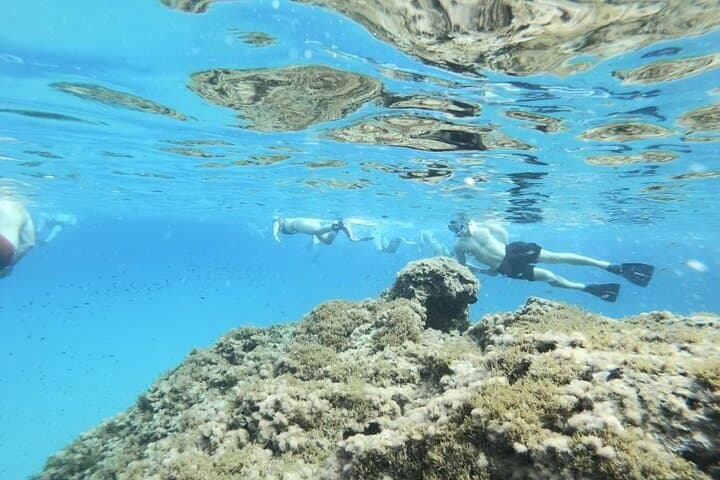
On a bright Mediterranean morning the water is a glassy invitation; guides run a quick equipment check, and the boat eases toward submerged arches, reef edges and the pale sand of Blue Lagoon. Salt and limestone shape the coastline here—craggy cliffs drop into clear basins that reveal seagrass plains, sponge patches and the occasional shipwreck shadow.
Verified experiences and guided adventures in the surrounding area.
Operated by Aquatica Diving Centre · Comino (Blue Lagoon), Malta
On a bright Mediterranean morning the water is a glassy invitation; guides run a quick equipment check, and the boat eases toward submerged arches, reef edges and the pale sand of Blue Lagoon. Salt and limestone shape the coastline here—craggy cliffs drop into clear basins that reveal seagrass plains, sponge patches and the occasional shipwreck shadow.
Malta's geology is predominantly Upper Coralline and Globigerina limestone, carved by sea and time into caves and swim-throughs that snorkelers can peer into. The islands have been a crossroads for millennia—Phoenicians, Romans and the Knights of St. John all left marks on coastal settlements and submerged relics. Local fishing traditions and dive culture mean many shorelines double as informal museums of anchors, amphora fragments and wartime wrecks.
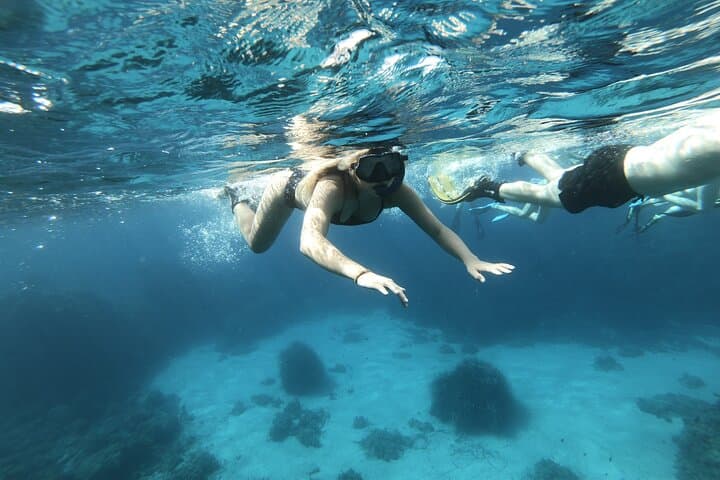
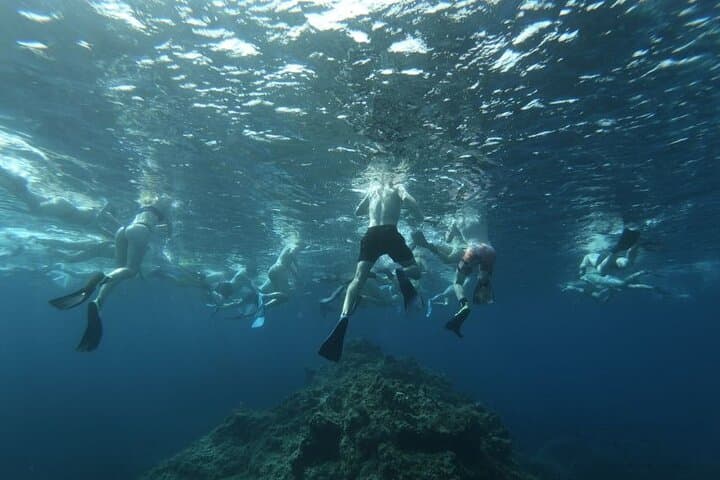
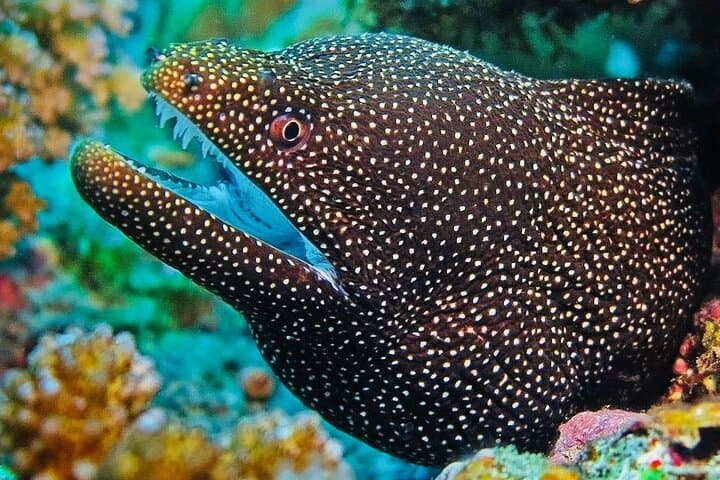
Expect straightforward logistics: meet at a dive center, a short drive to the launch point, gear fitting, a safety briefing, then roughly an hour of in-water snorkeling within protected bays. Visibility often exceeds 10–20 meters in summer; currents are usually mild but guides pick sites by weather. Marine life is approachable and curious—wrasse, bream, octopus and colorful nudibranchs are common highlights.
Practical notes: bring a well-fitting mask and reef-safe sunscreen, hydrate before departure, and follow the guide’s instructions for buoyancy and distance from fragile rocks. Beginners will appreciate hands-on coaching; stronger swimmers can explore slightly deeper edges. Plan trips in morning light for best visibility and calmer sea conditions. This is an accessible, high-reward way to meet Malta’s underwater side without advanced certification.
easy.
2–3 hours.
Suitable for most fitness levels; basic swimming ability recommended for comfort
No—beginners are welcome; guides provide an orientation and pair less confident swimmers with extra support, but basic comfort in water is recommended.
Yes—masks, snorkels and fins are provided, though many travelers prefer to bring their own mask for fit and hygiene.
Tours cancel or reschedule if conditions are unsafe; operators typically offer a full refund if canceled at least 24 hours prior due to weather.
Guides choose among top local spots (Blue Lagoon/Comino, sheltered bays and wreck areas) depending on wind, swell and visibility to maximize safety and marine sightings.
Malta’s coasts hold artifacts and wreck debris from ancient trade routes and 20th-century naval activity; some shallow wrecks now serve as artificial reefs.
Operators encourage reef-aware snorkeling, using mooring points instead of anchors and promoting reef-safe sunscreens to minimize impact on seagrass and invertebrates.
Aquatica Diving Centre operates guided outdoor trips and adventures with an emphasis on safety, stewardship, and memorable experiences.
On a bright Mediterranean morning the water is a glassy invitation; guides run a quick equipment check, and the boat eases toward submerged arches, reef edges and the pale sand of Blue Lagoon. Salt and limestone shape the coastline here—craggy cliffs drop into clear basins that reveal seagrass plains, sponge patches and the occasional shipwreck shadow.
On a bright Mediterranean morning the water is a glassy invitation; guides run a quick equipment check, and the boat eases toward submerged arches, reef edges and the pale sand of Blue Lagoon. Salt and limestone shape the coastline here—craggy cliffs drop into clear basins that reveal seagrass plains, sponge patches and the occasional shipwreck shadow.
Malta's geology is predominantly Upper Coralline and Globigerina limestone, carved by sea and time into caves and swim-throughs that snorkelers can peer into. The islands have been a crossroads for millennia—Phoenicians, Romans and the Knights of St. John all left marks on coastal settlements and submerged relics. Local fishing traditions and dive culture mean many shorelines double as informal museums of anchors, amphora fragments and wartime wrecks.
Expect straightforward logistics: meet at a dive center, a short drive to the launch point, gear fitting, a safety briefing, then roughly an hour of in-water snorkeling within protected bays. Visibility often exceeds 10–20 meters in summer; currents are usually mild but guides pick sites by weather. Marine life is approachable and curious—wrasse, bream, octopus and colorful nudibranchs are common highlights.
Practical notes: bring a well-fitting mask and reef-safe sunscreen, hydrate before departure, and follow the guide’s instructions for buoyancy and distance from fragile rocks. Beginners will appreciate hands-on coaching; stronger swimmers can explore slightly deeper edges. Plan trips in morning light for best visibility and calmer sea conditions. This is an accessible, high-reward way to meet Malta’s underwater side without advanced certification.