THE ADVENTURE COLLECTIVE® · Independent discovery and booking for outdoor travel

Step into the clear, cool waters of Coral Beach (Trá an Dóilín) on a guided snorkeling tour that highlights seagrass meadows, kelp forests, and local marine life. Small groups and Blue Oceans certification make this a responsible, family-friendly way to explore Connemara’s underwater habitats.
Step into the clear, cool waters of Coral Beach (Trá an Dóilín) on a guided snorkeling tour that highlights seagrass meadows, kelp forests, and local marine life. Small groups and Blue Oceans certification make this a responsible, family-friendly way to explore Connemara’s underwater habitats.
The Atlantic breathes cold and clear at Trá an Dóilín (Coral Beach), where olive kelp reaches up from the seabed and seagrass meadows sway like underwater grasslands. A small group gathers at the Wild Atlantic Way sign; guides check masks and buoyancy, then lead swimmers down a gentle pebble slope into sheltered, glassy water. The current here can tease you outward, but within the bay are pockets of calm that reveal wrasse, crabs, and pale maerl beds.
Verified experiences and guided adventures in the surrounding area.
Operated by Atlantic Scuba Adventures · Carraroe, County Galway
The Atlantic breathes cold and clear at Trá an Dóilín (Coral Beach), where olive kelp reaches up from the seabed and seagrass meadows sway like underwater grasslands. A small group gathers at the Wild Atlantic Way sign; guides check masks and buoyancy, then lead swimmers down a gentle pebble slope into sheltered, glassy water. The current here can tease you outward, but within the bay are pockets of calm that reveal wrasse, crabs, and pale maerl beds.
This stretch of Connemara sits in Ireland’s Gaeltacht, where place names and local speech carry centuries of fishing and coastal lore. Geologically, the coast is a collision of hard rock headlands and glacially scoured bays—ideal for pockets of biodiversity where kelp forests and seagrass trap nutrients and young marine life. Guides often point out seasonal changes in species and explain why maerl (calcified red algae) is both rare and fragile.
Practically, expect a two-hour session: kit fitting, a skills demo, then guided snorkeling along easily accessible shallows. Tours keep groups small and emphasize conservation—no touching maerl or disturbing seagrass. Bring a close-fitting mask, a wetsuit (water is cold year-round), and a mind for currents. Children over six can join with a guardian; basic swimming ability is required but guides adapt the route to skill levels. Time your visit for high tide to reach the richest patches of kelp, and leave cameras to guides if you want underwater photos without fumbling equipment. This is an introductory, family-friendly way to meet Connemara’s underwater edge with knowledgeable local stewards.
easy.
2 hours.
Suitable for light to moderate fitness; basic swimming ability and comfort in open water are required
No—this tour is suitable for beginners with basic swimming ability; guides stay close and offer skills demos before entering the water.
Participants must be at least six years old; under‑18s need a guardian present to grant permission on the day.
Yes—operators often use GoPro Hero cameras to capture your session; ask about pricing or included photos when booking.
The operator may cancel for unsafe conditions with refund if you cancel at least 24 hours prior; tours are also cancellable if there are insufficient travelers.
The Carraroe coast is part of the Connemara Gaeltacht, where Irish language and coastal fishing traditions shape local culture and place names.
Operators are Blue Oceans certified and emphasize no-touch policies for maerl and seagrass; limiting group size and using shore-entry points reduces habitat impact.
Atlantic Scuba Adventures operates guided outdoor trips and adventures with an emphasis on safety, stewardship, and memorable experiences.
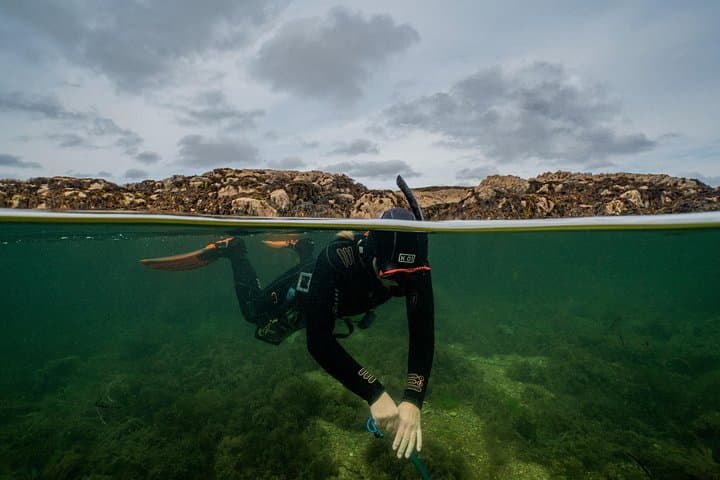
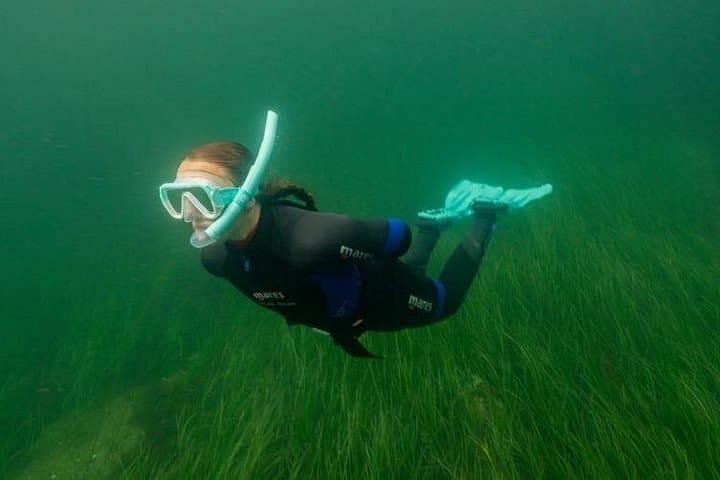
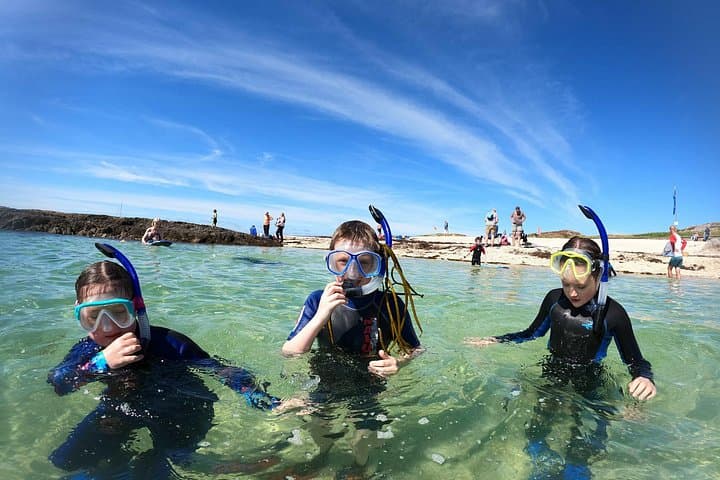
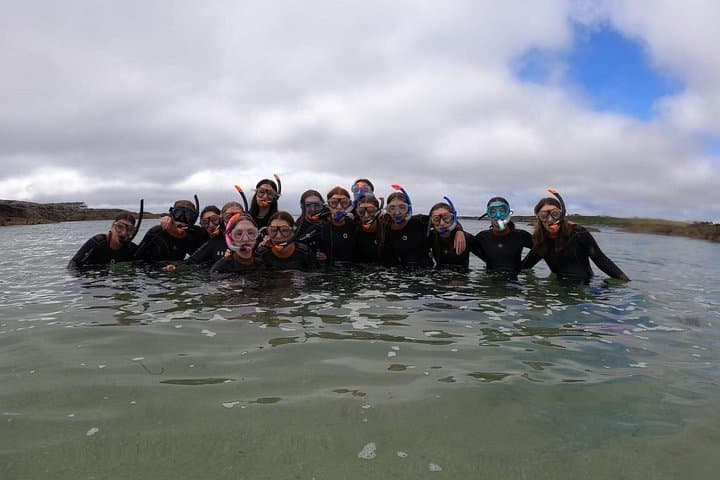
The Atlantic breathes cold and clear at Trá an Dóilín (Coral Beach), where olive kelp reaches up from the seabed and seagrass meadows sway like underwater grasslands. A small group gathers at the Wild Atlantic Way sign; guides check masks and buoyancy, then lead swimmers down a gentle pebble slope into sheltered, glassy water. The current here can tease you outward, but within the bay are pockets of calm that reveal wrasse, crabs, and pale maerl beds.
The Atlantic breathes cold and clear at Trá an Dóilín (Coral Beach), where olive kelp reaches up from the seabed and seagrass meadows sway like underwater grasslands. A small group gathers at the Wild Atlantic Way sign; guides check masks and buoyancy, then lead swimmers down a gentle pebble slope into sheltered, glassy water. The current here can tease you outward, but within the bay are pockets of calm that reveal wrasse, crabs, and pale maerl beds.
This stretch of Connemara sits in Ireland’s Gaeltacht, where place names and local speech carry centuries of fishing and coastal lore. Geologically, the coast is a collision of hard rock headlands and glacially scoured bays—ideal for pockets of biodiversity where kelp forests and seagrass trap nutrients and young marine life. Guides often point out seasonal changes in species and explain why maerl (calcified red algae) is both rare and fragile.
Practically, expect a two-hour session: kit fitting, a skills demo, then guided snorkeling along easily accessible shallows. Tours keep groups small and emphasize conservation—no touching maerl or disturbing seagrass. Bring a close-fitting mask, a wetsuit (water is cold year-round), and a mind for currents. Children over six can join with a guardian; basic swimming ability is required but guides adapt the route to skill levels. Time your visit for high tide to reach the richest patches of kelp, and leave cameras to guides if you want underwater photos without fumbling equipment. This is an introductory, family-friendly way to meet Connemara’s underwater edge with knowledgeable local stewards.