THE ADVENTURE COLLECTIVE® · Independent discovery and booking for outdoor travel

Explore Luxor’s artisanal heart with a guided, private shopping tour that pairs demonstrations of papyrus-making and stone carving with curated stops for jewelry and perfumes. Ideal for travelers who want authentic souvenirs and a stress-free way to meet local makers.
Explore Luxor’s artisanal heart with a guided, private shopping tour that pairs demonstrations of papyrus-making and stone carving with curated stops for jewelry and perfumes. Ideal for travelers who want authentic souvenirs and a stress-free way to meet local makers.
The sun slants across Luxor’s Nile-front streets as your guide leads you from a hotel or cruise dock into alleys lined with craft shops and stone workshops. Voices of vendors mix with the steady pulse of traffic; the air carries scents of spiced oils and drying papyrus. Over the next four hours you move at an easy pace through boutiques and small factories where artisans shape stone, press pigments, and hand-write cartouches in ancient script.
Verified experiences and guided adventures in the surrounding area.
Operated by Luxor Best Tours · Luxor, Luxor Governorate
The sun slants across Luxor’s Nile-front streets as your guide leads you from a hotel or cruise dock into alleys lined with craft shops and stone workshops. Voices of vendors mix with the steady pulse of traffic; the air carries scents of spiced oils and drying papyrus. Over the next four hours you move at an easy pace through boutiques and small factories where artisans shape stone, press pigments, and hand-write cartouches in ancient script.
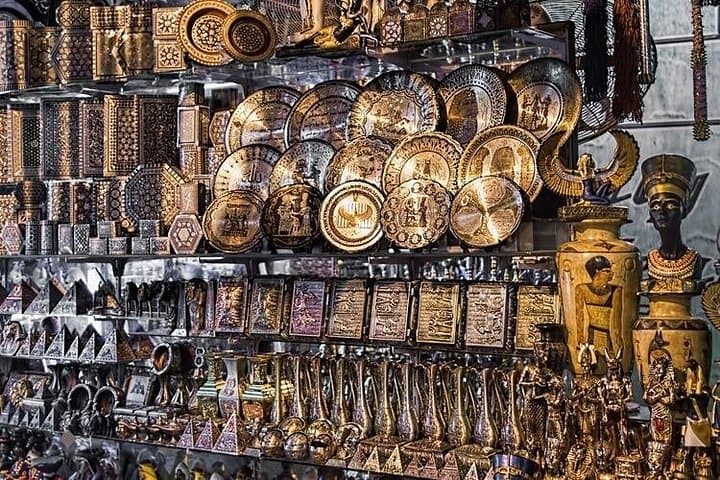
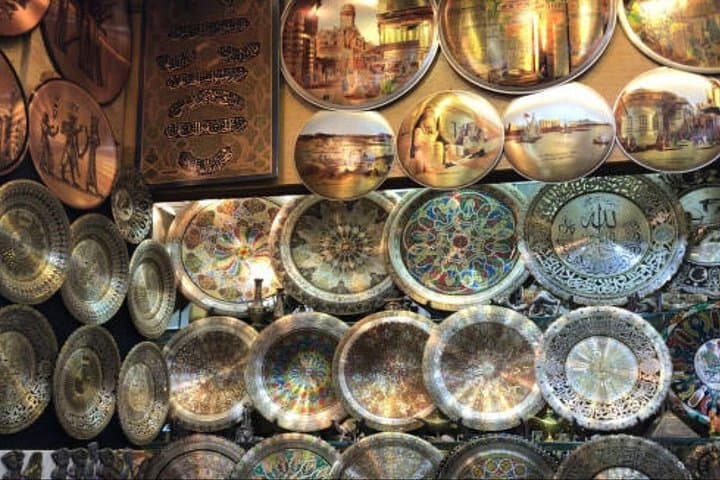
Luxor sits on the remains of Thebes, a city central to Egypt’s New Kingdom; many crafts here draw directly from that past — papyrus painting, hieroglyphic cartouches, and jewelry motifs copied from temple reliefs. Geologically, the limestone and sandstone quarried along the Nile valley supply the raw materials for carving; culturally, markets remain family-run, skills passed down through generations.
Expect demonstrations: papyrus production from pith to sheet, precise stone carving, and jewellers soldering small gold and silver pieces. Your guide will explain hallmarking, pricing norms, and the ethics of buying antiquities versus contemporary reproductions.
Practicalities matter: the tour is private, air-conditioned transport is provided, and pickup from hotels or Nile cruises is included. Bring small bills for purchases, verify metal hallmarks, and budget time for bargaining—polite negotiation is standard. Morning departures avoid midday heat and dense traffic; plan for about four hours total, comfortable walking shoes, and sun protection. The experience is equal parts cultural education and curated shopping—aimed at getting meaningful, well-made souvenirs while learning how they’re made.
easy.
4 hours.
Suitable for travelers of average mobility; involves short walks on paved streets and standing during demonstrations.
The experience lasts about four hours, including hotel or Nile cruise pickup and drop-off.
Guides can advise on typical price ranges and bargaining etiquette, but you usually negotiate directly with vendors unless you request assistance.
Refund and return policies vary by shop—ask before buying and request receipts for higher-value items.
Yes; the itinerary notes infants must sit on laps for transport, and the walking pace is gentle and family-friendly.
Luxor occupies ancient Thebes, the ceremonial center of pharaonic Egypt; many craft motifs reference temple reliefs and funerary iconography.
Support local artisans who source materials responsibly; avoid buying anything that appears to be genuine archaeological material to protect cultural heritage.
Luxor Best Tours operates guided outdoor trips and adventures with an emphasis on safety, stewardship, and memorable experiences.
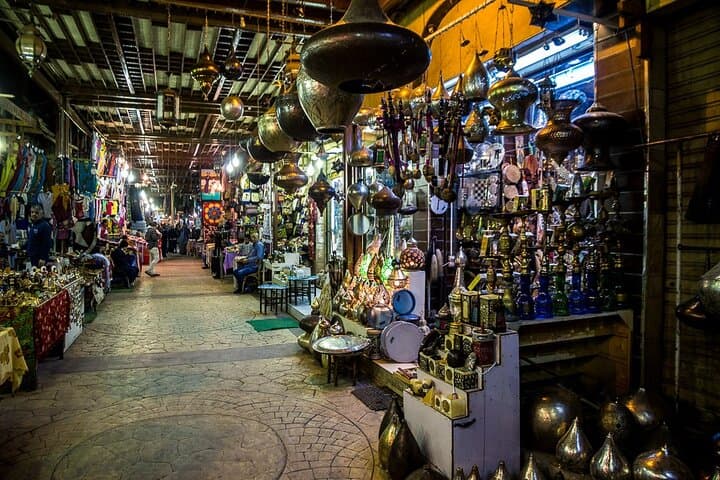
The sun slants across Luxor’s Nile-front streets as your guide leads you from a hotel or cruise dock into alleys lined with craft shops and stone workshops. Voices of vendors mix with the steady pulse of traffic; the air carries scents of spiced oils and drying papyrus. Over the next four hours you move at an easy pace through boutiques and small factories where artisans shape stone, press pigments, and hand-write cartouches in ancient script.
The sun slants across Luxor’s Nile-front streets as your guide leads you from a hotel or cruise dock into alleys lined with craft shops and stone workshops. Voices of vendors mix with the steady pulse of traffic; the air carries scents of spiced oils and drying papyrus. Over the next four hours you move at an easy pace through boutiques and small factories where artisans shape stone, press pigments, and hand-write cartouches in ancient script.
Luxor sits on the remains of Thebes, a city central to Egypt’s New Kingdom; many crafts here draw directly from that past — papyrus painting, hieroglyphic cartouches, and jewelry motifs copied from temple reliefs. Geologically, the limestone and sandstone quarried along the Nile valley supply the raw materials for carving; culturally, markets remain family-run, skills passed down through generations.
Expect demonstrations: papyrus production from pith to sheet, precise stone carving, and jewellers soldering small gold and silver pieces. Your guide will explain hallmarking, pricing norms, and the ethics of buying antiquities versus contemporary reproductions.
Practicalities matter: the tour is private, air-conditioned transport is provided, and pickup from hotels or Nile cruises is included. Bring small bills for purchases, verify metal hallmarks, and budget time for bargaining—polite negotiation is standard. Morning departures avoid midday heat and dense traffic; plan for about four hours total, comfortable walking shoes, and sun protection. The experience is equal parts cultural education and curated shopping—aimed at getting meaningful, well-made souvenirs while learning how they’re made.