THE ADVENTURE COLLECTIVE® · Independent discovery and booking for outdoor travel

Explore Tromsø’s polar past on a three-hour guided walk that combines downtown stops with Polaria and the Polar Museum. Learn local history, view Arctic exhibits, and get practical context for polar bears, seals and a changing Arctic.
Explore Tromsø’s polar past on a three-hour guided walk that combines downtown stops with Polaria and the Polar Museum. Learn local history, view Arctic exhibits, and get practical context for polar bears, seals and a changing Arctic.
A low, salt-bright wind crosses Tromsø’s harbor as the group gathers—boots crunch on cobbles, breath fogging in the air, and the city’s wooden façades leaning toward stories of northern hunters and explorers. The guided Polar Bear Walk threads these streets and museums, pairing on-foot storytelling with indoor exhibits that place the majestic polar bear in the arc of Tromsø’s past and the Arctic’s present.
Verified experiences and guided adventures in the surrounding area.
Operated by OK TROMSO · Tromsø, Troms og Finnmark
A low, salt-bright wind crosses Tromsø’s harbor as the group gathers—boots crunch on cobbles, breath fogging in the air, and the city’s wooden façades leaning toward stories of northern hunters and explorers. The guided Polar Bear Walk threads these streets and museums, pairing on-foot storytelling with indoor exhibits that place the majestic polar bear in the arc of Tromsø’s past and the Arctic’s present.
The route traces a human history of whaling, trapping and expedition lore: hunters who once brought bear cubs to town, circuses of rumor, and the later scientific reckoning. Geology here is coastal Arctic—glacially scoured islands, shallow fjord basins and pebble beaches that once fed seal colonies. Polaria’s “The Changing Arctic” exhibition and a panoramic film give context to sea-ice decline, while the Polar Museum archives maps and artifacts related to 19th- and 20th-century voyages.
Culturally, the tour balances local memory and conservation messaging; guides deliver concise facts about hunting regulations, species status and community responses. Expect mostly flat, paved walking—short distances with many stops for films and displays; total walking is light but the three-hour format allows time to absorb exhibits.
Practical edge: wear traction if surfaces are icy, layer for Arctic wind, and bring a compact daypack. Spikes and reflectors are provided when needed; public transit reaches most meeting points. The experience is as much urban interpretation as wildlife viewing—great for travelers who want context, photos, and a clear primer on how climate change is reshaping the north.
moderate.
3 hours.
Light to moderate—suitable for travelers who can walk short distances and stand through exhibits for extended periods
No—polar bears are not present in Tromsø. The tour focuses on museum exhibits, films and historical sites that explain human–polar bear interactions and Arctic ecology.
Yes—spikes and reflectors are provided when icy or low-light conditions make them necessary; you may bring your own for comfort and fit.
Generally yes—walking distances are short and the pace is moderate, but participants should be able to stand through museum displays and navigate city sidewalks.
Both Polaria and the Polar Museum have accessible areas, but visitors should advise the operator of mobility needs during booking for specific accommodations.
Tromsø grew as a base for Arctic hunters and polar expeditions; historic accounts include hunters who brought live bear cubs to town, shaping local folklore and museums’ collections.
Polaria and local organizations frame polar bears as an indicator of sea-ice health; visitors are encouraged to learn about climate impacts and support low-impact tourism.
OK TROMSO operates guided outdoor trips and adventures with an emphasis on safety, stewardship, and memorable experiences.
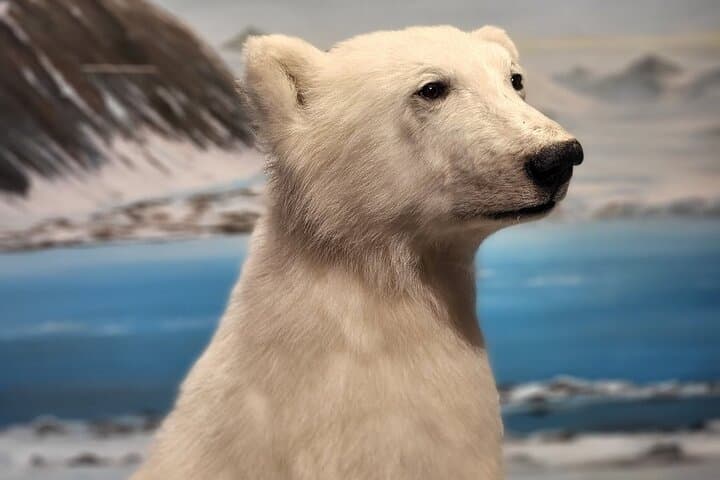
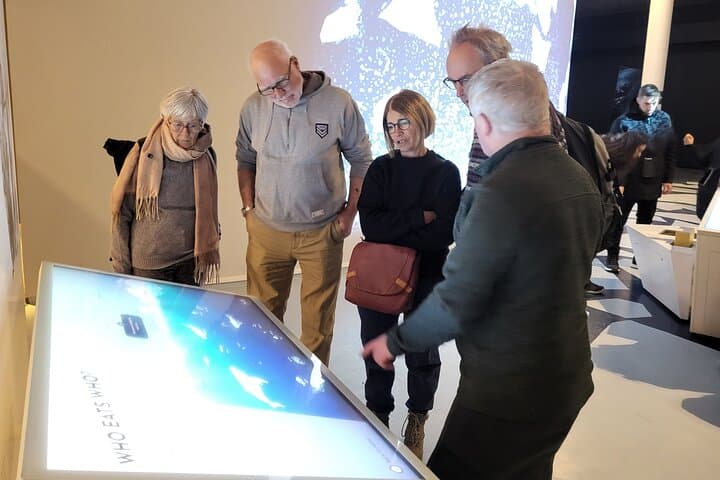

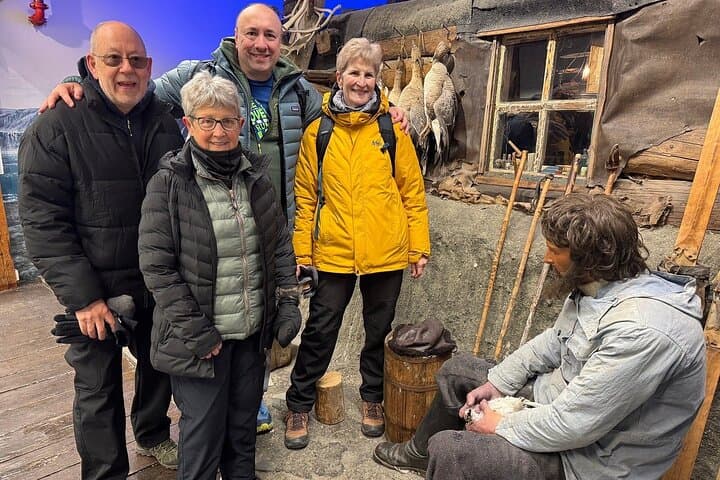
A low, salt-bright wind crosses Tromsø’s harbor as the group gathers—boots crunch on cobbles, breath fogging in the air, and the city’s wooden façades leaning toward stories of northern hunters and explorers. The guided Polar Bear Walk threads these streets and museums, pairing on-foot storytelling with indoor exhibits that place the majestic polar bear in the arc of Tromsø’s past and the Arctic’s present.
A low, salt-bright wind crosses Tromsø’s harbor as the group gathers—boots crunch on cobbles, breath fogging in the air, and the city’s wooden façades leaning toward stories of northern hunters and explorers. The guided Polar Bear Walk threads these streets and museums, pairing on-foot storytelling with indoor exhibits that place the majestic polar bear in the arc of Tromsø’s past and the Arctic’s present.
The route traces a human history of whaling, trapping and expedition lore: hunters who once brought bear cubs to town, circuses of rumor, and the later scientific reckoning. Geology here is coastal Arctic—glacially scoured islands, shallow fjord basins and pebble beaches that once fed seal colonies. Polaria’s “The Changing Arctic” exhibition and a panoramic film give context to sea-ice decline, while the Polar Museum archives maps and artifacts related to 19th- and 20th-century voyages.
Culturally, the tour balances local memory and conservation messaging; guides deliver concise facts about hunting regulations, species status and community responses. Expect mostly flat, paved walking—short distances with many stops for films and displays; total walking is light but the three-hour format allows time to absorb exhibits.
Practical edge: wear traction if surfaces are icy, layer for Arctic wind, and bring a compact daypack. Spikes and reflectors are provided when needed; public transit reaches most meeting points. The experience is as much urban interpretation as wildlife viewing—great for travelers who want context, photos, and a clear primer on how climate change is reshaping the north.