THE ADVENTURE COLLECTIVE® · Independent discovery and booking for outdoor travel

Explore Summit Park’s quieter trails with a local guide on a 3.5–4.5 hour hike that climbs to broad mountain views and touches Park City’s mining-era landscape. Practical tips and route specifics help you prepare for moderate, exposed terrain.
Explore Summit Park’s quieter trails with a local guide on a 3.5–4.5 hour hike that climbs to broad mountain views and touches Park City’s mining-era landscape. Practical tips and route specifics help you prepare for moderate, exposed terrain.
The trail opens under high sage and juniper; the air is thin enough to pull your breath into a quieter rhythm as the path climbs. Step by step you leave suburban edges behind and enter wide, open slopes that push you toward a rocky summit. The guide moves at a steady pace, pointing out a ledge that frames Park City’s ridgelines and a single late-season wildflower stubbornly hanging to the slope.
Verified experiences and guided adventures in the surrounding area.
Operated by Park City Hiking · Park City, Utah
The trail opens under high sage and juniper; the air is thin enough to pull your breath into a quieter rhythm as the path climbs. Step by step you leave suburban edges behind and enter wide, open slopes that push you toward a rocky summit. The guide moves at a steady pace, pointing out a ledge that frames Park City’s ridgelines and a single late-season wildflower stubbornly hanging to the slope.
This part of Summit Park sits on uplifted Tertiary sediments and glacially-sculpted valleys—small, sharp ridges cut into softer sandstone and gravelly moraines. Park City’s mining past is never far: you’ll notice old cutbanks and benching from late-19th-century silver work, and the town’s transformation from boomtown to outdoor hub colors local stories you’ll hear on the way up.
Culturally, this is a mountain town used to summer hikers and winter skiers; trail etiquette is direct—yield to uphill traffic, keep dogs under control, and pack out anything you pack in. Wildlife here includes mule deer and the occasional golden eagle, both comfortable at these elevations.
Practical guidance: plan for a 3.5–4.5 hour outing covering roughly 6–8 miles with 800–1,400 feet of elevation gain on mixed singletrack and rocky sections. Start early to avoid afternoon storms, carry 1–2 liters of water, wear broken-in footwear with traction, and layer for wind and sun. The guided format makes route-finding simple, but expect steady climbs and exposed sections—altitude and footing demand respect, not rush.
moderate.
3.5–4.5 hours.
Good cardiovascular fitness for sustained uphill hiking; comfortable with periodic steep sections.
The guide rates the route moderate to difficult: expect steady climbs and some exposed sections; overall distance 6–8 miles with about 800–1,400 ft elevation gain.
Participants should have moderate fitness and be comfortable with uphill hiking; the guide can choose an easier route on request but this tour is not wheelchair accessible.
Service animals are permitted; pets beyond service animals should be confirmed with the operator in advance.
Full refunds are available if you cancel at least 24 hours before the scheduled departure; trips may be canceled for bad weather or insufficient participants.
The Summit Park area sits near former mining claims; visible cutbanks and drainages reflect late-19th-century silver-era activity that shaped local trails.
Stick to established trails to limit erosion on fragile slopes; local groups run trail maintenance and rely on hikers to pack out waste and avoid shortcutting switchbacks.
Park City Hiking operates guided outdoor trips and adventures with an emphasis on safety, stewardship, and memorable experiences.
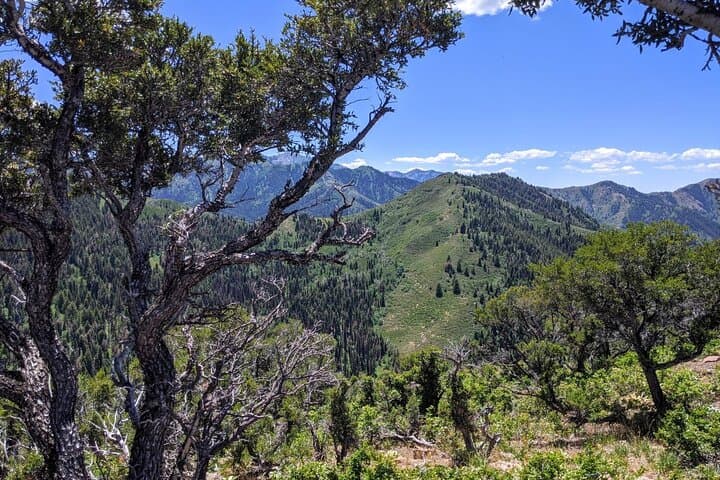
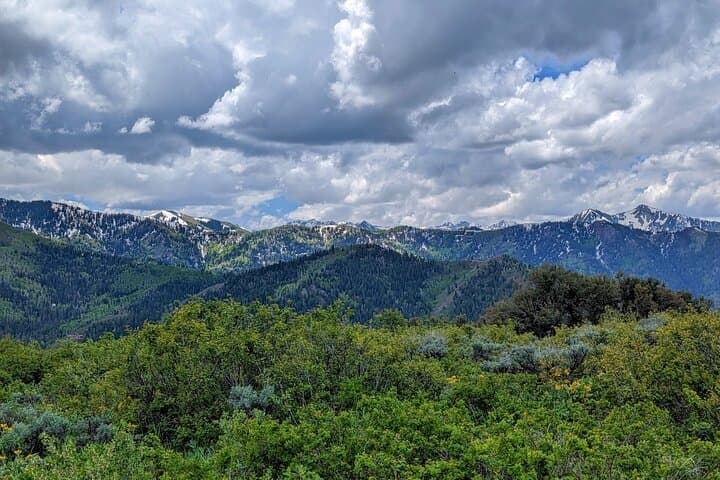
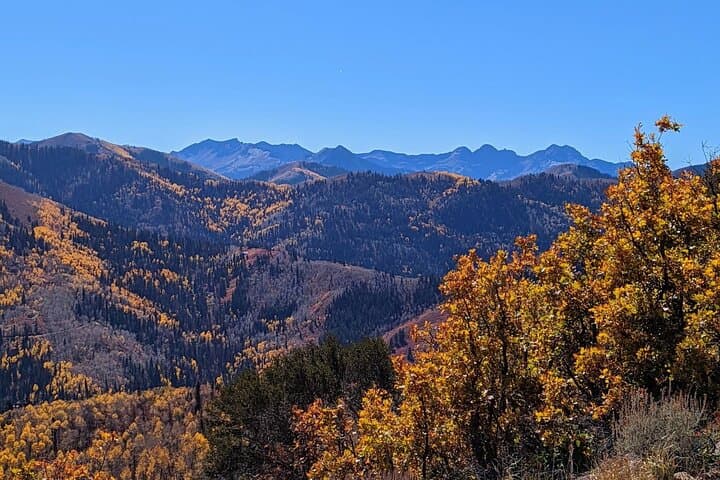
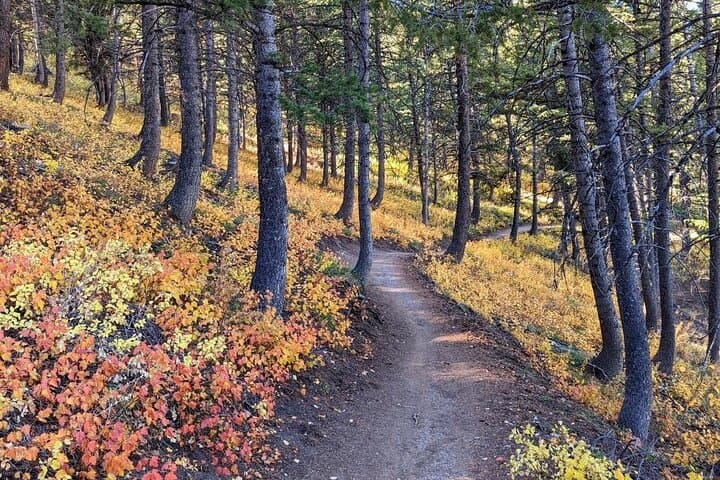
The trail opens under high sage and juniper; the air is thin enough to pull your breath into a quieter rhythm as the path climbs. Step by step you leave suburban edges behind and enter wide, open slopes that push you toward a rocky summit. The guide moves at a steady pace, pointing out a ledge that frames Park City’s ridgelines and a single late-season wildflower stubbornly hanging to the slope.
The trail opens under high sage and juniper; the air is thin enough to pull your breath into a quieter rhythm as the path climbs. Step by step you leave suburban edges behind and enter wide, open slopes that push you toward a rocky summit. The guide moves at a steady pace, pointing out a ledge that frames Park City’s ridgelines and a single late-season wildflower stubbornly hanging to the slope.
This part of Summit Park sits on uplifted Tertiary sediments and glacially-sculpted valleys—small, sharp ridges cut into softer sandstone and gravelly moraines. Park City’s mining past is never far: you’ll notice old cutbanks and benching from late-19th-century silver work, and the town’s transformation from boomtown to outdoor hub colors local stories you’ll hear on the way up.
Culturally, this is a mountain town used to summer hikers and winter skiers; trail etiquette is direct—yield to uphill traffic, keep dogs under control, and pack out anything you pack in. Wildlife here includes mule deer and the occasional golden eagle, both comfortable at these elevations.
Practical guidance: plan for a 3.5–4.5 hour outing covering roughly 6–8 miles with 800–1,400 feet of elevation gain on mixed singletrack and rocky sections. Start early to avoid afternoon storms, carry 1–2 liters of water, wear broken-in footwear with traction, and layer for wind and sun. The guided format makes route-finding simple, but expect steady climbs and exposed sections—altitude and footing demand respect, not rush.