THE ADVENTURE COLLECTIVE® · Independent discovery and booking for outdoor travel

Walk the seawall and slip into Stanley Park’s coastal rainforest with a local guide. Expect ocean outlooks, old-growth stands, and chances at seals, eagles, and occasional whale sightings—paired with practical route tips and gear advice.
Walk the seawall and slip into Stanley Park’s coastal rainforest with a local guide. Expect ocean outlooks, old-growth stands, and chances at seals, eagles, and occasional whale sightings—paired with practical route tips and gear advice.
The seawall opens like a hand to the Pacific: spray on your face, the city skyline receding as old cedars ring the trail. Start on the seawall and move inland where moss-heavy trunks and a fern understory give way to cliffside viewpoints that frame Mt. Baker across the Strait. The guide sets the pace—pointing out tide pools, eagle perches and, on lucky days, a distant whale breach that dares you to look up.
Verified experiences and guided adventures in the surrounding area.
Operated by Vancouver Eco Guide · Vancouver, British Columbia
The seawall opens like a hand to the Pacific: spray on your face, the city skyline receding as old cedars ring the trail. Start on the seawall and move inland where moss-heavy trunks and a fern understory give way to cliffside viewpoints that frame Mt. Baker across the Strait. The guide sets the pace—pointing out tide pools, eagle perches and, on lucky days, a distant whale breach that dares you to look up.
Stanley Park is on the traditional territories of the Musqueam, Squamish and Tsleil-Waututh peoples and has been set aside as public land since the late 19th century. Geologically the park sits on glacially sculpted bedrock with raised beaches and pockets of temperate rainforest—remnants of older growth that survived urban development. Culturally, totem poles and interpretive signs trace a layered history of Indigenous stewardship, logging, and early Vancouver civic planning.
Practically, this hike mixes paved seawall and inner single-track with short, sometimes steep climbs; expect slick roots and muddy sections after rain. Bring waterproof layers and sturdy footwear—walking poles are supplied if needed. Wildlife viewing is best on calmer days and in warmer months; marine mammals are occasional visitors, not a guarantee. The guided format offers context and faster access to quiet offshoots like Beaver Lake and lesser-known coastal outlooks. Allow 2–5 hours depending on your pace and the route chosen, hydrate, and plan for variable coastal weather. Stay on marked trails to protect old-growth patches and minimize disturbance to nesting birds and shoreline life.
moderate.
2–5 hours.
Moderate fitness: able to walk uphill sections and handle uneven terrain for several hours.
No—whales are occasional visitors; guides know the best viewpoints and seasons for sightings but encounters cannot be promised.
Yes—private transportation is listed as included; confirm pickup details when booking.
Yes—trips include the use of hiking poles and rain ponchos if desired.
Moderate level: participants should be comfortable walking 2–5 hours with some uphill and uneven terrain; not recommended for those with serious cardiovascular issues or pregnancy.
Stanley Park was set aside in the late 1800s and sits on the ancestral lands of the Musqueam, Squamish and Tsleil-Waututh peoples; totem poles and interpretive trails highlight this layered history.
Stick to trails, avoid feeding wildlife, and pack out waste; the park’s old-growth fragments and shoreline habitat are fragile and depend on low-impact visitation.
Vancouver Eco Guide operates guided outdoor trips and adventures with an emphasis on safety, stewardship, and memorable experiences.
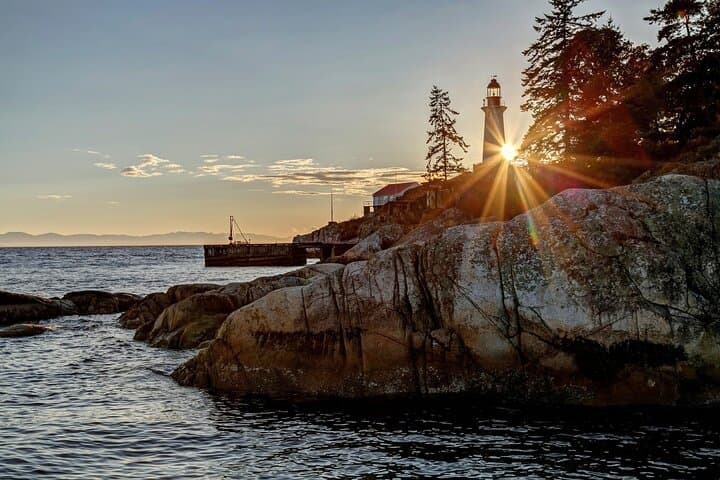
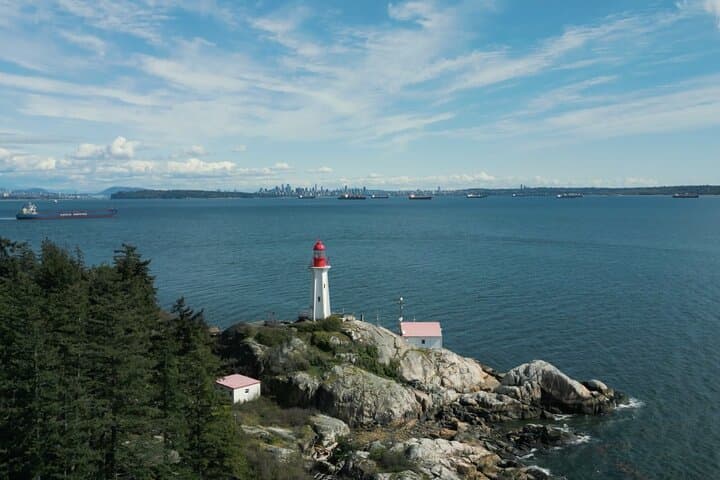
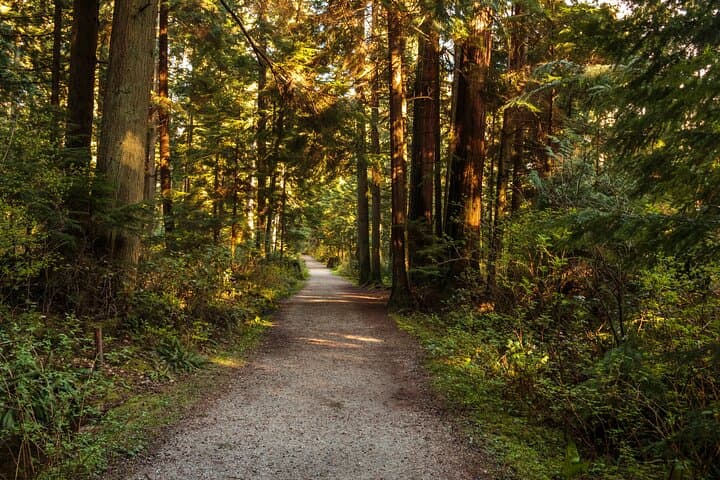
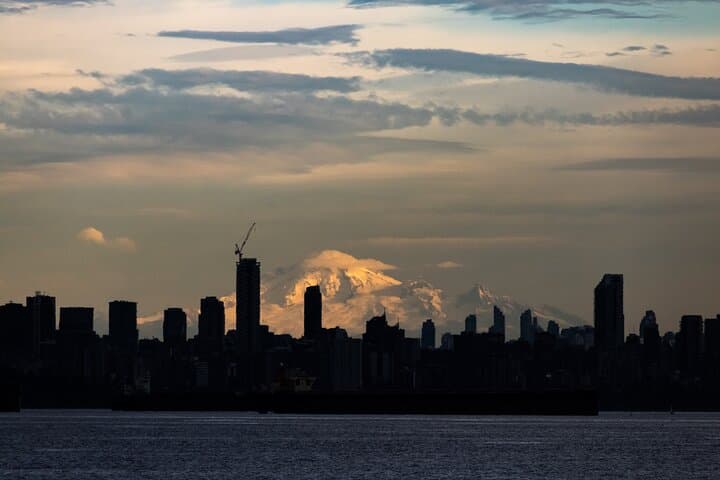
The seawall opens like a hand to the Pacific: spray on your face, the city skyline receding as old cedars ring the trail. Start on the seawall and move inland where moss-heavy trunks and a fern understory give way to cliffside viewpoints that frame Mt. Baker across the Strait. The guide sets the pace—pointing out tide pools, eagle perches and, on lucky days, a distant whale breach that dares you to look up.
The seawall opens like a hand to the Pacific: spray on your face, the city skyline receding as old cedars ring the trail. Start on the seawall and move inland where moss-heavy trunks and a fern understory give way to cliffside viewpoints that frame Mt. Baker across the Strait. The guide sets the pace—pointing out tide pools, eagle perches and, on lucky days, a distant whale breach that dares you to look up.
Stanley Park is on the traditional territories of the Musqueam, Squamish and Tsleil-Waututh peoples and has been set aside as public land since the late 19th century. Geologically the park sits on glacially sculpted bedrock with raised beaches and pockets of temperate rainforest—remnants of older growth that survived urban development. Culturally, totem poles and interpretive signs trace a layered history of Indigenous stewardship, logging, and early Vancouver civic planning.
Practically, this hike mixes paved seawall and inner single-track with short, sometimes steep climbs; expect slick roots and muddy sections after rain. Bring waterproof layers and sturdy footwear—walking poles are supplied if needed. Wildlife viewing is best on calmer days and in warmer months; marine mammals are occasional visitors, not a guarantee. The guided format offers context and faster access to quiet offshoots like Beaver Lake and lesser-known coastal outlooks. Allow 2–5 hours depending on your pace and the route chosen, hydrate, and plan for variable coastal weather. Stay on marked trails to protect old-growth patches and minimize disturbance to nesting birds and shoreline life.