
Guided Nature Walks Near Disneyland: Plant & Wildlife Identification Tours in Anaheim
Explore Southern California’s wild side on guided nature walks near Disneyland led by a professional naturalist. Tours cover oak woodlands, coastal bluffs, riparian canyons and tide pools with plant ID, birding and practical field skills.
An Adventure In Anaheim.
Explore Southern California’s wild side on guided nature walks near Disneyland led by a professional naturalist. Tours cover oak woodlands, coastal bluffs, riparian canyons and tide pools with plant ID, birding and practical field skills.
Read the full experience
The sun rises over low coastal hills and the guide’s voice threads through sage and oak as a small group sets off from a neighborhood parking area near Anaheim. Early morning light picks out lichen on basalt boulders and the air smells of dry grasses; gullies hum with cicadas in summer and trickle with creek water after winter storms. Participants move at a guided pace—stopping, kneeling, and listening—to learn how to read the landscape.
The sun rises over low coastal hills and the guide’s voice threads through sage and oak as a small group sets off from a neighborhood parking area near Anaheim. Early morning light picks out lichen on basalt boulders and the air smells of dry grasses; gullies hum with cicadas in summer and trickle with creek water after winter storms. Participants move at a guided pace—stopping, kneeling, and listening—to learn how to read the landscape.
This region sits on landscape shaped by uplifted marine sediments, basalt outcrops, and alluvial fans. Indigenous Tongva and Acjachemen people maintained deep knowledge of these plant communities; today guides interpret both ethnobotany and modern conservation concerns. Southern California’s coastal sage scrub and oak woodland are biodiversity hotspots, home to species from gnatcatchers to mule deer, and threatened by development and invasive grasses.
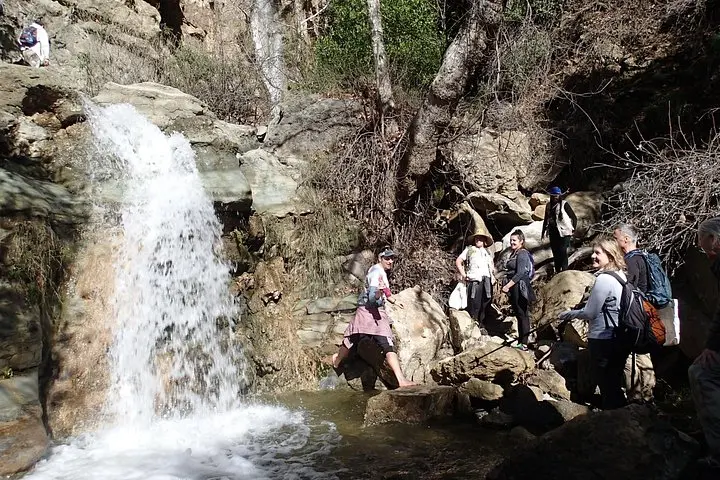
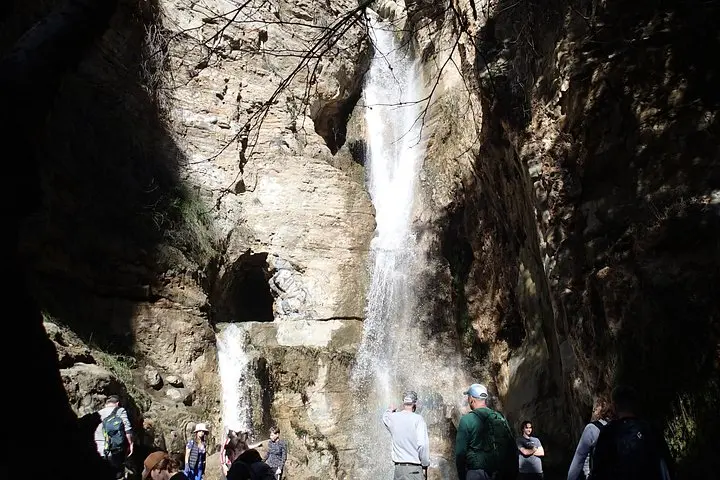
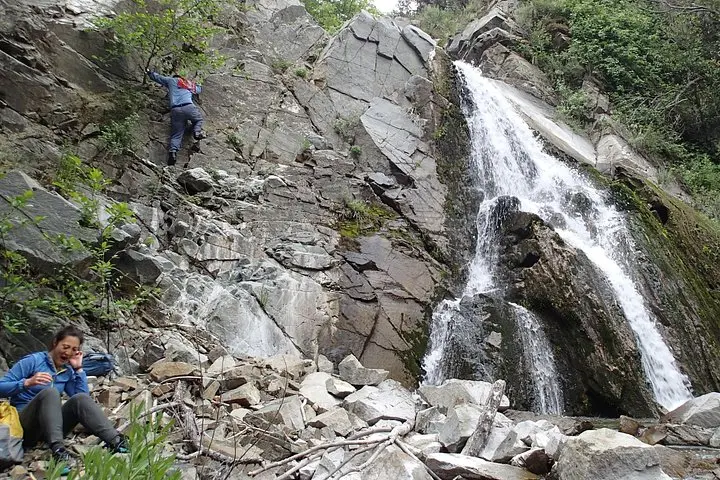
Tours range from 1‑3 hour family walks to strenuous all‑day canyon scrambles with creek crossings and waterfall views. Expect uneven terrain, sun exposure on ridgelines, poison oak in riparian zones and occasional rock scrambling over basalt. Guides teach edible and medicinal plant ID, birding by ear, and basic low‑impact foraging ethics; tastings may occur but are at participants’ risk.
Practical pointers: arrive early for cooler temperatures, bring 1–2 liters of water for short walks (more for longer canyon trips), wear closed-toe shoes with traction, carry sun protection and layered clothing, and be prepared for creek crossings and wet feet on riparian routes. Parking varies by trailhead—follow meeting instructions closely—and some preserves require passes. The experience balances natural history with hands‑on field skills to make local wildlands legible and usable for curious visitors.
Frequently asked questions
Meeting locations vary by route—park at designated lots or street parking as instructed in your confirmation and avoid incorrect intersections; some sites require adventure passes.
Yes—there are easy 1–3 hour family walks suitable for children; strenuous canyon and all‑day options are recommended for adults only.
Guides may offer tastings and show edible plants, but consuming wild foods is at your own risk and guided advice on ethics and safety will be given.
No experience is required for introductory walks; however, strenuous canyon trips require good fitness and comfort with creek crossings and uneven terrain.
About This Experience
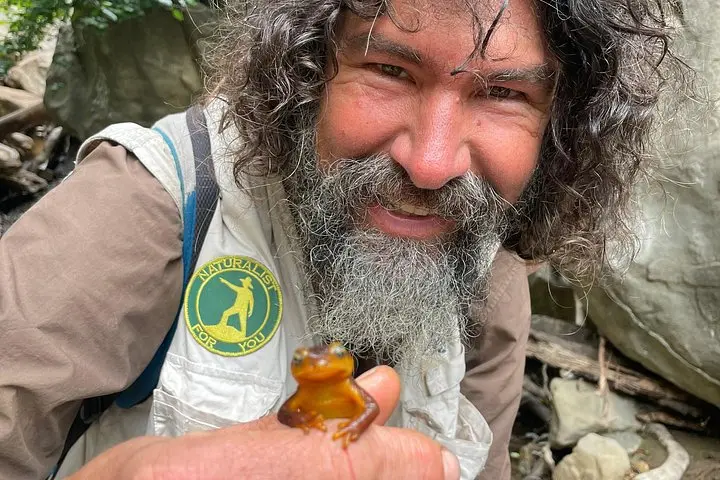
Naturalist For You operates guided outdoor trips and adventures with an emphasis on safety, stewardship, and memorable experiences.
Adventure tips
Recommended gear
- Water bottle or hydration bladder: Keeps you hydrated across exposed ridgelines and during creek scrambles.
- Sturdy hiking shoes: Provides traction on loose rock, basalt slabs and muddy creek crossings.
- Sun protection (hat, sunglasses, SPF)**: Full sun on coastal bluffs and ridges makes sun protection essential.
- Light rain shell or layers: Useful for coastal fog, brief showers and cooler mornings in winter/spring.
Photos of the experience
Related adventures & guides
Read the full experience
The sun rises over low coastal hills and the guide’s voice threads through sage and oak as a small group sets off from a neighborhood parking area near Anaheim. Early morning light picks out lichen on basalt boulders and the air smells of dry grasses; gullies hum with cicadas in summer and trickle with creek water after winter storms. Participants move at a guided pace—stopping, kneeling, and listening—to learn how to read the landscape.
The sun rises over low coastal hills and the guide’s voice threads through sage and oak as a small group sets off from a neighborhood parking area near Anaheim. Early morning light picks out lichen on basalt boulders and the air smells of dry grasses; gullies hum with cicadas in summer and trickle with creek water after winter storms. Participants move at a guided pace—stopping, kneeling, and listening—to learn how to read the landscape.
This region sits on landscape shaped by uplifted marine sediments, basalt outcrops, and alluvial fans. Indigenous Tongva and Acjachemen people maintained deep knowledge of these plant communities; today guides interpret both ethnobotany and modern conservation concerns. Southern California’s coastal sage scrub and oak woodland are biodiversity hotspots, home to species from gnatcatchers to mule deer, and threatened by development and invasive grasses.
Tours range from 1‑3 hour family walks to strenuous all‑day canyon scrambles with creek crossings and waterfall views. Expect uneven terrain, sun exposure on ridgelines, poison oak in riparian zones and occasional rock scrambling over basalt. Guides teach edible and medicinal plant ID, birding by ear, and basic low‑impact foraging ethics; tastings may occur but are at participants’ risk.
Practical pointers: arrive early for cooler temperatures, bring 1–2 liters of water for short walks (more for longer canyon trips), wear closed-toe shoes with traction, carry sun protection and layered clothing, and be prepared for creek crossings and wet feet on riparian routes. Parking varies by trailhead—follow meeting instructions closely—and some preserves require passes. The experience balances natural history with hands‑on field skills to make local wildlands legible and usable for curious visitors.
Make a day of it nearby.
Verified experiences and guided adventures in the surrounding area.