THE ADVENTURE COLLECTIVE® · Independent discovery and booking for outdoor travel

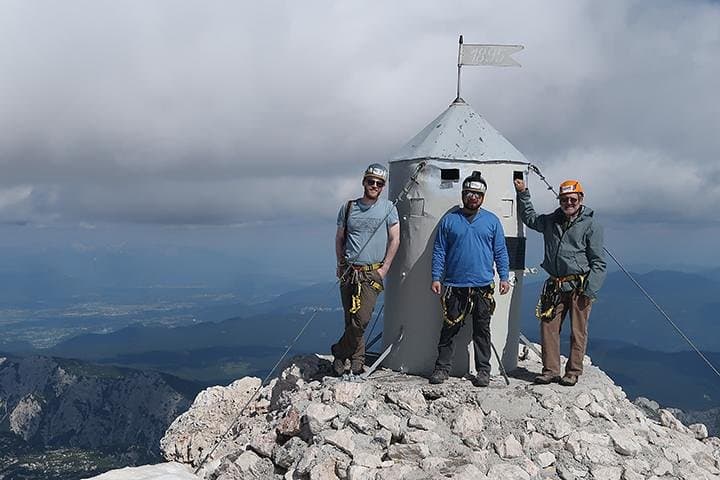
A two‑day guided ascent of Slovenia’s highest peak via ferrata from Krma Valley to the Aljaž Tower summit. Expect exposed limestone, IFMGA guides, and alpine hut meals at Kredarica.
A two‑day guided ascent of Slovenia’s highest peak via ferrata from Krma Valley to the Aljaž Tower summit. Expect exposed limestone, IFMGA guides, and alpine hut meals at Kredarica.
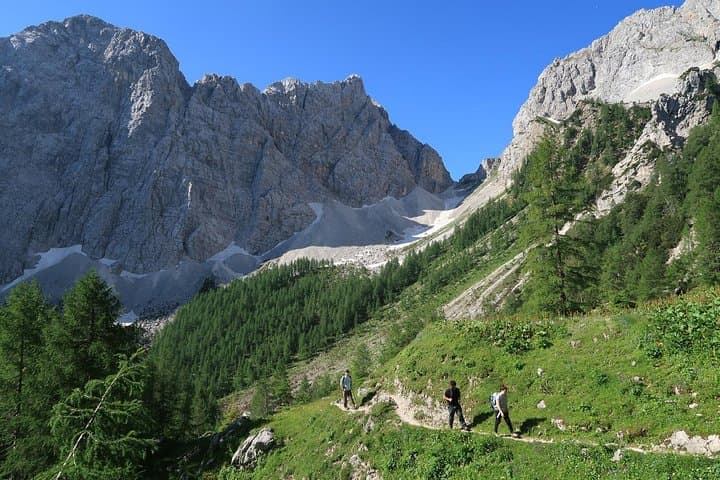
Dawn lifts off the limestone slopes of Krma Valley as the group straps into harnesses and steps onto the first forested switchbacks.
Verified experiences and guided adventures in the surrounding area.
Operated by Kofler sport-sport agency · Mojstrana, Upper Carniola (Gorenjska)
Dawn lifts off the limestone slopes of Krma Valley as the group straps into harnesses and steps onto the first forested switchbacks.
You climb out of the trees into harsh, pale rock; the path narrows. The air sharpens and the Julian Alps open like a map—Triglav’s peak a jagged punctuation above Kredarica hut. Guides clip you into via‑ferrata rails, voices steady against wind that seems to push you forward as if testing resolve.
Triglav (2,864 m) is Slovenia’s highest summit and a long-standing national emblem. Geologically it’s classic carbonate rock—soluble limestone shaped by ice and water—producing steep faces, narrow ridges and the famous North wall. The route runs through Triglav National Park, an area shaped by alpine shepherding, wartime stories and mountaineering tradition; reaching the Aljaž Tower on the summit is both a technical achievement and a cultural photo moment.
Practically: this is a two‑day guided climb with 1,500 m of elevation gain on day one and a summit push on day two (expect 5–7 hours and 7–10 hours of walking respectively). Guides provide helmets, harnesses and technical gear; you should be in strong cardiovascular shape, comfortable on exposed rock, and prepared for rapid weather change.
Pack waterproof layers, at least 2–3 liters of water, a headlamp and snacks; plan early starts to avoid afternoon storms. Overnight at Kredarica hut gives hot soups and a short recovery, but sleeping can be basic. Book with an IFMGA guide, respect trail closures inside the national park, and leave no trace—these are fragile high‑alpine slopes.
challenging.
2 days (active hiking ~12–17 hours total).
High cardiovascular fitness and leg strength; comfortable with exposure and sustained ascents.
No technical rock‑climbing experience is required, but you should be comfortable with exposure and basic via‑ferrata movements; guides train and supervise all climbers.
Expect sustained uphill hiking with exposed, laddered sections; total elevation gain across the two days is roughly 1,500 m on day one and the summit day adds steep, technical sections.
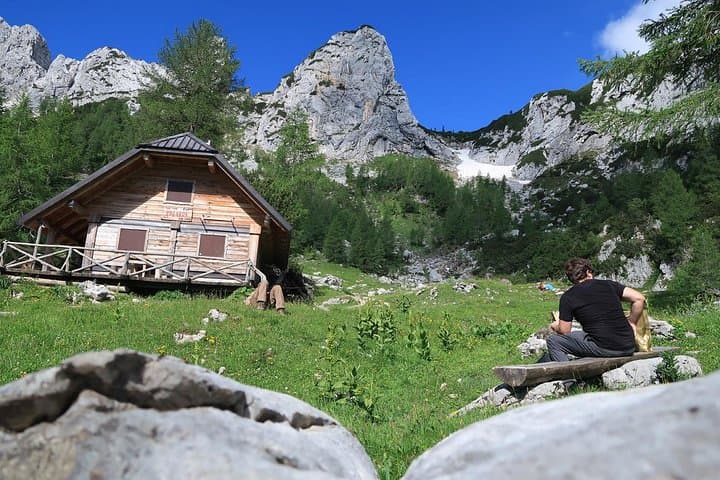
Overnight is typically at Triglavski dom on Kredarica (2,515 m)—a rustic mountain hut offering hot meals and basic bunks.
Late June through September is the guided season for stable weather and accessible ferrata; book early for peak summer weeks.
Triglav has been a national symbol for Slovenia since the 19th century and the Aljaž Tower on the summit is a cultural icon erected in 1895.
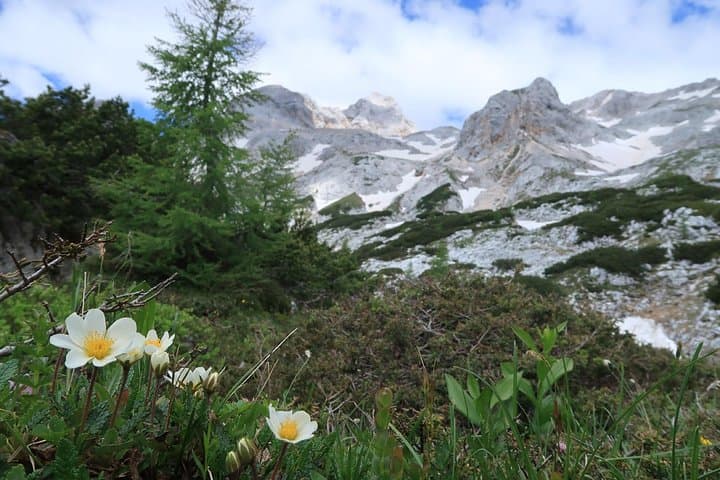
Triglav lies within Slovenia’s only national park—stick to marked trails, avoid camping outside huts, and follow Leave No Trace rules to protect fragile alpine flora.
Kofler sport-sport agency operates guided outdoor trips and adventures with an emphasis on safety, stewardship, and memorable experiences.
Dawn lifts off the limestone slopes of Krma Valley as the group straps into harnesses and steps onto the first forested switchbacks.
Dawn lifts off the limestone slopes of Krma Valley as the group straps into harnesses and steps onto the first forested switchbacks.
You climb out of the trees into harsh, pale rock; the path narrows. The air sharpens and the Julian Alps open like a map—Triglav’s peak a jagged punctuation above Kredarica hut. Guides clip you into via‑ferrata rails, voices steady against wind that seems to push you forward as if testing resolve.
Triglav (2,864 m) is Slovenia’s highest summit and a long-standing national emblem. Geologically it’s classic carbonate rock—soluble limestone shaped by ice and water—producing steep faces, narrow ridges and the famous North wall. The route runs through Triglav National Park, an area shaped by alpine shepherding, wartime stories and mountaineering tradition; reaching the Aljaž Tower on the summit is both a technical achievement and a cultural photo moment.
Practically: this is a two‑day guided climb with 1,500 m of elevation gain on day one and a summit push on day two (expect 5–7 hours and 7–10 hours of walking respectively). Guides provide helmets, harnesses and technical gear; you should be in strong cardiovascular shape, comfortable on exposed rock, and prepared for rapid weather change.
Pack waterproof layers, at least 2–3 liters of water, a headlamp and snacks; plan early starts to avoid afternoon storms. Overnight at Kredarica hut gives hot soups and a short recovery, but sleeping can be basic. Book with an IFMGA guide, respect trail closures inside the national park, and leave no trace—these are fragile high‑alpine slopes.