THE ADVENTURE COLLECTIVE® · Independent discovery and booking for outdoor travel

Stand where astronomy met power: a guided visit to Chichén Itzá brings Maya history, ritual and celestial engineering into clear focus. Learn what to expect, how to prepare, and where to look for the details that make this archaeological site exceptional.
Stand where astronomy met power: a guided visit to Chichén Itzá brings Maya history, ritual and celestial engineering into clear focus. Learn what to expect, how to prepare, and where to look for the details that make this archaeological site exceptional.
The morning light breaks over the Great Plaza and the Pyramid of Kukulcán looms like a stepped calendar, its shadow tracing daily and seasonal rhythms across carved stone. Visitors move in measured lines past colonnades and ball courts; heat and history press together as a guide’s voice unfolds stories of kings, priests and sky charts.
Verified experiences and guided adventures in the surrounding area.
Operated by Carlos Cutiz Tours · Pisté, Yucatán
The morning light breaks over the Great Plaza and the Pyramid of Kukulcán looms like a stepped calendar, its shadow tracing daily and seasonal rhythms across carved stone. Visitors move in measured lines past colonnades and ball courts; heat and history press together as a guide’s voice unfolds stories of kings, priests and sky charts.
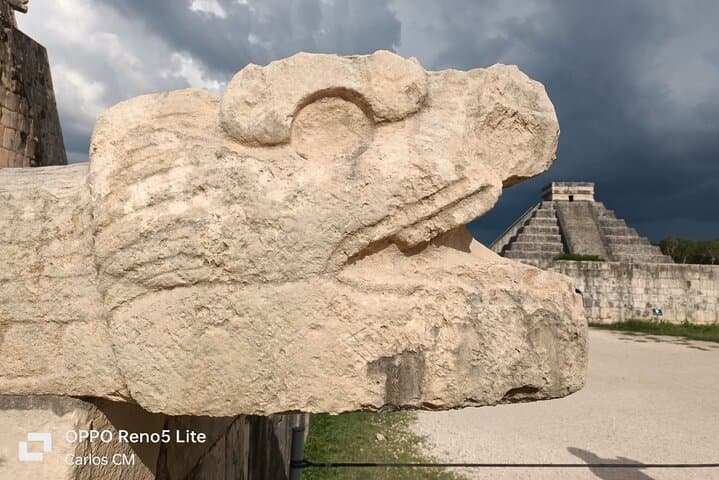
Chichén Itzá was a major Post‑Classic Maya city (roughly 9th–12th centuries) where architecture recorded astronomy and civic power. The limestone bedrock and cenote system beneath the site shaped settlement and ritual: water was both lifeline and offering. Carvings across columns and facades catalog trade, warfare and the ballgame, while the observatory known as El Caracol maps solstices and planetary cycles.
Local culture remains present in Pisté’s markets and in Yucatecan cuisine a short drive away; skilled guides translate glyphs and alignments into accessible science and story. The site’s scale rewards slow observation—notice erosion patterns, mortar repairs and the chirp of tropical birds that claim the ruins between tour groups.
Practical guidance: arrive early to avoid heat and crowds or book a guided slot; admission is typically arranged at the site if not included, and tours often provide bottled water and maps. Wear sturdy walking shoes on uneven stone, sun protection and bring a reusable bottle. Respect restricted zones—climbing is prohibited—and follow the guide to preserve fragile carvings. The site is largely flat and wheelchair accessible in main areas, but carry a light layer for breezy mornings and a hat for midday sun.
easy.
1–2 hours.
Suitable for most fitness levels; expect flat walking with short uneven stone sections
Admission is typically not included by default but guides can arrange skip‑line access or advise where to buy tickets; some bookings offer the option to pay on arrival.
Main visitor paths and key viewpoints are wheelchair accessible, and the operator notes stroller access; however some uneven areas and steps remain.
Guided visits are commonly 60–120 minutes—enough to cover the Great Plaza, Kukulcán, the ball court and the observatory at a measured pace.
Yes—operators describe the experience as suitable for all ages, with easy walking; check mobility needs in advance for customized pacing.
Chichén Itzá grew into a major Post‑Classic Maya center where astronomical observation and ceremonial architecture reinforced political power.
Visitor management and established paths protect fragile limestone carvings; avoid touching reliefs, support licensed guides and local businesses to sustain site stewardship.
Carlos Cutiz Tours operates guided outdoor trips and adventures with an emphasis on safety, stewardship, and memorable experiences.
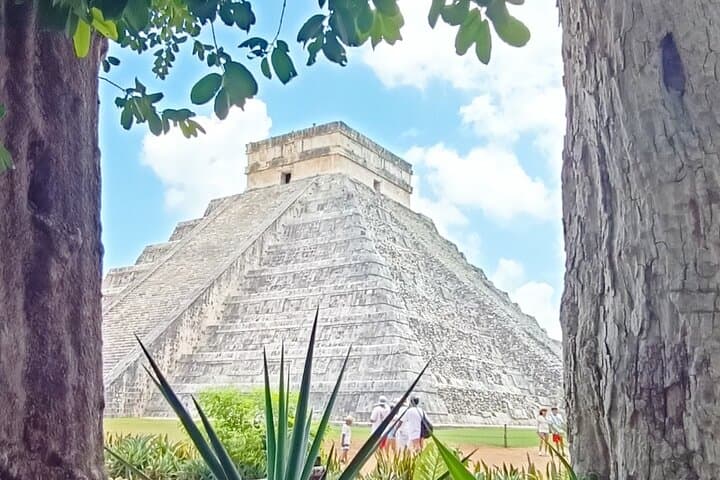
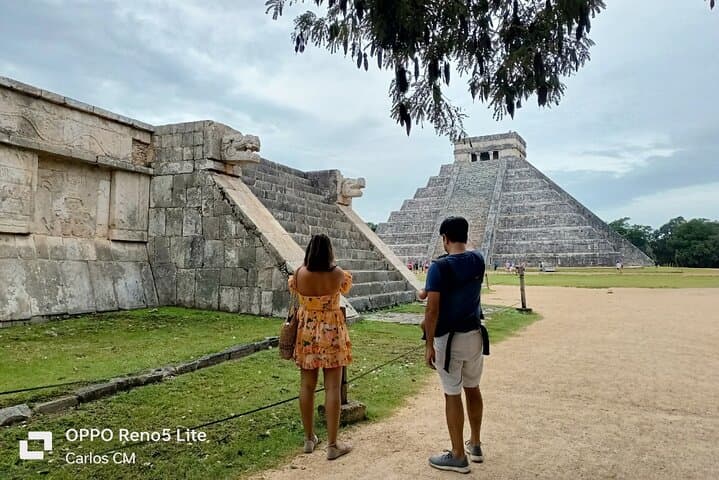
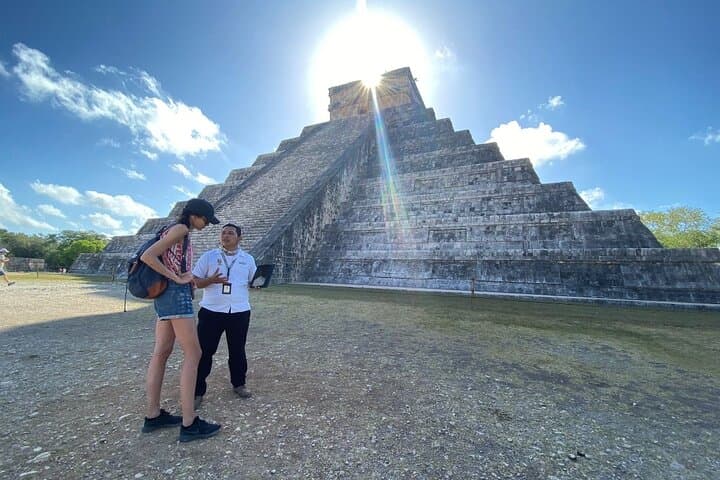
The morning light breaks over the Great Plaza and the Pyramid of Kukulcán looms like a stepped calendar, its shadow tracing daily and seasonal rhythms across carved stone. Visitors move in measured lines past colonnades and ball courts; heat and history press together as a guide’s voice unfolds stories of kings, priests and sky charts.
The morning light breaks over the Great Plaza and the Pyramid of Kukulcán looms like a stepped calendar, its shadow tracing daily and seasonal rhythms across carved stone. Visitors move in measured lines past colonnades and ball courts; heat and history press together as a guide’s voice unfolds stories of kings, priests and sky charts.
Chichén Itzá was a major Post‑Classic Maya city (roughly 9th–12th centuries) where architecture recorded astronomy and civic power. The limestone bedrock and cenote system beneath the site shaped settlement and ritual: water was both lifeline and offering. Carvings across columns and facades catalog trade, warfare and the ballgame, while the observatory known as El Caracol maps solstices and planetary cycles.
Local culture remains present in Pisté’s markets and in Yucatecan cuisine a short drive away; skilled guides translate glyphs and alignments into accessible science and story. The site’s scale rewards slow observation—notice erosion patterns, mortar repairs and the chirp of tropical birds that claim the ruins between tour groups.
Practical guidance: arrive early to avoid heat and crowds or book a guided slot; admission is typically arranged at the site if not included, and tours often provide bottled water and maps. Wear sturdy walking shoes on uneven stone, sun protection and bring a reusable bottle. Respect restricted zones—climbing is prohibited—and follow the guide to preserve fragile carvings. The site is largely flat and wheelchair accessible in main areas, but carry a light layer for breezy mornings and a hat for midday sun.