THE ADVENTURE COLLECTIVE® · Independent discovery and booking for outdoor travel

Leave the vehicle behind and learn to read the bush on a three-hour guided walk in Kruger National Park. Two professional rangers lead small groups, offering close but careful encounters with wildlife and lessons in tracking, safety and ecology.
Leave the vehicle behind and learn to read the bush on a three-hour guided walk in Kruger National Park. Two professional rangers lead small groups, offering close but careful encounters with wildlife and lessons in tracking, safety and ecology.
A low sun warms the grass as you step off the vehicle and into a quieter world—the scrub crackles, an elephant calls from a distance and two rangers tighten their formation. This three-hour game walk through Kruger National Park trades vehicle vantage points for the sharpened, step-by-step rhythm of the bush. You move slowly across open savanna, dry riverbeds and low rocky kopjes, scanning for tracks and listening for the small sounds that reveal larger secrets.
Verified experiences and guided adventures in the surrounding area.
Operated by Kruger Via Canyon Safaris · Hazyview, Mpumalanga
A low sun warms the grass as you step off the vehicle and into a quieter world—the scrub crackles, an elephant calls from a distance and two rangers tighten their formation. This three-hour game walk through Kruger National Park trades vehicle vantage points for the sharpened, step-by-step rhythm of the bush. You move slowly across open savanna, dry riverbeds and low rocky kopjes, scanning for tracks and listening for the small sounds that reveal larger secrets.
Kruger was set aside as a protected area in the late 19th century and its geology—ancient granite outcrops and sandy soils—creates the park’s mosaic of habitats. Cultural ties to local Tsonga and Shangaan communities remain visible at peripheral towns like Hazyview, where ranger skills and oral knowledge have informed modern guiding practices.
Expect roughly 3–5 km of walking, modest elevation changes (typically 50–150 m total), and uneven terrain: hard-packed tracks, sandy stretches and occasional thorny scrub. Guides carry radios and, on this offering, an armed rifle guide accompanies the party for safety; sightings of elephant, lion, buffalo, leopard and rhino are possible but never guaranteed.
Practically: wear long pants and sturdy boots, bring 1–2 liters of water, sun protection and binoculars. Mornings are cooler and most active for wildlife; heat and insects pick up after mid-morning. This walk is best for travelers with moderate fitness and a readiness to move quietly. The experience tightens your senses—tracks tell stories, birds announce presence, and the bush compels attention.
moderate.
3 hours.
Moderate—participants should be comfortable walking 3–5 km over uneven ground and able to keep a steady pace.
The Big Five are present in Kruger but sightings on foot are not guaranteed; the walk prioritizes safe, close-range encounters with signs, tracks and a range of species when conditions allow.
Minimum age and group-size restrictions apply; this tour requires a minimum of four people and is best for older children and teens with sufficient stamina—confirm with the operator for specific age limits.
Guides are professionally trained and the group is accompanied by an armed rifle guide; safety protocols, quiet movement and adherence to the guide’s instructions minimize risk.
Private transportation to the start and snacks are included; bring water, sturdy shoes, sun protection, insect repellent and any required permits or ID.
Kruger National Park dates to the late 19th century and was formalized to protect wildlife and conserve South Africa’s native ecosystems; ranger traditions combine colonial-era practices and local ecological knowledge.
Kruger enforces anti-poaching measures and limits on guided activities; stay on permitted walks, avoid littering and follow guide instructions to reduce disturbance to wildlife.
Kruger Via Canyon Safaris operates guided outdoor trips and adventures with an emphasis on safety, stewardship, and memorable experiences.
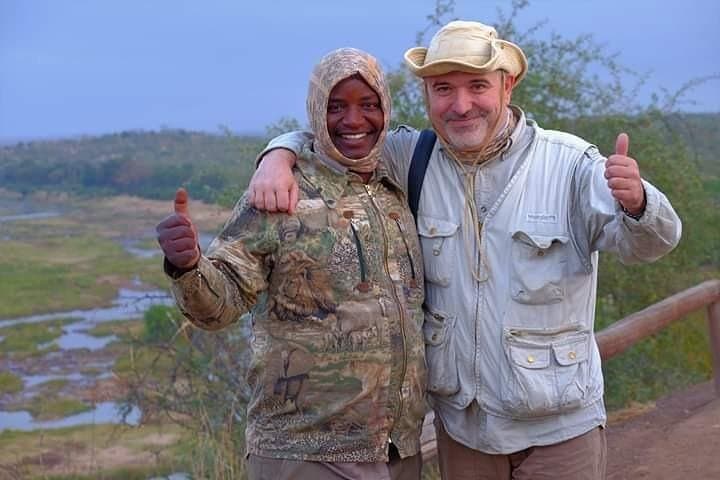
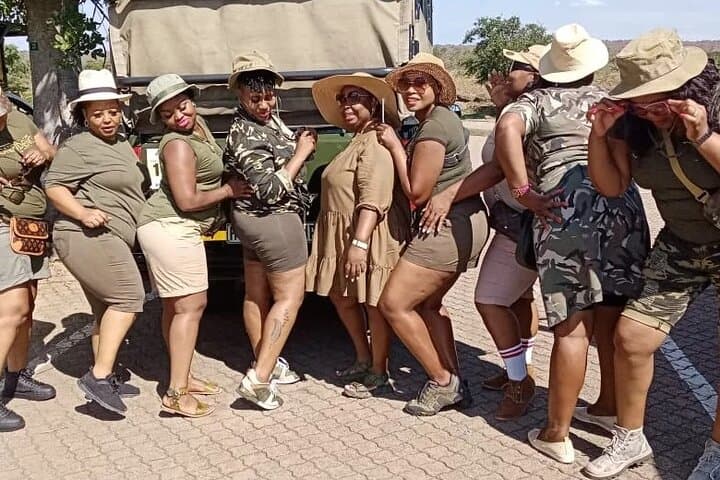
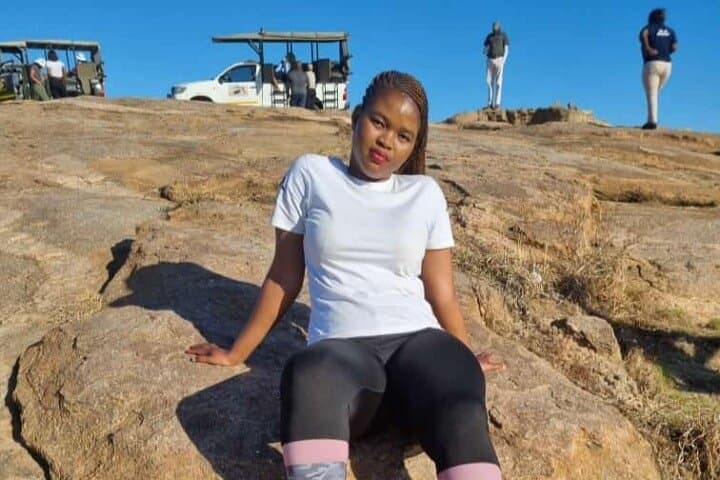
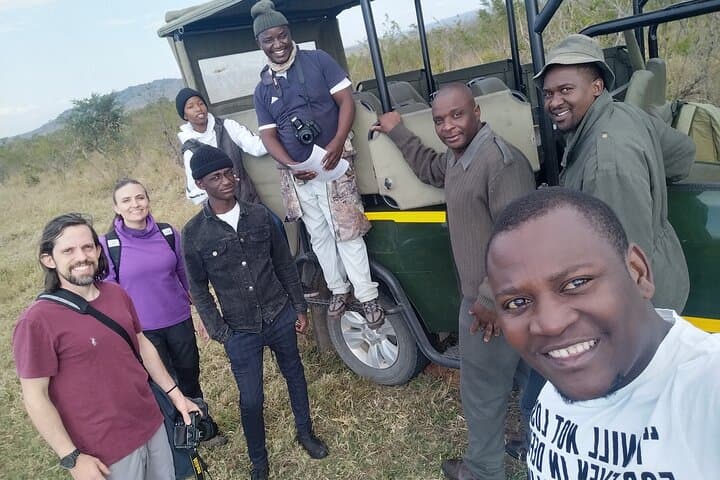
A low sun warms the grass as you step off the vehicle and into a quieter world—the scrub crackles, an elephant calls from a distance and two rangers tighten their formation. This three-hour game walk through Kruger National Park trades vehicle vantage points for the sharpened, step-by-step rhythm of the bush. You move slowly across open savanna, dry riverbeds and low rocky kopjes, scanning for tracks and listening for the small sounds that reveal larger secrets.
A low sun warms the grass as you step off the vehicle and into a quieter world—the scrub crackles, an elephant calls from a distance and two rangers tighten their formation. This three-hour game walk through Kruger National Park trades vehicle vantage points for the sharpened, step-by-step rhythm of the bush. You move slowly across open savanna, dry riverbeds and low rocky kopjes, scanning for tracks and listening for the small sounds that reveal larger secrets.
Kruger was set aside as a protected area in the late 19th century and its geology—ancient granite outcrops and sandy soils—creates the park’s mosaic of habitats. Cultural ties to local Tsonga and Shangaan communities remain visible at peripheral towns like Hazyview, where ranger skills and oral knowledge have informed modern guiding practices.
Expect roughly 3–5 km of walking, modest elevation changes (typically 50–150 m total), and uneven terrain: hard-packed tracks, sandy stretches and occasional thorny scrub. Guides carry radios and, on this offering, an armed rifle guide accompanies the party for safety; sightings of elephant, lion, buffalo, leopard and rhino are possible but never guaranteed.
Practically: wear long pants and sturdy boots, bring 1–2 liters of water, sun protection and binoculars. Mornings are cooler and most active for wildlife; heat and insects pick up after mid-morning. This walk is best for travelers with moderate fitness and a readiness to move quietly. The experience tightens your senses—tracks tell stories, birds announce presence, and the bush compels attention.