THE ADVENTURE COLLECTIVE® · Independent discovery and booking for outdoor travel

Walk quietly beneath gum trees to find koalas, wallabies and a living classroom on how fire shapes habitat. This 90-minute guided tour pairs close wildlife viewing with practical lessons in bushfire ecology on Kangaroo Island.
Walk quietly beneath gum trees to find koalas, wallabies and a living classroom on how fire shapes habitat. This 90-minute guided tour pairs close wildlife viewing with practical lessons in bushfire ecology on Kangaroo Island.
A low eucalypt breeze lifts the dust as you step from the carpark onto a shaded track. Within minutes the forest tightens: rough-barked gums lean over a narrow trail where koalas sleep in forked branches and kangaroos watch from the ferned edge. The guide points out a grey shape high above—silent, steady—and explains how fire and regeneration have shaped this landscape.
Verified experiences and guided adventures in the surrounding area.
Operated by Hanson Bay Wildlife Sanctuary · Kingscote, South Australia
A low eucalypt breeze lifts the dust as you step from the carpark onto a shaded track. Within minutes the forest tightens: rough-barked gums lean over a narrow trail where koalas sleep in forked branches and kangaroos watch from the ferned edge. The guide points out a grey shape high above—silent, steady—and explains how fire and regeneration have shaped this landscape.
Kangaroo Island was cut off from mainland Australia after the last ice age; its long isolation created unique pockets of wildlife. European sealing and later farming changed the coastline, while recent bushfires altered habitats and accelerated conservation work. Geologically the island is mostly ancient, weathered rock with coastal dunes and limestone shelves; culturally it holds both early European history and ongoing Indigenous connections to Country.
Expect a focused, 90-minute guided walk along compact tracks with some uneven roots and low rises—roughly 1–2 km at a slow observational pace. Guides combine wildlife spotting with plainspoken bushfire-ecology insights: how species survive heat, where new growth attracts wallabies, and which hollows matter most for koala recovery.
Practical notes: bring a full water bottle, binoculars and a camera with quiet shutter; wear sturdy, closed-toe shoes and sun protection. Small groups (up to about 11) keep disturbance low. The walk is suitable for most people with moderate fitness; mobility access is possible on parts of the site but check with the operator if you need full wheelchair access. If weather or fire risk is high the tour may cancel — the landscape is alive and sometimes decides for you.
moderate.
1–2 hours.
Suitable for people with moderate fitness; involves slow observational walking over uneven ground for 90 minutes.
The tour is approximately 90 minutes at a slow, interpretive pace focused on wildlife viewing; expect to cover about 1–2 km with stops for interpretation and photos.
No sightings can't be guaranteed—guides know habitual spots and seasonal behavior increases chances, but animals are wild and free to move.
Children are welcome; parts of the route are stroller-accessible but some sections have uneven ground—check with the operator if you plan to bring a stroller or mobility aid.
The operator may cancel tours for high fire risk or severe weather; full refunds are typically available if you cancel at least 24 hours in advance.
Kangaroo Island has been isolated since the last sea-level rise; European sealing and farming shaped its coast, and recent bushfires prompted intensive conservation efforts.
Visitors are asked to stay on paths, avoid feeding wildlife and follow guide instructions—these small actions reduce disturbance and help fragile post-fire recovery.
Hanson Bay Wildlife Sanctuary operates guided outdoor trips and adventures with an emphasis on safety, stewardship, and memorable experiences.
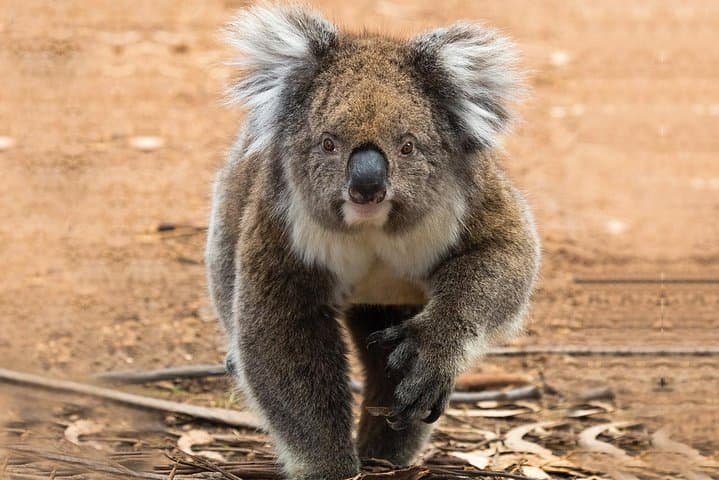
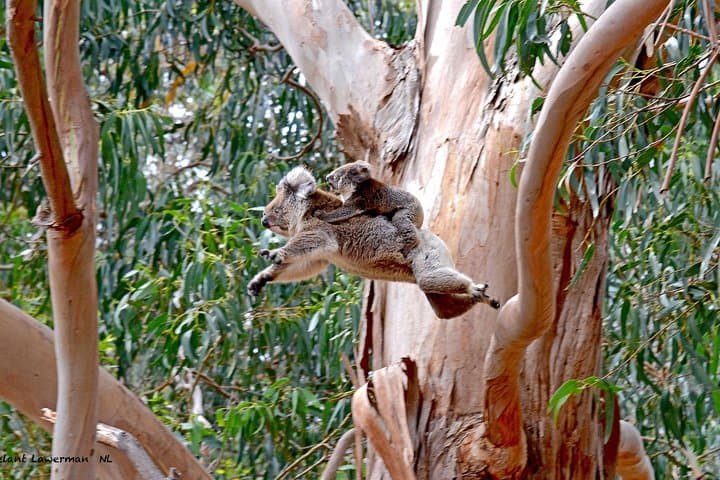
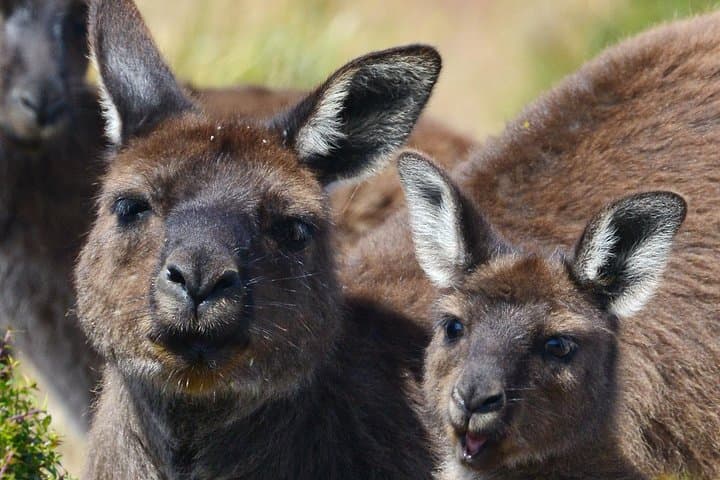
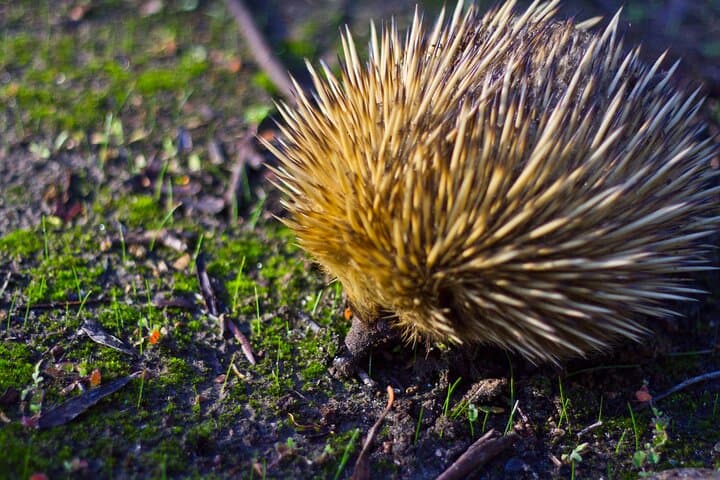
A low eucalypt breeze lifts the dust as you step from the carpark onto a shaded track. Within minutes the forest tightens: rough-barked gums lean over a narrow trail where koalas sleep in forked branches and kangaroos watch from the ferned edge. The guide points out a grey shape high above—silent, steady—and explains how fire and regeneration have shaped this landscape.
A low eucalypt breeze lifts the dust as you step from the carpark onto a shaded track. Within minutes the forest tightens: rough-barked gums lean over a narrow trail where koalas sleep in forked branches and kangaroos watch from the ferned edge. The guide points out a grey shape high above—silent, steady—and explains how fire and regeneration have shaped this landscape.
Kangaroo Island was cut off from mainland Australia after the last ice age; its long isolation created unique pockets of wildlife. European sealing and later farming changed the coastline, while recent bushfires altered habitats and accelerated conservation work. Geologically the island is mostly ancient, weathered rock with coastal dunes and limestone shelves; culturally it holds both early European history and ongoing Indigenous connections to Country.
Expect a focused, 90-minute guided walk along compact tracks with some uneven roots and low rises—roughly 1–2 km at a slow observational pace. Guides combine wildlife spotting with plainspoken bushfire-ecology insights: how species survive heat, where new growth attracts wallabies, and which hollows matter most for koala recovery.
Practical notes: bring a full water bottle, binoculars and a camera with quiet shutter; wear sturdy, closed-toe shoes and sun protection. Small groups (up to about 11) keep disturbance low. The walk is suitable for most people with moderate fitness; mobility access is possible on parts of the site but check with the operator if you need full wheelchair access. If weather or fire risk is high the tour may cancel — the landscape is alive and sometimes decides for you.