THE ADVENTURE COLLECTIVE® · Independent discovery and booking for outdoor travel

Traverse wind-carved sand ridges with a local guide who combines short hikes with environmental education about the dune fynbos and the aquifer that sustains it. Ideal for curious hikers who want hands-on natural history in a unique coastal landscape.
Traverse wind-carved sand ridges with a local guide who combines short hikes with environmental education about the dune fynbos and the aquifer that sustains it. Ideal for curious hikers who want hands-on natural history in a unique coastal landscape.
Morning light strips across the Atlantis Sand Dunes, throwing sharp contrast over wind-sculpted ridges. Each step sinks; each breath tastes of salt and scrub. The guide points out a trail of tiny tracks and explains how the wind and groundwater shape these dunes day by day, while a distant Atlantic breeze dares you to move faster.
Verified experiences and guided adventures in the surrounding area.
Operated by Breathless Nomad · Atlantis, Western Cape
Morning light strips across the Atlantis Sand Dunes, throwing sharp contrast over wind-sculpted ridges. Each step sinks; each breath tastes of salt and scrub. The guide points out a trail of tiny tracks and explains how the wind and groundwater shape these dunes day by day, while a distant Atlantic breeze dares you to move faster.
This reserve protects remnant coastal dune fynbos and an important local aquifer — systems that have sustained people and wildlife here for centuries. Geologically recent sand sheets over older coastal sediments create loose, shifting terrain; culturally, the dunes sit within a landscape shaped by agricultural expansion and recent conservation efforts aimed at saving endangered plants and the small animals that depend on them. Local guides focus on species identification, the aquifer’s role, and simple restoration techniques used on the reserve.
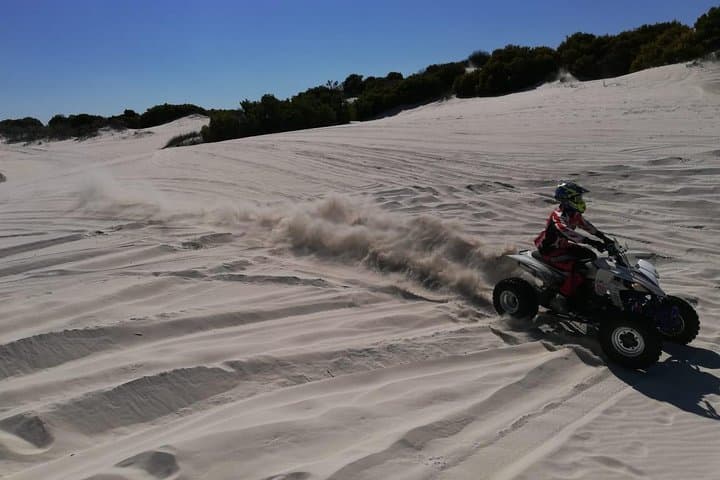
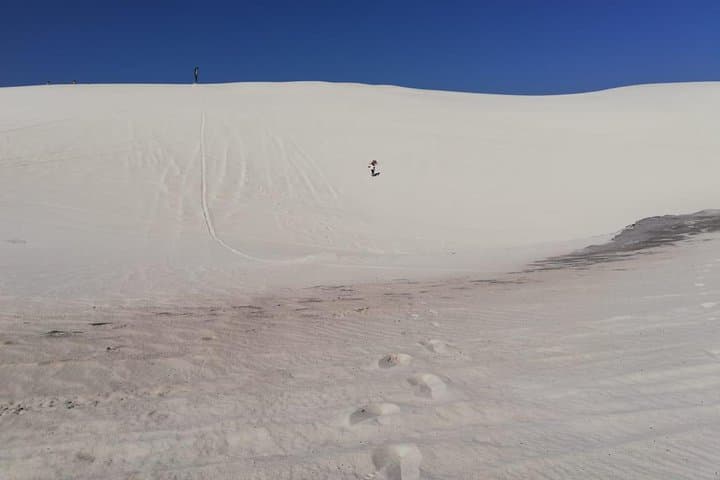
Expect a 60–90 minute, moderate walk across soft sand with short climbs and exposed stretches. Wear sturdy closed-toe shoes to prevent sand ingress, bring at least 1–2 liters of water, sun protection, and a light wind layer. The hike is educational as well as physical: guides pause to describe fynbos adaptations and the reserve’s groundwater monitoring. Optional add-ons like sandboarding and quad biking are available nearby but separate from the ecological tour.
Timing matters — visit early morning or late afternoon to avoid peak heat and maximize wildlife sightings. Stay on paths to protect regenerating vegetation, listen to your guide, and plan transport back to Atlantis or Cape Town; the reserve is remote enough that a reliable ride is part of a good outing.
moderate.
60–90 minutes.
Moderate fitness; comfortable walking on loose sand and short uphill sections is required
Tours run approximately 60–90 minutes, focused on short interpretive stops and steady walking across sand.
Yes — sandboarding and quad biking are offered as separate activities in the area; ask your operator to book them as add-ons before or after the educational hike.
Children can join but should be supervised; pets are not allowed except for service animals—check the operator’s policy in advance.
The terrain is loose sand with short climbs and is not recommended for travelers with spinal, heart, or other mobility restrictions.
The reserve protects coastal dune fynbos and groundwater resources—efforts driven by local conservation initiatives to safeguard endangered plants and the aquifer.
Visitors are asked to remain on trails, avoid disturbing regrowth, and carry out all litter; the reserve relies on low-impact recreation to fund restoration.
Breathless Nomad operates guided outdoor trips and adventures with an emphasis on safety, stewardship, and memorable experiences.
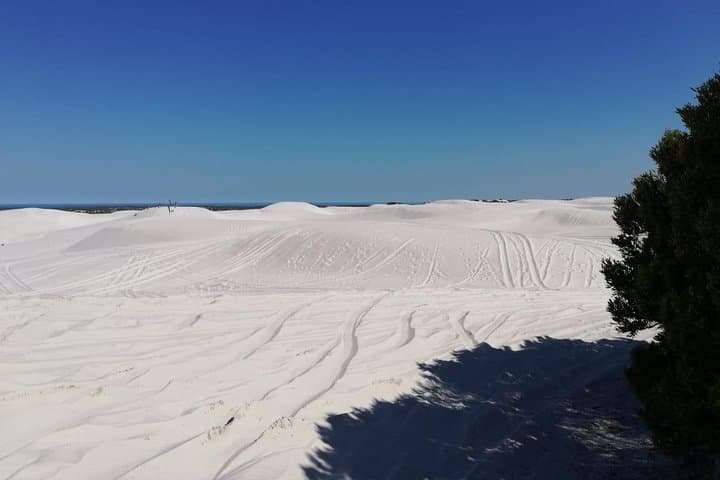
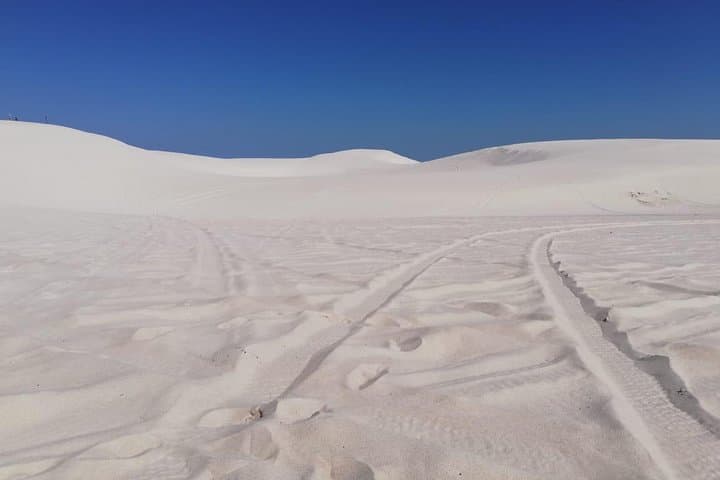
Morning light strips across the Atlantis Sand Dunes, throwing sharp contrast over wind-sculpted ridges. Each step sinks; each breath tastes of salt and scrub. The guide points out a trail of tiny tracks and explains how the wind and groundwater shape these dunes day by day, while a distant Atlantic breeze dares you to move faster.
Morning light strips across the Atlantis Sand Dunes, throwing sharp contrast over wind-sculpted ridges. Each step sinks; each breath tastes of salt and scrub. The guide points out a trail of tiny tracks and explains how the wind and groundwater shape these dunes day by day, while a distant Atlantic breeze dares you to move faster.
This reserve protects remnant coastal dune fynbos and an important local aquifer — systems that have sustained people and wildlife here for centuries. Geologically recent sand sheets over older coastal sediments create loose, shifting terrain; culturally, the dunes sit within a landscape shaped by agricultural expansion and recent conservation efforts aimed at saving endangered plants and the small animals that depend on them. Local guides focus on species identification, the aquifer’s role, and simple restoration techniques used on the reserve.
Expect a 60–90 minute, moderate walk across soft sand with short climbs and exposed stretches. Wear sturdy closed-toe shoes to prevent sand ingress, bring at least 1–2 liters of water, sun protection, and a light wind layer. The hike is educational as well as physical: guides pause to describe fynbos adaptations and the reserve’s groundwater monitoring. Optional add-ons like sandboarding and quad biking are available nearby but separate from the ecological tour.
Timing matters — visit early morning or late afternoon to avoid peak heat and maximize wildlife sightings. Stay on paths to protect regenerating vegetation, listen to your guide, and plan transport back to Atlantis or Cape Town; the reserve is remote enough that a reliable ride is part of a good outing.