THE ADVENTURE COLLECTIVE® · Independent discovery and booking for outdoor travel

A half-day guided hike from Denver that visits three high-elevation lakes in the Front Range. Expect 4–6 miles, 9,000–12,000 ft trailheads, alpine wildflowers, and seasonal snowfields—perfect for hikers seeking classic Rocky Mountain scenery without technical climbing.
A half-day guided hike from Denver that visits three high-elevation lakes in the Front Range. Expect 4–6 miles, 9,000–12,000 ft trailheads, alpine wildflowers, and seasonal snowfields—perfect for hikers seeking classic Rocky Mountain scenery without technical climbing.
You step out of a grey minivan onto a narrow trailhead road and the valley exhales: cold, pine-scented air that pricks the face and makes each step feel sharper. The path climbs through a patchwork of subalpine forest, opens into a wildflower-filled basin, and drops into a bowl where a clear lake catches the sky.
Verified experiences and guided adventures in the surrounding area.
Operated by Amazing Adventures · Nederland, Colorado
You step out of a grey minivan onto a narrow trailhead road and the valley exhales: cold, pine-scented air that pricks the face and makes each step feel sharper. The path climbs through a patchwork of subalpine forest, opens into a wildflower-filled basin, and drops into a bowl where a clear lake catches the sky.
These hikes trace glacially carved basins of the Front Range, where ice once gouged shallow cirques and left behind a chain of small, high-elevation lakes. The area sits within lands long used by Plains and mountain tribes for seasonal travel and hunting; later, miners and early recreational visitors established the rough trail network still in use.
Expect variable terrain: packed dirt, talus fields, and short steeps. Typical routes range 4–6 miles round trip with net elevation changes that commonly reach 1,000–2,500 ft, putting trailheads between about 9,000 and 12,000 ft. On clear days the lakes reflect ridgelines; in early season you’ll cross lingering snowfields and late wildflower displays.
Practical guidance: start early to avoid thunderstorms and heavy afternoon traffic, carry at least 2 liters of water per person, and layer for fast temperature swings. A guided outing usually includes water and a boxed lunch and a local driver who handles the 1–1.5 hour transfer from Denver. If you’re sensitive to altitude, plan a slow first day in town and hydrate the night before.
This half-day hike is ideal for hikers in reasonable shape who want alpine scenery without technical climbing—just be ready for thinner air, changing footing, and stunning, close-range mountain views.
moderate.
3–6 hours.
Good cardiovascular fitness and the ability to hike on uneven ground with sustained climbs at altitude.
Most trailheads used on this tour are about a 1 to 1.5 hour drive from Denver, depending on traffic and the specific lake chosen.
Yes — as long as you have moderate fitness and no serious altitude concerns; the routes avoid technical climbing but include steady uphill sections.
Snow is common at higher trailheads through late spring and sometimes into June; guides choose lower-elevation lakes when upper routes remain snowbound.
Guides typically include bottled water and offer a simple lunch (sandwich and chips) or can plan a stop for food along the way.
These basins were shaped by Pleistocene glaciers; later, the Front Range saw seasonal use by Native tribes and miners who created the early access routes.
Trails sit in sensitive alpine ecosystems—stick to durable surfaces, pack out all waste, and avoid disturbing fragile wildflowers and grasses.
Amazing Adventures operates guided outdoor trips and adventures with an emphasis on safety, stewardship, and memorable experiences.

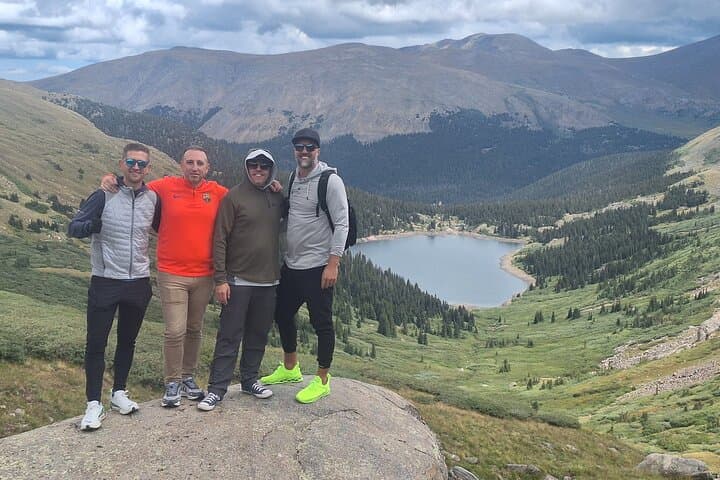


You step out of a grey minivan onto a narrow trailhead road and the valley exhales: cold, pine-scented air that pricks the face and makes each step feel sharper. The path climbs through a patchwork of subalpine forest, opens into a wildflower-filled basin, and drops into a bowl where a clear lake catches the sky.
You step out of a grey minivan onto a narrow trailhead road and the valley exhales: cold, pine-scented air that pricks the face and makes each step feel sharper. The path climbs through a patchwork of subalpine forest, opens into a wildflower-filled basin, and drops into a bowl where a clear lake catches the sky.
These hikes trace glacially carved basins of the Front Range, where ice once gouged shallow cirques and left behind a chain of small, high-elevation lakes. The area sits within lands long used by Plains and mountain tribes for seasonal travel and hunting; later, miners and early recreational visitors established the rough trail network still in use.
Expect variable terrain: packed dirt, talus fields, and short steeps. Typical routes range 4–6 miles round trip with net elevation changes that commonly reach 1,000–2,500 ft, putting trailheads between about 9,000 and 12,000 ft. On clear days the lakes reflect ridgelines; in early season you’ll cross lingering snowfields and late wildflower displays.
Practical guidance: start early to avoid thunderstorms and heavy afternoon traffic, carry at least 2 liters of water per person, and layer for fast temperature swings. A guided outing usually includes water and a boxed lunch and a local driver who handles the 1–1.5 hour transfer from Denver. If you’re sensitive to altitude, plan a slow first day in town and hydrate the night before.
This half-day hike is ideal for hikers in reasonable shape who want alpine scenery without technical climbing—just be ready for thinner air, changing footing, and stunning, close-range mountain views.