THE ADVENTURE COLLECTIVE® · Independent discovery and booking for outdoor travel

Scale one of the world’s largest coastal monoliths on a guided, rope‑assisted ascent through Tijuca Forest. This challenging 4‑hour hike ends with sweeping views of Rio’s coastline and city landmarks.
Scale one of the world’s largest coastal monoliths on a guided, rope‑assisted ascent through Tijuca Forest. This challenging 4‑hour hike ends with sweeping views of Rio’s coastline and city landmarks.
You step out of the van and the forest takes hold — humid air, the smell of wet earth, and a slope that looks suddenly, insistently vertical. The trail to Pedra da Gávea narrows, the trees thin, and the rock ahead seems to lean toward you, daring you to climb.
Verified experiences and guided adventures in the surrounding area.
Operated by RIO PASSEIOS EXPERIENCE · Rio de Janeiro, Rio de Janeiro
You step out of the van and the forest takes hold — humid air, the smell of wet earth, and a slope that looks suddenly, insistently vertical. The trail to Pedra da Gávea narrows, the trees thin, and the rock ahead seems to lean toward you, daring you to climb.
Pedra da Gávea is an 842‑metre monolith that crowns the western edge of Rio’s Tijuca Forest. Geologically it’s granite and gneiss, a single mass carved by erosion and time; culturally it’s wrapped in stories — from Indigenous myths to the curious faces and marks visitors debate on the cliff. The surrounding Tijuca Forest is a rare urban rainforest, replanted in the 19th century to restore the city’s watershed and now a protected national park.
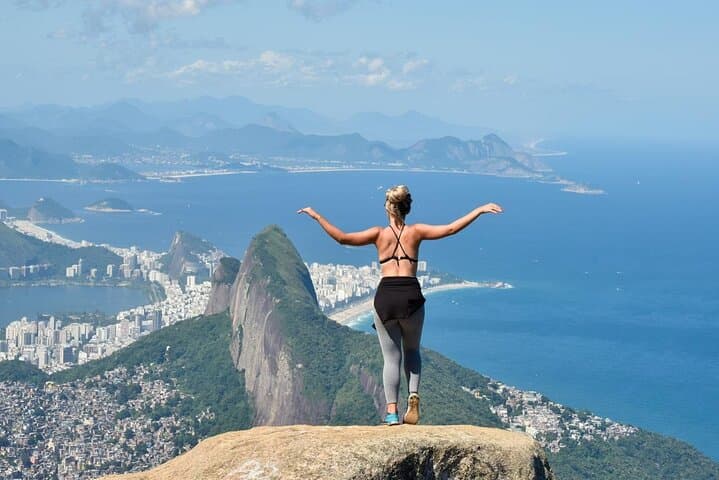
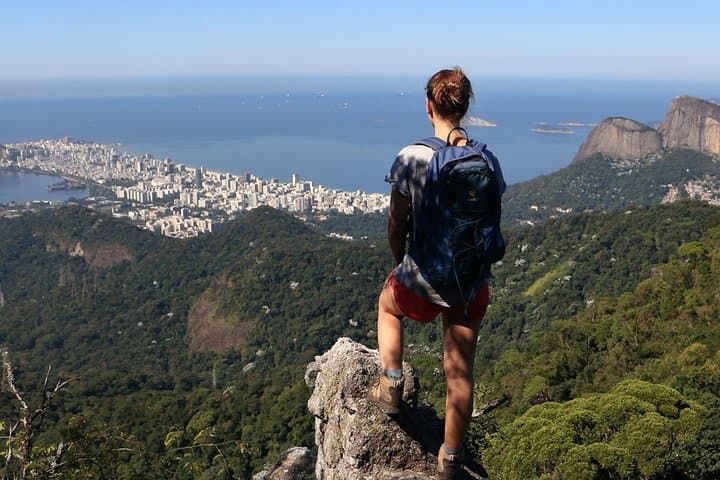
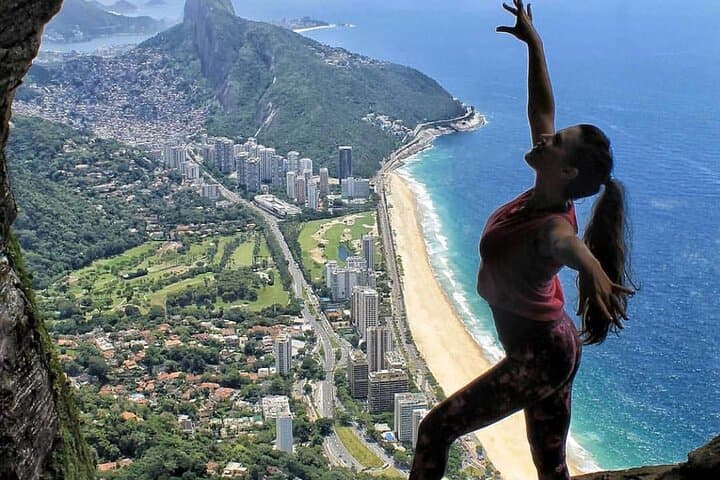
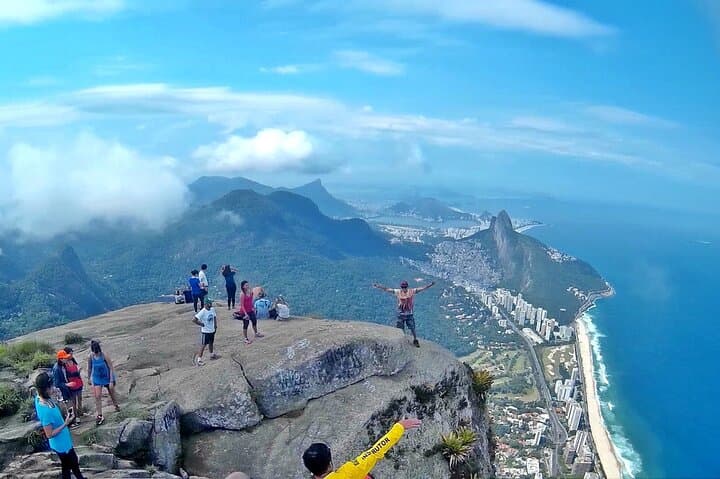
Expect 1.5 km of steep, exposed ascent with a short section called the carrasqueira — a near-vertical chimney where guides use rock‑techniques to assist climbers. The summit widens into a panoramic stage: the Atlantic on one side, Barra’s beaches and the silhouettes of Sugarloaf and Corcovado across the city. Winds push at you; sea spray perfumes the air even at height.
Practical guidance: carry 2–3 litres of water, wear grippy hiking shoes and gloves for the carrasqueira, and let the guide manage the technical rope work during the descent. Start early to avoid midday heat and peak crowds; weather can close the route for safety. The route rewards effort with views few urban hikes can match — a raw, physical climb into Rio’s geological heart.
challenging.
4 hours.
Good cardiovascular fitness and comfort with sustained uphill scrambling and exposed rock sections; prior hiking experience recommended
The route includes steep hiking and a short vertical chimney (carrasqueira) that requires scrambling; guides assist with rope techniques, but participants should be fit and comfortable on exposed terrain.
No formal climbing experience is required — the guide provides technical support for the climbing section — but you should have solid hiking experience and no fear of heights.
Yes — heavy rain, strong winds, or storms can close the route for safety; operators often cancel or reschedule in bad conditions and offer refunds per policy.
Transport is included via licensed vehicles, but pickups from Barra da Tijuca and Recreio may not be included; confirm pickup details when booking and expect WhatsApp confirmation the day before.
Pedra da Gávea sits within Tijuca Forest, one of the world’s largest urban rainforests, largely replanted in the mid‑1800s to restore Rio’s water supply and landscape.
Stay on marked trails, pack out all trash, and avoid feeding wildlife; Tijuca National Park is protected and trail erosion is a persistent concern.
RIO PASSEIOS EXPERIENCE operates guided outdoor trips and adventures with an emphasis on safety, stewardship, and memorable experiences.
You step out of the van and the forest takes hold — humid air, the smell of wet earth, and a slope that looks suddenly, insistently vertical. The trail to Pedra da Gávea narrows, the trees thin, and the rock ahead seems to lean toward you, daring you to climb.
You step out of the van and the forest takes hold — humid air, the smell of wet earth, and a slope that looks suddenly, insistently vertical. The trail to Pedra da Gávea narrows, the trees thin, and the rock ahead seems to lean toward you, daring you to climb.
Pedra da Gávea is an 842‑metre monolith that crowns the western edge of Rio’s Tijuca Forest. Geologically it’s granite and gneiss, a single mass carved by erosion and time; culturally it’s wrapped in stories — from Indigenous myths to the curious faces and marks visitors debate on the cliff. The surrounding Tijuca Forest is a rare urban rainforest, replanted in the 19th century to restore the city’s watershed and now a protected national park.
Expect 1.5 km of steep, exposed ascent with a short section called the carrasqueira — a near-vertical chimney where guides use rock‑techniques to assist climbers. The summit widens into a panoramic stage: the Atlantic on one side, Barra’s beaches and the silhouettes of Sugarloaf and Corcovado across the city. Winds push at you; sea spray perfumes the air even at height.
Practical guidance: carry 2–3 litres of water, wear grippy hiking shoes and gloves for the carrasqueira, and let the guide manage the technical rope work during the descent. Start early to avoid midday heat and peak crowds; weather can close the route for safety. The route rewards effort with views few urban hikes can match — a raw, physical climb into Rio’s geological heart.