THE ADVENTURE COLLECTIVE® · Independent discovery and booking for outdoor travel

Spend a day on a guided hike to the Three Peaks of Lavaredo and Lake Misurina in the Dolomites. This six-hour trek combines bold limestone ridges, WWI history and rifugio hospitality for a compact, high-alpine experience.
Spend a day on a guided hike to the Three Peaks of Lavaredo and Lake Misurina in the Dolomites. This six-hour trek combines bold limestone ridges, WWI history and rifugio hospitality for a compact, high-alpine experience.
The trail opens under a hard alpine sky; limestone walls rise like folded pages and the Three Peaks of Lavaredo stand blunt and uncompromising, catching the morning sun. You follow a high, rocky band of path, the wind reading your pace and the guide pointing out scars where glaciers once carved the rock.
Verified experiences and guided adventures in the surrounding area.
Operated by GUSELA TRAVEL · Cortina d'Ampezzo, Veneto
The trail opens under a hard alpine sky; limestone walls rise like folded pages and the Three Peaks of Lavaredo stand blunt and uncompromising, catching the morning sun. You follow a high, rocky band of path, the wind reading your pace and the guide pointing out scars where glaciers once carved the rock.
This is the Dolomites — a UNESCO World Heritage range born of ancient coral reefs uplifted and fractured into jagged spires. World War I left traces here: stone bunkers and mule tracks that now channel hikers past lakes, scree slopes and open ridgelines toward Misurina’s reflective basin.
Local culture still orients around mountain huts (rifugi), where shepherding and alpine crafts shaped food and routes. Guides interpret geology and folklore, translating raw rock into stories of tectonic fury and pastoral life.
Expect a full-day, moderately paced loop or point-to-point hike (about 6 hours) with steady climbs, short exposed sections and broad viewpoints. Terrain alternates firm dirt, rocky slabs and loose scree; proper boots and trekking poles matter. Early starts beat crowds and bring golden light to the faces. Midday can be warm, but weather flips quickly — afternoon storms are common in summer.
Practical essentials: carry 2–3 liters of water, windproof layers, sun protection and snacks; keep a map or follow your guide’s route. Respect trail etiquette, stay on marked routes, and mind rifugio opening hours if you plan breaks. For committed hikers, the Three Peaks deliver raw, physical scenery and a clear sense of place — mountains that test your legs and reward your view.
moderate.
6 hours.
Good aerobic fitness with experience on uneven, rocky trails; able to sustain steady ascents and descents for several hours.
It's moderate: steady climbs, rocky terrain and some exposed viewpoints, suitable for hikers with previous mountain experience and a moderate fitness level.
Most guided departures meet near the road to Rifugio Auronzo or at a meeting point in Cortina d'Ampezzo; confirm exact pick-up with the operator.
No special permit is required, though some access roads to rifugi may have tolls or summer parking fees; park and road rules vary by season.
Operators often cancel or reschedule for safety if storms or heavy snow threaten; check cancellation policy and pack for quick weather shifts.
The Dolomites record marine sediment uplift and were frontlines in WWI — paths and bunkers remain part of the landscape and the local memory.
Trails are sensitive to erosion and human impact; stick to marked routes, pack out waste and support local rifugi that follow low-impact practices.
GUSELA TRAVEL operates guided outdoor trips and adventures with an emphasis on safety, stewardship, and memorable experiences.
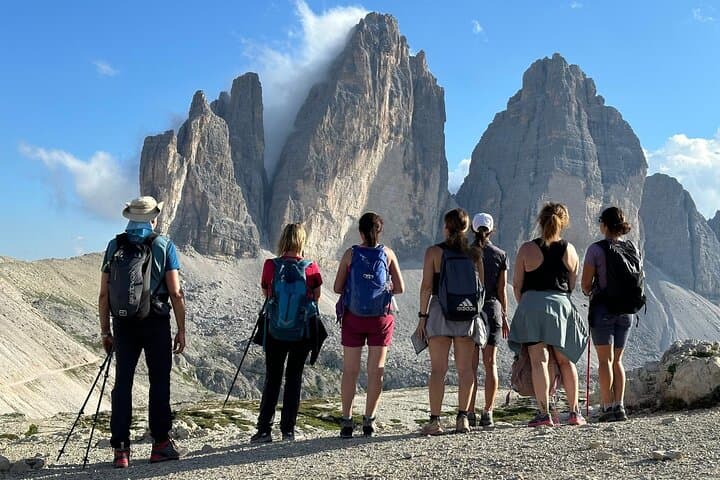
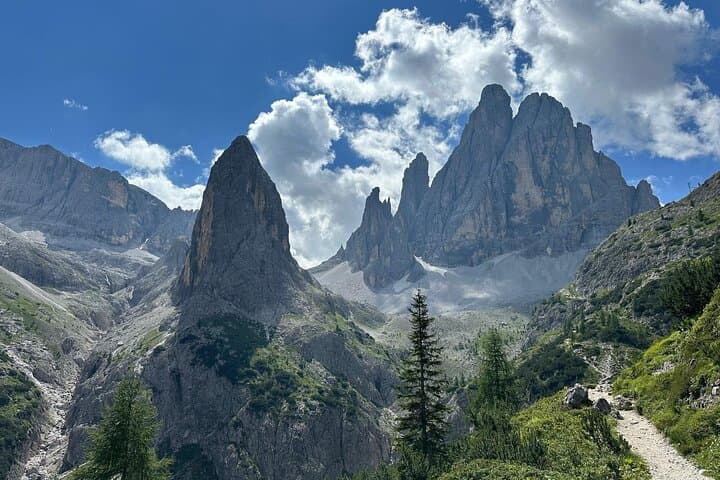
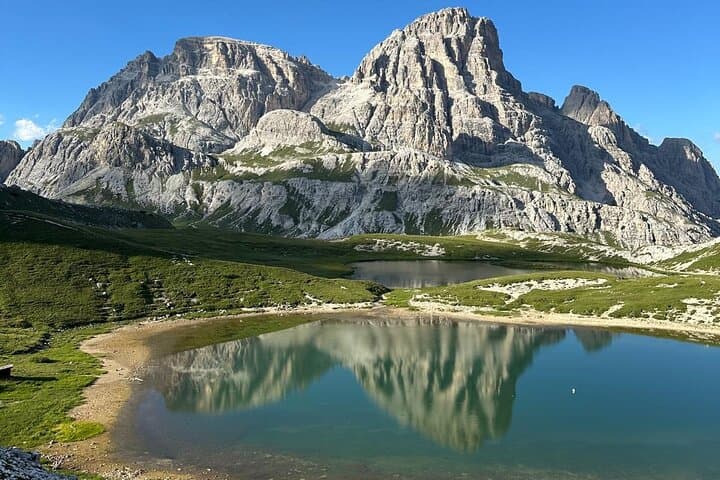
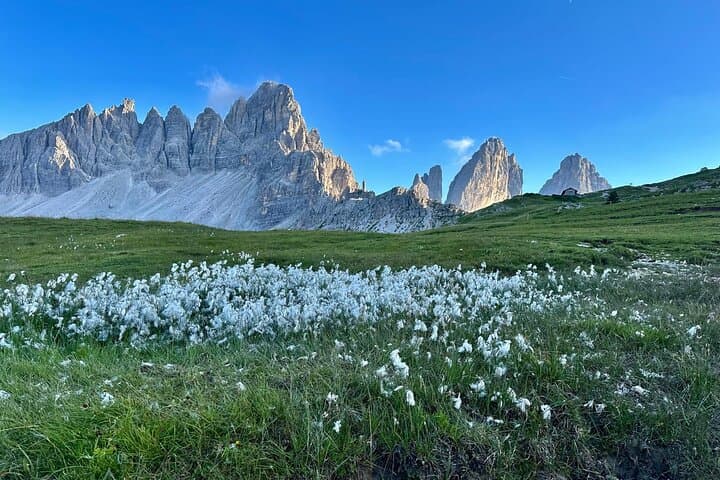
The trail opens under a hard alpine sky; limestone walls rise like folded pages and the Three Peaks of Lavaredo stand blunt and uncompromising, catching the morning sun. You follow a high, rocky band of path, the wind reading your pace and the guide pointing out scars where glaciers once carved the rock.
The trail opens under a hard alpine sky; limestone walls rise like folded pages and the Three Peaks of Lavaredo stand blunt and uncompromising, catching the morning sun. You follow a high, rocky band of path, the wind reading your pace and the guide pointing out scars where glaciers once carved the rock.
This is the Dolomites — a UNESCO World Heritage range born of ancient coral reefs uplifted and fractured into jagged spires. World War I left traces here: stone bunkers and mule tracks that now channel hikers past lakes, scree slopes and open ridgelines toward Misurina’s reflective basin.
Local culture still orients around mountain huts (rifugi), where shepherding and alpine crafts shaped food and routes. Guides interpret geology and folklore, translating raw rock into stories of tectonic fury and pastoral life.
Expect a full-day, moderately paced loop or point-to-point hike (about 6 hours) with steady climbs, short exposed sections and broad viewpoints. Terrain alternates firm dirt, rocky slabs and loose scree; proper boots and trekking poles matter. Early starts beat crowds and bring golden light to the faces. Midday can be warm, but weather flips quickly — afternoon storms are common in summer.
Practical essentials: carry 2–3 liters of water, windproof layers, sun protection and snacks; keep a map or follow your guide’s route. Respect trail etiquette, stay on marked routes, and mind rifugio opening hours if you plan breaks. For committed hikers, the Three Peaks deliver raw, physical scenery and a clear sense of place — mountains that test your legs and reward your view.