THE ADVENTURE COLLECTIVE® · Independent discovery and booking for outdoor travel

Climb the Eiffel Tower with a guide on a stair ascent to the 2nd floor, then optionally continue to the summit by elevator. This small-group tour combines history, skyline views and practical tips for beating lines and managing the stairs.
Climb the Eiffel Tower with a guide on a stair ascent to the 2nd floor, then optionally continue to the summit by elevator. This small-group tour combines history, skyline views and practical tips for beating lines and managing the stairs.
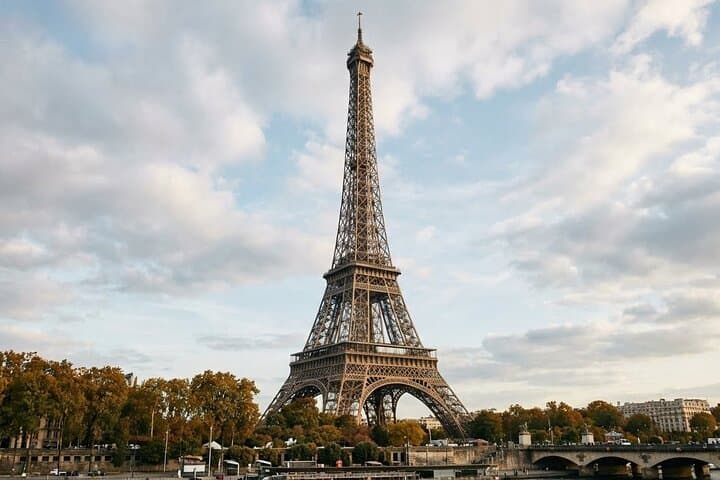
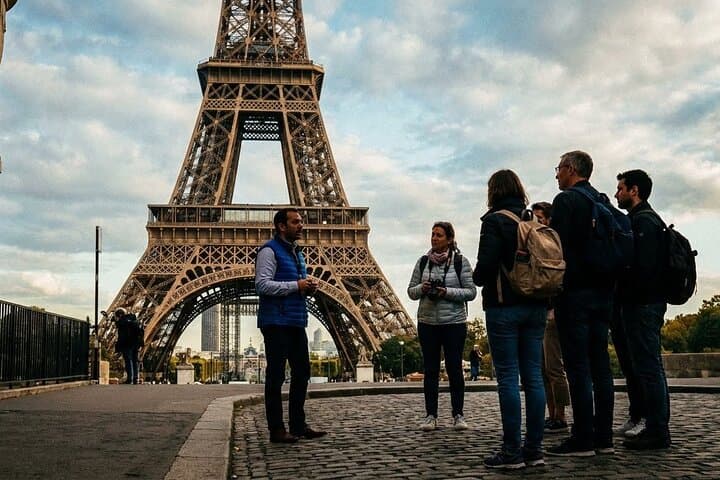
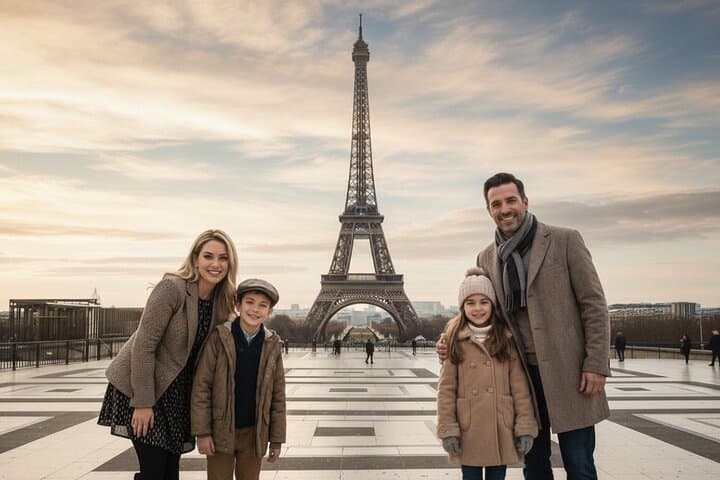
The tour begins beneath the iron lattice as the Seine breezes past and Paris unfolds in layered rooftops and wide boulevards. Guides gather the small group outside the tower’s foot; shoes meet stone, voices drop to a walk as the first flight of stairs leads upward. The climb favors the persistent: stairs replace elevators, and the city slowly widens beneath you until the tiled roofs and the river are a living map.
Verified experiences and guided adventures in the surrounding area.
Operated by Uncle Sam Tours · Paris, Île-de-France
The tour begins beneath the iron lattice as the Seine breezes past and Paris unfolds in layered rooftops and wide boulevards. Guides gather the small group outside the tower’s foot; shoes meet stone, voices drop to a walk as the first flight of stairs leads upward. The climb favors the persistent: stairs replace elevators, and the city slowly widens beneath you until the tiled roofs and the river are a living map.
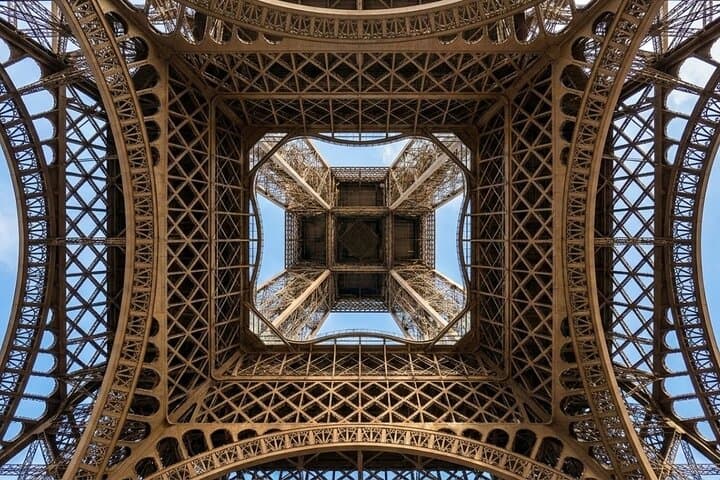
Constructed for the 1889 Exposition and engineered by Gustave Eiffel's company, the tower is as much industrial history as viewpoint. The second floor sits roughly 115 meters above ground—an iron balcony that frames Haussmann avenues and the distant Sacré-Cœur. Below, the Seine dares you to follow its curve toward Île de la Cité; above, the summit waits by elevator for those who opt to continue.
Expect a mix of physical exertion and cultural richness: security checks, interpretive stories about construction and wartime history, and the odd street musician playing accordion on the Champ de Mars. Practical planning pays off—book early morning slots to reduce queues, carry a light daypack and a fully charged camera, and be ready to pivot if summit access is closed by authorities.
This experience is equal parts urban hike and heritage visit: it rewards curiosity, steady legs, and a willingness to trade an elevator ride for the slow reveal of Paris from its iron bones.
moderate.
2 hours.
Requires a moderate level of fitness—comfortable climbing multiple flights of stairs and standing for views.
This tour climbs the stairs to the 2nd floor (about 115 m); summit access is by elevator and managed by tower authorities—it may be closed on the day.
Infants in strollers are allowed in parts, but the stair climb requires mobility and balance; it’s not recommended for those with serious heart conditions or pregnancy.
The scheduled tour is about 2 hours, but allow extra time for travel, security checks and variable queues—especially in high season.
Meet outside the Eiffel Tower at 2 Avenue Charles Floquet where the operator’s representative will hold a sign for identification.
Built for the 1889 Exposition Universelle by engineers from Gustave Eiffel’s company, the tower was originally a temporary exhibition structure that became a Paris landmark.
Heavy visitor traffic requires strict upkeep and regulated summit access; follow posted routes, carry out waste, and avoid leaning on barriers to help preserve the ironwork.
Uncle Sam Tours operates guided outdoor trips and adventures with an emphasis on safety, stewardship, and memorable experiences.
The tour begins beneath the iron lattice as the Seine breezes past and Paris unfolds in layered rooftops and wide boulevards. Guides gather the small group outside the tower’s foot; shoes meet stone, voices drop to a walk as the first flight of stairs leads upward. The climb favors the persistent: stairs replace elevators, and the city slowly widens beneath you until the tiled roofs and the river are a living map.
The tour begins beneath the iron lattice as the Seine breezes past and Paris unfolds in layered rooftops and wide boulevards. Guides gather the small group outside the tower’s foot; shoes meet stone, voices drop to a walk as the first flight of stairs leads upward. The climb favors the persistent: stairs replace elevators, and the city slowly widens beneath you until the tiled roofs and the river are a living map.
Constructed for the 1889 Exposition and engineered by Gustave Eiffel's company, the tower is as much industrial history as viewpoint. The second floor sits roughly 115 meters above ground—an iron balcony that frames Haussmann avenues and the distant Sacré-Cœur. Below, the Seine dares you to follow its curve toward Île de la Cité; above, the summit waits by elevator for those who opt to continue.
Expect a mix of physical exertion and cultural richness: security checks, interpretive stories about construction and wartime history, and the odd street musician playing accordion on the Champ de Mars. Practical planning pays off—book early morning slots to reduce queues, carry a light daypack and a fully charged camera, and be ready to pivot if summit access is closed by authorities.
This experience is equal parts urban hike and heritage visit: it rewards curiosity, steady legs, and a willingness to trade an elevator ride for the slow reveal of Paris from its iron bones.