THE ADVENTURE COLLECTIVE® · Independent discovery and booking for outdoor travel

Explore the North Delta of the Ebro with an expert guide: short walks, car transfers between viewpoints, and focused birdwatching across rice fields, salt marshes and mussel beds. Ideal for travelers seeking up-close wetland ecology and local agricultural history.
Explore the North Delta of the Ebro with an expert guide: short walks, car transfers between viewpoints, and focused birdwatching across rice fields, salt marshes and mussel beds. Ideal for travelers seeking up-close wetland ecology and local agricultural history.
The salt flats glitter under a low winter sun and a wake of white herons lifts from the rice paddies as the group climbs out of the van—this is the North Delta, where river meets sea and the land keeps changing. A local naturalist leads guests along narrow levees and roadside shoulders, pausing to point a scope at distant flocks and to explain the fine grain of silt that built this plain.
Verified experiences and guided adventures in the surrounding area.
Operated by Viatges Némon · Deltebre, Catalonia
The salt flats glitter under a low winter sun and a wake of white herons lifts from the rice paddies as the group climbs out of the van—this is the North Delta, where river meets sea and the land keeps changing. A local naturalist leads guests along narrow levees and roadside shoulders, pausing to point a scope at distant flocks and to explain the fine grain of silt that built this plain.
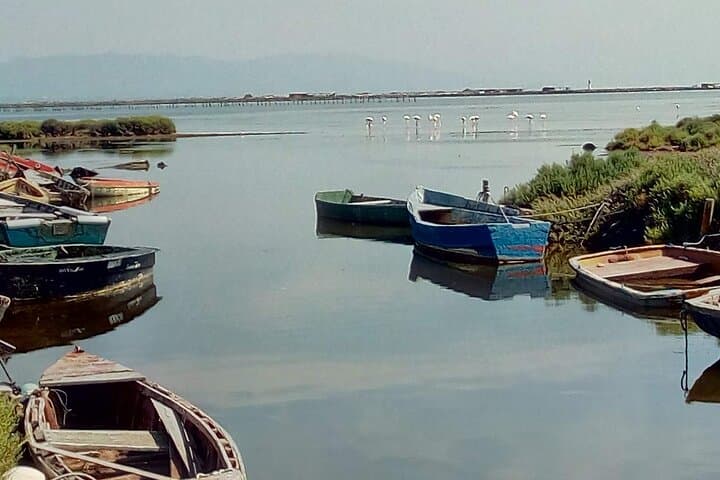
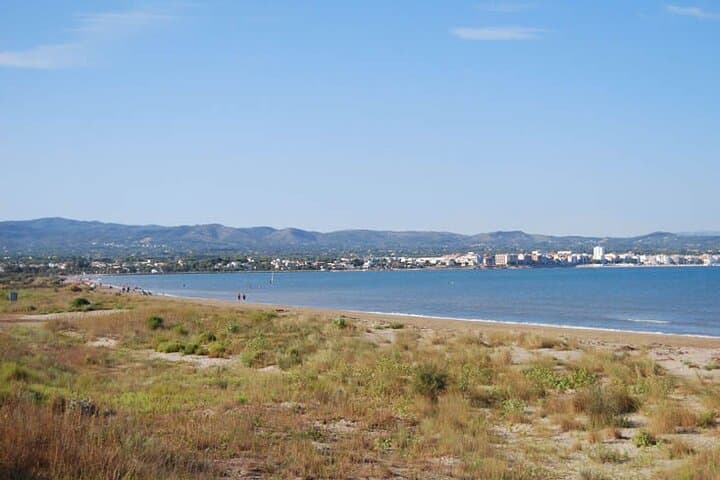
Geology here is recent: the Ebro has been building its delta with centuries of sediment, creating a patchwork of lagoons, mussel beds and rice fields. Human hands have shaped the landscape too—rice cultivation and traditional fisheries have defined local culture for generations, and small towns like Deltebre and Amposta still orient around that seasonal rhythm.
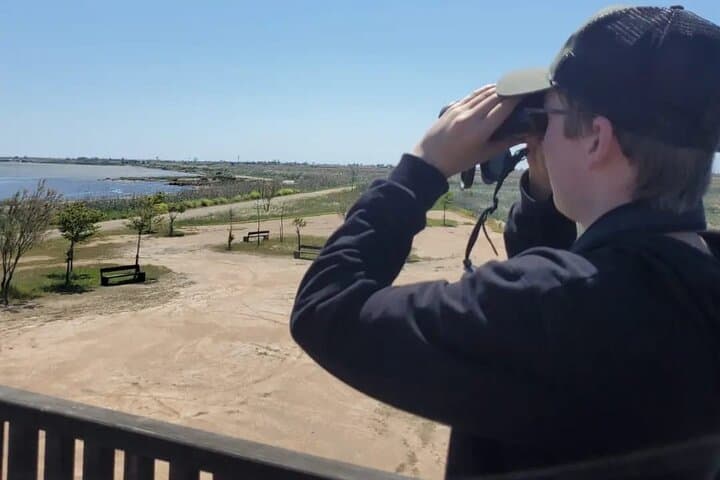
On a three-hour guided outing, visitors move by car between viewpoints and take short walks into protected zones such as Lo Goleró and La Bahía del Fangar. Expect close encounters with waders, marsh vegetation like salicornia, and explanatory stops on agricultural practices and bird migration patterns. Binoculars and field guides are often provided or recommended.
Practical note: the terrain is flat but can be muddy after rain, and winds off the bay can make temperatures feel cooler. Wear closed shoes, sun protection, and a wind layer. Morning and late-afternoon departures give the best light for birds and quieter roads. Respect signage in the natural park—many areas are seasonal nesting sites and are restricted for conservation.
easy.
3 hours.
Suitable for most fitness levels; includes short, flat walks from parked stops
Private transport is included if that option is selected at booking; otherwise the itinerary uses meeting-point logistics with short drives between sites.
Some operators supply binoculars or a spotting scope for group use, but bringing your own is recommended for consistent viewing.
Yes—the tour is listed as stroller-accessible and suitable for a range of ages; infant seats are available if needed.
Guides aim to provide good views from approved observation points; access to some nesting sites is restricted to avoid disturbance.
The delta is a young landform created by sediment deposited by the Ebro River; rice farming expanded here in the 19th and 20th centuries and shaped much of the current landscape.
Much of the North Delta is protected as a natural park—follow signage, avoid trampling marsh vegetation, and respect seasonal closures to protect nesting birds.
Viatges Némon operates guided outdoor trips and adventures with an emphasis on safety, stewardship, and memorable experiences.

The salt flats glitter under a low winter sun and a wake of white herons lifts from the rice paddies as the group climbs out of the van—this is the North Delta, where river meets sea and the land keeps changing. A local naturalist leads guests along narrow levees and roadside shoulders, pausing to point a scope at distant flocks and to explain the fine grain of silt that built this plain.
The salt flats glitter under a low winter sun and a wake of white herons lifts from the rice paddies as the group climbs out of the van—this is the North Delta, where river meets sea and the land keeps changing. A local naturalist leads guests along narrow levees and roadside shoulders, pausing to point a scope at distant flocks and to explain the fine grain of silt that built this plain.
Geology here is recent: the Ebro has been building its delta with centuries of sediment, creating a patchwork of lagoons, mussel beds and rice fields. Human hands have shaped the landscape too—rice cultivation and traditional fisheries have defined local culture for generations, and small towns like Deltebre and Amposta still orient around that seasonal rhythm.
On a three-hour guided outing, visitors move by car between viewpoints and take short walks into protected zones such as Lo Goleró and La Bahía del Fangar. Expect close encounters with waders, marsh vegetation like salicornia, and explanatory stops on agricultural practices and bird migration patterns. Binoculars and field guides are often provided or recommended.
Practical note: the terrain is flat but can be muddy after rain, and winds off the bay can make temperatures feel cooler. Wear closed shoes, sun protection, and a wind layer. Morning and late-afternoon departures give the best light for birds and quieter roads. Respect signage in the natural park—many areas are seasonal nesting sites and are restricted for conservation.