THE ADVENTURE COLLECTIVE® · Independent discovery and booking for outdoor travel

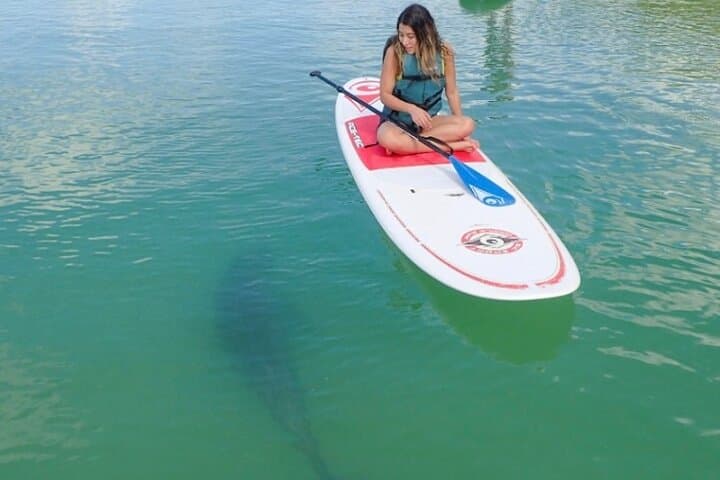
Paddle through mangrove tunnels and into open estuary to watch dolphins, shorebirds, and—seasonally—manatees. This guided kayak and SUP eco tour from Big Hickory Island combines hands-on natural history with a private beach only reachable by watercraft.
Paddle through mangrove tunnels and into open estuary to watch dolphins, shorebirds, and—seasonally—manatees. This guided kayak and SUP eco tour from Big Hickory Island combines hands-on natural history with a private beach only reachable by watercraft.
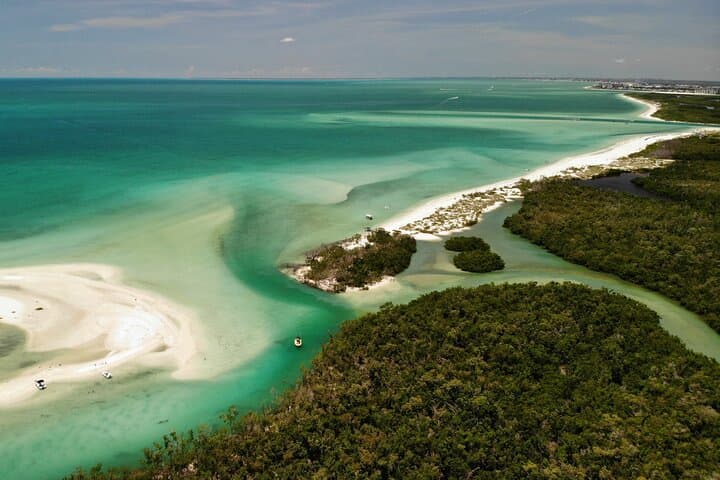
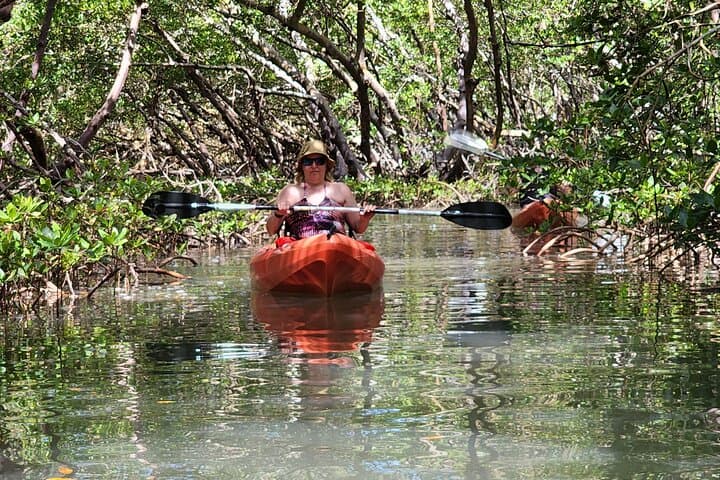
The water ahead is a shallow, moving mirror; mangrove roots thread the shoreline like the ribs of a hidden cathedral while dolphins arc beyond the sandbar, inspecting the intruder who dares to watch. Guides launch from a public put-in on Big Hickory Island and lead small groups through narrow mangrove tunnels, across open estuary, and out to a west-facing beach accessible only by watercraft.
Verified experiences and guided adventures in the surrounding area.
Operated by Adventures Kayaking · Fort Myers Beach, Florida
The water ahead is a shallow, moving mirror; mangrove roots thread the shoreline like the ribs of a hidden cathedral while dolphins arc beyond the sandbar, inspecting the intruder who dares to watch. Guides launch from a public put-in on Big Hickory Island and lead small groups through narrow mangrove tunnels, across open estuary, and out to a west-facing beach accessible only by watercraft.
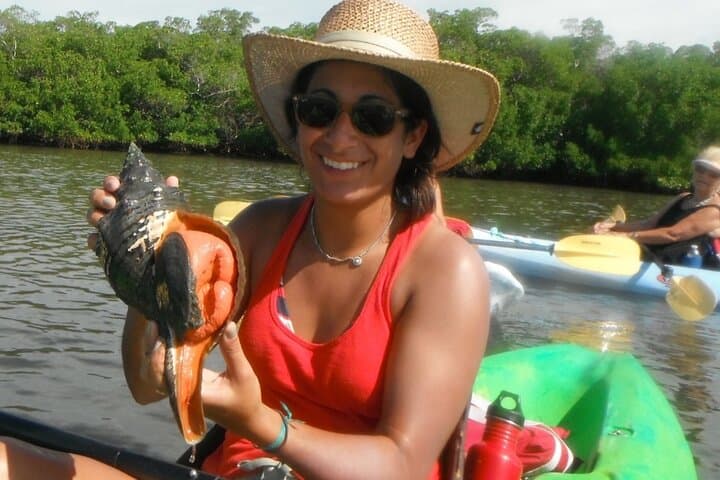
Estero Bay is the largest estuary in southwest Florida, formed where rivers slow and tides meet Gulf currents. The geology is largely carbonate flats and shell-rich beaches; the coastline was long used by the Calusa and later shaped by fishing and small-scale coastal industry. Today the area balances recreation with conservation, and interpretive guides point out shorebird roosts, oyster bars, and seagrass beds that stabilize the bay.
Practically, expect 2–3 hours on the water with frequent stops to watch wildlife and learn local ecology. Inflatable and sit-on-top kayaks and SUPs are common; basic paddling and balance are required but experienced guides handle navigation and safety. Wear reef-safe sunscreen, bring a dry bag for electronics, and plan around tides—low tide exposes flats and changes paddling lines. Morning and late afternoon tours are cooler and increase chances of calm water and active wildlife.
Groups meet at the middle-of-island launch (enter 26.366976, -81.856623 in your map), where parking and staff are visible. This trip is part field classroom, part wildlife encounter—respectful distance from dolphins and manatees keeps encounters legal and lasting.
moderate.
2–3 hours.
Participants should have a moderate level of fitness—able to paddle for sustained intervals and remount a SUP if necessary.
Yes—life jackets of various sizes are provided and must be worn when required by the guide or local law.
Yes—beginners are welcome; guides provide basic paddling instruction and pair paddlers to match skill and comfort levels.
Dolphin sightings are common year-round; manatees are more likely in warm months (roughly March–October) but sightings are not guaranteed.
Free parking is available at the Big Hickory Island public launch; the meet-up GPS is 26.366976, -81.856623 where guides display an Adventures Kayaking trailer and American flag.
The Estero Bay shoreline was used by the Calusa people and later by small fishing communities; modern protection efforts created preserves to protect seagrass and shellfish beds.
Mangroves and seagrass beds are fragile—stay in marked channels, avoid trampling seagrass, and use reef-safe sunscreen to reduce ecological impact.
Adventures Kayaking operates guided outdoor trips and adventures with an emphasis on safety, stewardship, and memorable experiences.
The water ahead is a shallow, moving mirror; mangrove roots thread the shoreline like the ribs of a hidden cathedral while dolphins arc beyond the sandbar, inspecting the intruder who dares to watch. Guides launch from a public put-in on Big Hickory Island and lead small groups through narrow mangrove tunnels, across open estuary, and out to a west-facing beach accessible only by watercraft.
The water ahead is a shallow, moving mirror; mangrove roots thread the shoreline like the ribs of a hidden cathedral while dolphins arc beyond the sandbar, inspecting the intruder who dares to watch. Guides launch from a public put-in on Big Hickory Island and lead small groups through narrow mangrove tunnels, across open estuary, and out to a west-facing beach accessible only by watercraft.
Estero Bay is the largest estuary in southwest Florida, formed where rivers slow and tides meet Gulf currents. The geology is largely carbonate flats and shell-rich beaches; the coastline was long used by the Calusa and later shaped by fishing and small-scale coastal industry. Today the area balances recreation with conservation, and interpretive guides point out shorebird roosts, oyster bars, and seagrass beds that stabilize the bay.
Practically, expect 2–3 hours on the water with frequent stops to watch wildlife and learn local ecology. Inflatable and sit-on-top kayaks and SUPs are common; basic paddling and balance are required but experienced guides handle navigation and safety. Wear reef-safe sunscreen, bring a dry bag for electronics, and plan around tides—low tide exposes flats and changes paddling lines. Morning and late afternoon tours are cooler and increase chances of calm water and active wildlife.
Groups meet at the middle-of-island launch (enter 26.366976, -81.856623 in your map), where parking and staff are visible. This trip is part field classroom, part wildlife encounter—respectful distance from dolphins and manatees keeps encounters legal and lasting.