THE ADVENTURE COLLECTIVE® · Independent discovery and booking for outdoor travel

Take a full-day guided trip from Lima to Caral, the oldest urban center in the Americas. Explore UNESCO-listed pyramids on a flat but uneven site, then enjoy seafood and coastal views at Barranca before returning to the city.
Take a full-day guided trip from Lima to Caral, the oldest urban center in the Americas. Explore UNESCO-listed pyramids on a flat but uneven site, then enjoy seafood and coastal views at Barranca before returning to the city.
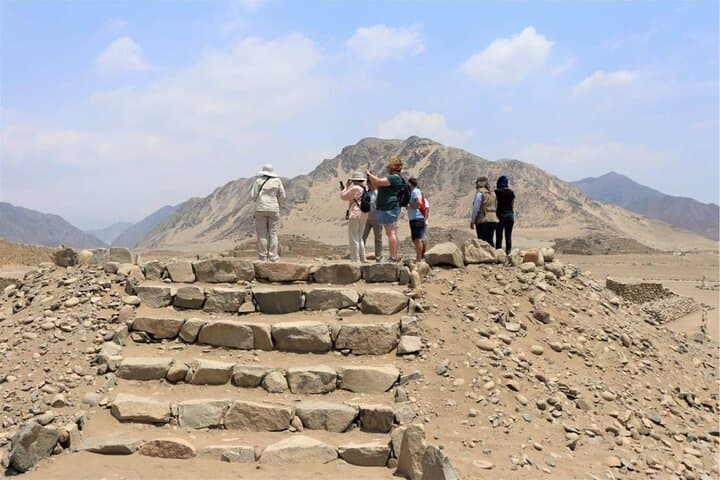
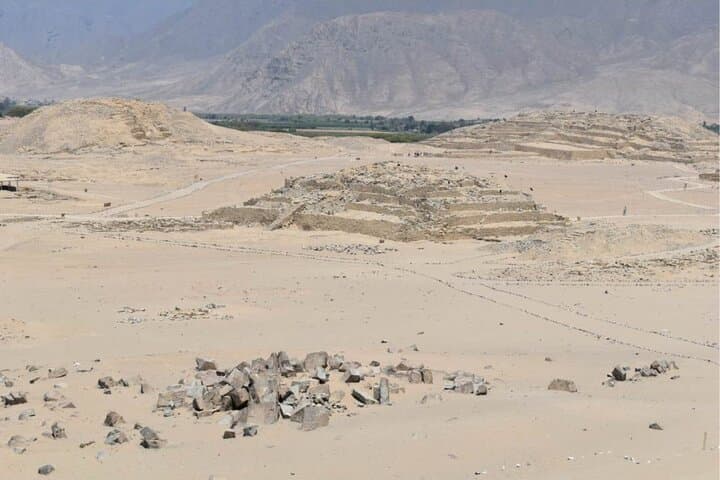
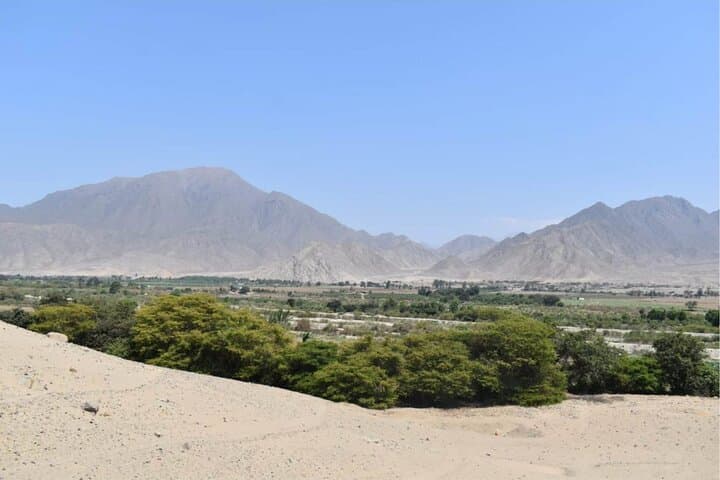
Dawn breaks over the coastal highway and the van hums south from Lima, the city shrinking as irrigated fields and low Andes foothills widen into the Supe Valley. By mid-morning the ruins of Caral appear on the horizon: broad, stepped mounds rising from a pale plain where wind and history have carved clear lines into the earth.
Verified experiences and guided adventures in the surrounding area.
Operated by Trek The Colca · Supe, Lima
Dawn breaks over the coastal highway and the van hums south from Lima, the city shrinking as irrigated fields and low Andes foothills widen into the Supe Valley. By mid-morning the ruins of Caral appear on the horizon: broad, stepped mounds rising from a pale plain where wind and history have carved clear lines into the earth.
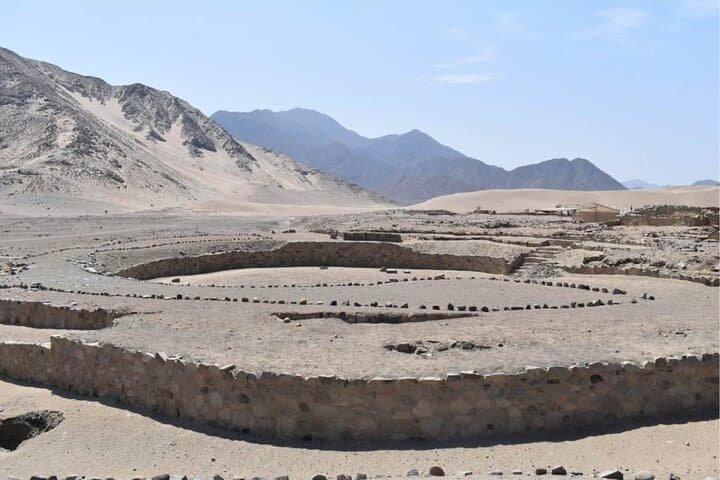
Caral is one of the earliest urban centers in the Americas, with public architecture and plazas dating back to roughly 2600 BCE. Geologically the site sits on alluvial terraces above the Supe River, where ancient engineers built platforms and irrigation systems that shaped early Andean civilization. Today the site’s plazas, pyramidal platforms and reed-lined residential sectors give a direct, tactile sense of communal life millennia ago.
Culturally the region blends pre-Columbian heritage with contemporary fishing-town rhythms—Barranca’s seafood restaurants and the Cristo Redentor overlook provide a modern counterpoint to the monuments you’ll visit.
Practical guidance: expect a long day—roughly 10–12 hours including drive time. The terrain at Caral is flat but uneven; wear sturdy shoes and sun protection, carry 1–2 liters of water, and bring small bills for lunch or the visitor center. Photography is allowed but respect restricted zones and follow the guide’s instructions; fragile archaeological surfaces are protected and can be damaged by off-trail walking.
Plan pickups early, pace yourself during the site walk, and save time after the ruins for a seafood lunch and a short stroll along Barranca’s shoreline before the return trip to Lima.
easy.
10–12 hours.
Suitable for most fitness levels; requires ability to walk on uneven flat surfaces for 1–2 hours
Yes — the tour includes the ticket to the Caral Archaeological Site as part of the package.
Expect roughly 2.5–3 hours each way depending on traffic, making this a full-day excursion.
Lunch is not included; the itinerary stops in Barranca where you can choose from seafood restaurants at your own expense.
Caral has uneven ground and some steps; the operator notes it is not suitable for people with significant mobility impairments.
Caral is one of the oldest known urban centers in the Americas, with monumental construction dating to around 2600 BCE; it was declared a UNESCO World Heritage Site for its archaeological significance.
Visitor impacts are managed by marked paths and limited access areas—stay on trails, don’t touch exposed architecture, and support local guides who follow conservation protocols.
Trek The Colca operates guided outdoor trips and adventures with an emphasis on safety, stewardship, and memorable experiences.
Dawn breaks over the coastal highway and the van hums south from Lima, the city shrinking as irrigated fields and low Andes foothills widen into the Supe Valley. By mid-morning the ruins of Caral appear on the horizon: broad, stepped mounds rising from a pale plain where wind and history have carved clear lines into the earth.
Dawn breaks over the coastal highway and the van hums south from Lima, the city shrinking as irrigated fields and low Andes foothills widen into the Supe Valley. By mid-morning the ruins of Caral appear on the horizon: broad, stepped mounds rising from a pale plain where wind and history have carved clear lines into the earth.
Caral is one of the earliest urban centers in the Americas, with public architecture and plazas dating back to roughly 2600 BCE. Geologically the site sits on alluvial terraces above the Supe River, where ancient engineers built platforms and irrigation systems that shaped early Andean civilization. Today the site’s plazas, pyramidal platforms and reed-lined residential sectors give a direct, tactile sense of communal life millennia ago.
Culturally the region blends pre-Columbian heritage with contemporary fishing-town rhythms—Barranca’s seafood restaurants and the Cristo Redentor overlook provide a modern counterpoint to the monuments you’ll visit.
Practical guidance: expect a long day—roughly 10–12 hours including drive time. The terrain at Caral is flat but uneven; wear sturdy shoes and sun protection, carry 1–2 liters of water, and bring small bills for lunch or the visitor center. Photography is allowed but respect restricted zones and follow the guide’s instructions; fragile archaeological surfaces are protected and can be damaged by off-trail walking.
Plan pickups early, pace yourself during the site walk, and save time after the ruins for a seafood lunch and a short stroll along Barranca’s shoreline before the return trip to Lima.