THE ADVENTURE COLLECTIVE® · Independent discovery and booking for outdoor travel

Walk up to the rim of Mount Vesuvius on a private guided hike from Naples. This four-hour excursion combines volcanic geology, sweeping coastal views and practical guidance for a safe crater visit.
Walk up to the rim of Mount Vesuvius on a private guided hike from Naples. This four-hour excursion combines volcanic geology, sweeping coastal views and practical guidance for a safe crater visit.
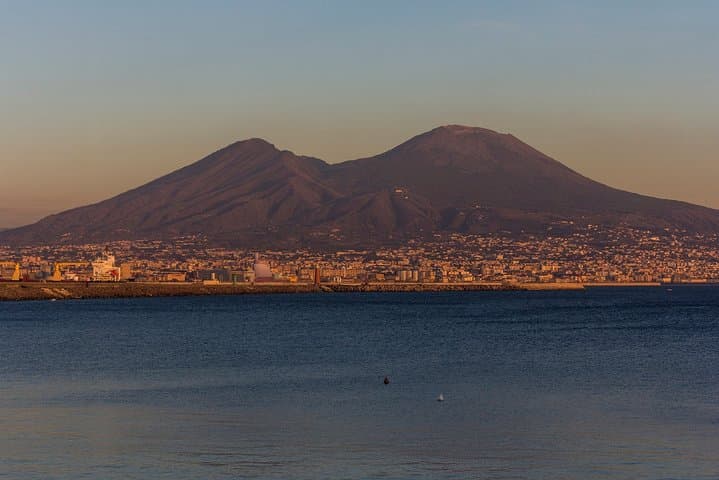
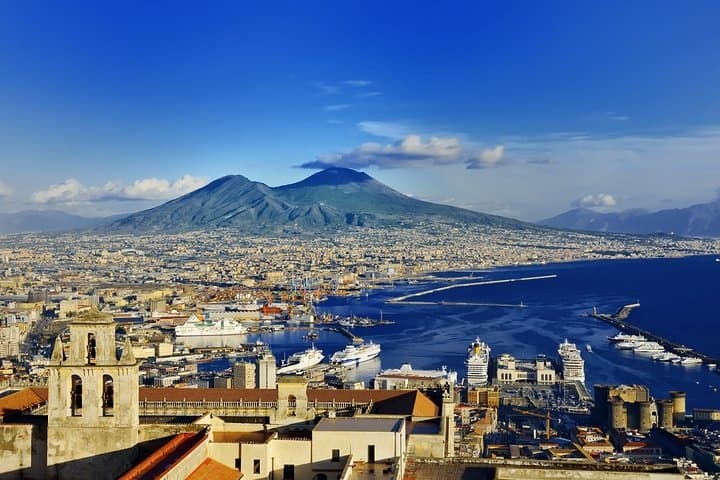
You roll away from the city, the Bay of Naples unfolding below, and the summit of Vesuvius grows larger—black rock punctuating green slopes. A private vehicle drops you near the visitor parking; from there a roughly 1 km footpath angles up toward the crater rim. The path is volcanic sand, sharp pumice, and scoria that crunch underfoot as the cone watches you approach.
Verified experiences and guided adventures in the surrounding area.
Operated by Uopera tours · Naples, Campania
You roll away from the city, the Bay of Naples unfolding below, and the summit of Vesuvius grows larger—black rock punctuating green slopes. A private vehicle drops you near the visitor parking; from there a roughly 1 km footpath angles up toward the crater rim. The path is volcanic sand, sharp pumice, and scoria that crunch underfoot as the cone watches you approach.
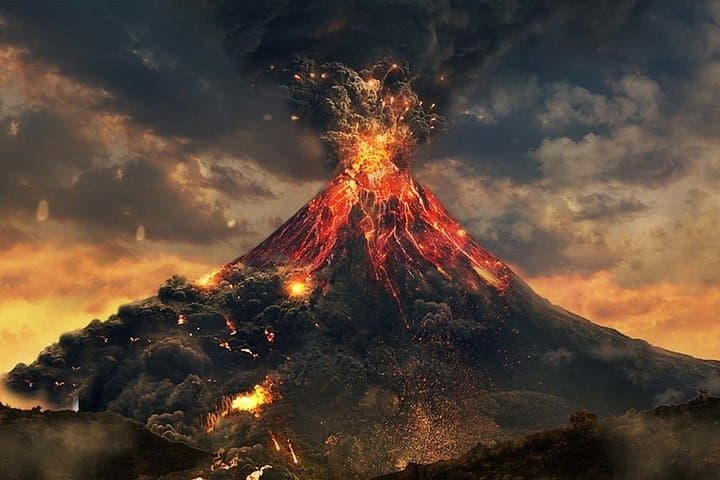
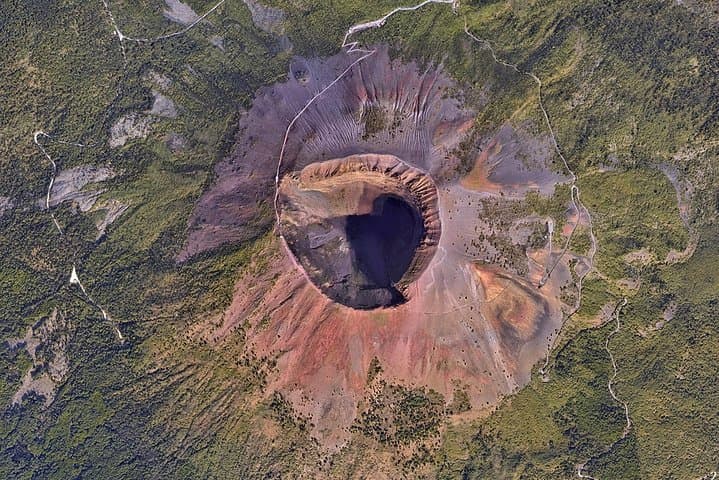
Vesuvius is a somma-stratovolcano best known for the AD 79 eruptions that entombed Pompeii and Herculaneum. Geologically it’s active within the Campanian volcanic arc; the crater you reach is the most visited volcanic rim in the world and offers direct views into a collapsed history of lava, ash, and seismic reshaping. Local culture still orients around the mountain—vineyards on lower slopes, hamlets that read the weather from the volcano’s moods.
Expect sweeping views of Naples, the Sorrentine coast, and the islands of Capri and Ischia on clear days. Guides point out volcanic features—fumarolic vents, layered tephra—and translate the science into readable landscape.
Practical: the guided portion is moderate—plan for 3–4 hours total including transfers. The walk to the rim is steep and uneven with about 200–300 m of ascent depending on starting point; bring sturdy shoes, sun protection and at least 1–2 liters of water. Weather changes quickly at elevation; wind and poor visibility can shorten viewing windows. Entrance fees and licensed guide are usually included and transport from central Naples or the cruise port is standard on private tours. Stay behind railings at the crater edge and follow your guide’s safety briefings.
moderate.
3–4 hours.
Moderate fitness; able to walk a steep 1 km uphill path with uneven volcanic scree and climb ~200–300 m elevation.
The visitor path from the parking area is steep and uneven, about 1 km one-way with roughly 200–300 m of ascent depending on the pickup point—moderate effort is required.
Most private guided tours include round-trip transportation from Naples or cruise ports and the official park entrance fee; confirm at booking.
Children in good health who can manage uneven terrain can usually participate; the path is not suitable for most mobility-impaired guests—ask the operator about alternative viewpoints by vehicle.
Follow your licensed guide’s instructions, stay behind barriers, and avoid leaning over the crater; guides monitor wind and gas conditions and will restrict access if necessary.
Vesuvius’s AD 79 eruption buried nearby Roman towns and preserved them under ash; the volcano remains a central figure in Campania’s history and identity.
The site is a protected national park with regulated paths; stay on trails to prevent erosion and respect seasonal closures aimed at limiting visitor impact.
Uopera tours operates guided outdoor trips and adventures with an emphasis on safety, stewardship, and memorable experiences.
You roll away from the city, the Bay of Naples unfolding below, and the summit of Vesuvius grows larger—black rock punctuating green slopes. A private vehicle drops you near the visitor parking; from there a roughly 1 km footpath angles up toward the crater rim. The path is volcanic sand, sharp pumice, and scoria that crunch underfoot as the cone watches you approach.
You roll away from the city, the Bay of Naples unfolding below, and the summit of Vesuvius grows larger—black rock punctuating green slopes. A private vehicle drops you near the visitor parking; from there a roughly 1 km footpath angles up toward the crater rim. The path is volcanic sand, sharp pumice, and scoria that crunch underfoot as the cone watches you approach.
Vesuvius is a somma-stratovolcano best known for the AD 79 eruptions that entombed Pompeii and Herculaneum. Geologically it’s active within the Campanian volcanic arc; the crater you reach is the most visited volcanic rim in the world and offers direct views into a collapsed history of lava, ash, and seismic reshaping. Local culture still orients around the mountain—vineyards on lower slopes, hamlets that read the weather from the volcano’s moods.
Expect sweeping views of Naples, the Sorrentine coast, and the islands of Capri and Ischia on clear days. Guides point out volcanic features—fumarolic vents, layered tephra—and translate the science into readable landscape.
Practical: the guided portion is moderate—plan for 3–4 hours total including transfers. The walk to the rim is steep and uneven with about 200–300 m of ascent depending on starting point; bring sturdy shoes, sun protection and at least 1–2 liters of water. Weather changes quickly at elevation; wind and poor visibility can shorten viewing windows. Entrance fees and licensed guide are usually included and transport from central Naples or the cruise port is standard on private tours. Stay behind railings at the crater edge and follow your guide’s safety briefings.