THE ADVENTURE COLLECTIVE® · Independent discovery and booking for outdoor travel

Follow expert local guides into Curi-Cancha’s cloud forest to track resplendent quetzals, bellbirds, and motmots. This focused half-day tour emphasizes sound-led searching, scopes, and checklist-style birding for experienced observers.
Follow expert local guides into Curi-Cancha’s cloud forest to track resplendent quetzals, bellbirds, and motmots. This focused half-day tour emphasizes sound-led searching, scopes, and checklist-style birding for experienced observers.
Dawn in Monteverde arrives as a chorus — bellbirds hammering from the canopy, motmots clicking from a shaded branch, and the distant, soft whistle of a quetzal daring you to climb higher. On this guided trip into Curi-Cancha and neighboring cloud forest edges, sound leads the way: guides triangulate songs, a spotting scope pulls distant color close, and narrow trails thread through moss-draped oaks and epiphyte gardens.
Verified experiences and guided adventures in the surrounding area.
Operated by Get Your Birds Tours · Santa Elena, Puntarenas
Dawn in Monteverde arrives as a chorus — bellbirds hammering from the canopy, motmots clicking from a shaded branch, and the distant, soft whistle of a quetzal daring you to climb higher. On this guided trip into Curi-Cancha and neighboring cloud forest edges, sound leads the way: guides triangulate songs, a spotting scope pulls distant color close, and narrow trails thread through moss-draped oaks and epiphyte gardens.
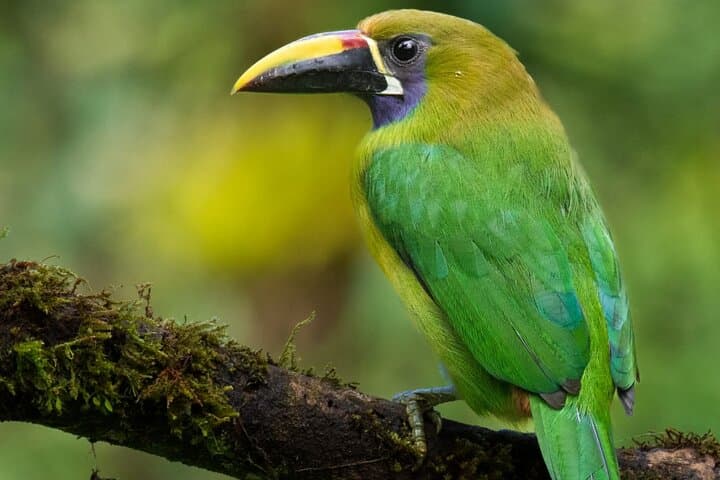
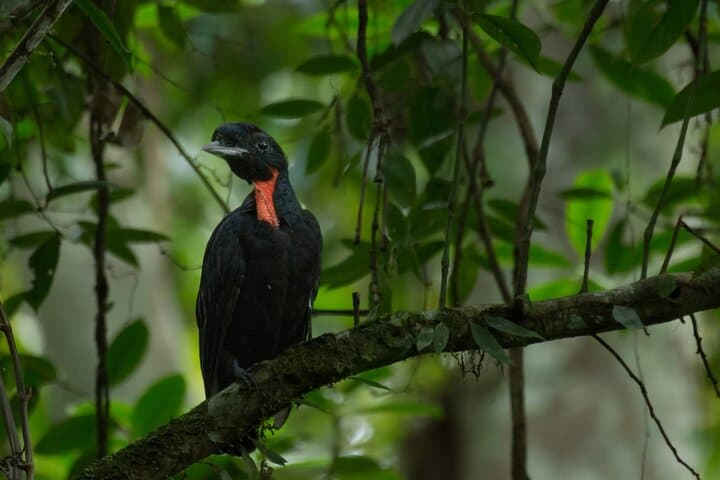
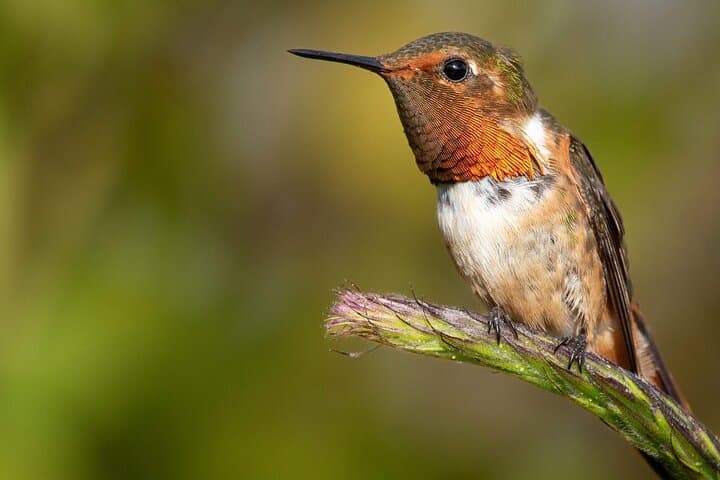
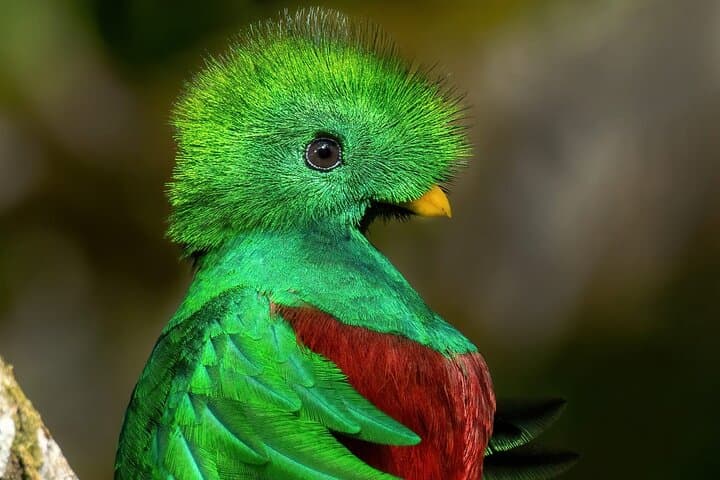
Monteverde’s cloud forests sit at roughly 1,200–1,600 m elevation where persistent cloud drip feeds a rich understory; local reserves were set aside in the 1970s as conservation and ecotourism took root. Curi-Cancha alone supports around 200 bird species, from the resplendent quetzal and three-wattled bellbird to blue-crowned motmot and orange-bellied trogon — prime targets for experienced birders following a checklist.
Expect uneven, often muddy paths and frequent microclimate shifts: sun one minute, mist and drizzle the next. The tour runs about 4–5 hours and moves deliberately, favoring listening and glassing over distance. Guides bring scopes and a laser pointer for subtle ID work; you bring steady footing, layered clothing, and patience.
Practicalities matter: mornings are busiest for activity, so start early; quiet helps sightings, as does knowing local calls. Use eBird or a field guide to log observations and follow your guide’s lead on trails and timing. Leave no trace: stick to paths, avoid playback unless the guide advises it, and keep snacks sealed to minimize disturbance. For serious birders, this is a focused, equipment-friendly outing that balances high-species chances with the cloud forest’s improvisational weather.
moderate.
4–5 hours.
Good aerobic base for walking uneven, sometimes steep trails at mid-elevation; ability to stand quietly for prolonged periods.
Small-group format limits participants (often up to four) to keep disturbance low and allow individual scope time.
The tour is geared toward experienced birders but receptive beginners with good stamina can learn a lot — communicate your experience when booking.
Highlights include resplendent quetzal, three-wattled bellbird, blue-crowned motmot, and orange-bellied trogon, with many migratory and resident passerines present.
Tours may be canceled for heavy rain; for a full refund cancel at least 24 hours before departure or follow the operator’s weather guidance.
Monteverde’s cloud forest protections expanded in the 1970s alongside the town’s growth as an ecotourism hub, with local conservation efforts central to its identity.
Stick to paths, avoid playback unless the guide permits it, and use reusable water bottles — the cloud forest is sensitive to disturbance and invasive waste.
Get Your Birds Tours operates guided outdoor trips and adventures with an emphasis on safety, stewardship, and memorable experiences.
Dawn in Monteverde arrives as a chorus — bellbirds hammering from the canopy, motmots clicking from a shaded branch, and the distant, soft whistle of a quetzal daring you to climb higher. On this guided trip into Curi-Cancha and neighboring cloud forest edges, sound leads the way: guides triangulate songs, a spotting scope pulls distant color close, and narrow trails thread through moss-draped oaks and epiphyte gardens.
Dawn in Monteverde arrives as a chorus — bellbirds hammering from the canopy, motmots clicking from a shaded branch, and the distant, soft whistle of a quetzal daring you to climb higher. On this guided trip into Curi-Cancha and neighboring cloud forest edges, sound leads the way: guides triangulate songs, a spotting scope pulls distant color close, and narrow trails thread through moss-draped oaks and epiphyte gardens.
Monteverde’s cloud forests sit at roughly 1,200–1,600 m elevation where persistent cloud drip feeds a rich understory; local reserves were set aside in the 1970s as conservation and ecotourism took root. Curi-Cancha alone supports around 200 bird species, from the resplendent quetzal and three-wattled bellbird to blue-crowned motmot and orange-bellied trogon — prime targets for experienced birders following a checklist.
Expect uneven, often muddy paths and frequent microclimate shifts: sun one minute, mist and drizzle the next. The tour runs about 4–5 hours and moves deliberately, favoring listening and glassing over distance. Guides bring scopes and a laser pointer for subtle ID work; you bring steady footing, layered clothing, and patience.
Practicalities matter: mornings are busiest for activity, so start early; quiet helps sightings, as does knowing local calls. Use eBird or a field guide to log observations and follow your guide’s lead on trails and timing. Leave no trace: stick to paths, avoid playback unless the guide advises it, and keep snacks sealed to minimize disturbance. For serious birders, this is a focused, equipment-friendly outing that balances high-species chances with the cloud forest’s improvisational weather.