THE ADVENTURE COLLECTIVE® · Independent discovery and booking for outdoor travel

Swap Marrakech’s alleys for volcanic ridgelines on a guided seven-day trek to Jebel Siroua. Expect 4–6 hour walking days, mule-supported luggage, and nights in camps or village lodgings as you cross high passes and basalt peaks.
Swap Marrakech’s alleys for volcanic ridgelines on a guided seven-day trek to Jebel Siroua. Expect 4–6 hour walking days, mule-supported luggage, and nights in camps or village lodgings as you cross high passes and basalt peaks.
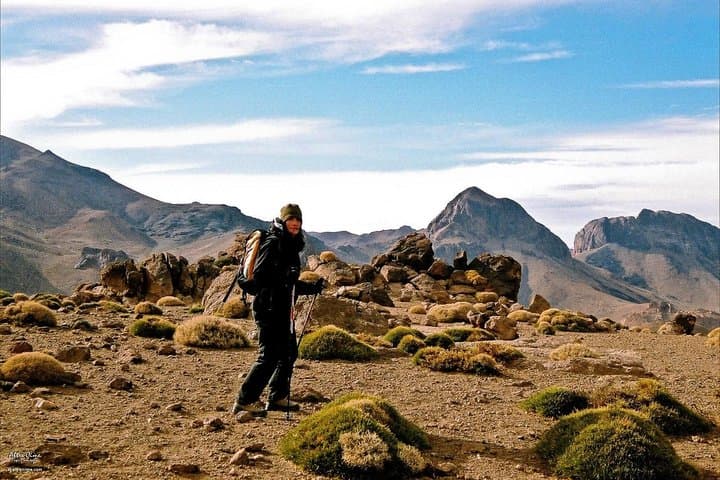
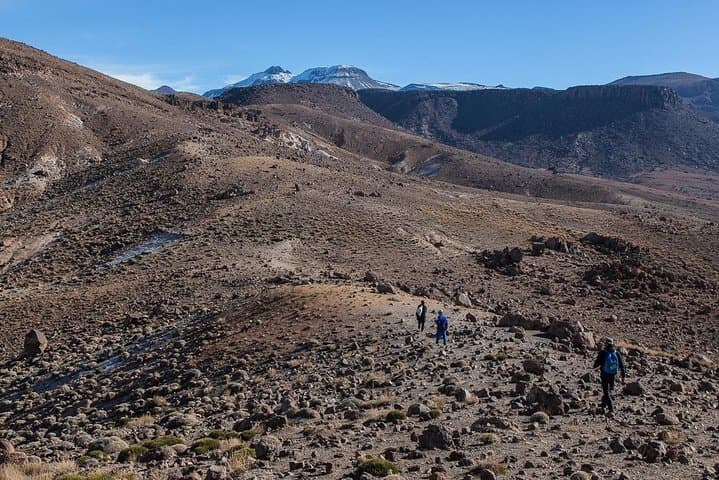
A wind-swept ridge opens above the plateau; stones click under trekking poles and a mule caravan winds the same narrow track, carrying kit and a soft steady rhythm. On a seven-day guided trek to Jebel Siroua, hikers move from Marrakech’s ochre outskirts into high pastures and volcanic peaks, trading medina bustle for a landscape that tests pace and rewards views.
Verified experiences and guided adventures in the surrounding area.
Operated by Smart Morocco Tours Excursions · Marrakech, Marrakech-Safi
A wind-swept ridge opens above the plateau; stones click under trekking poles and a mule caravan winds the same narrow track, carrying kit and a soft steady rhythm. On a seven-day guided trek to Jebel Siroua, hikers move from Marrakech’s ochre outskirts into high pastures and volcanic peaks, trading medina bustle for a landscape that tests pace and rewards views.
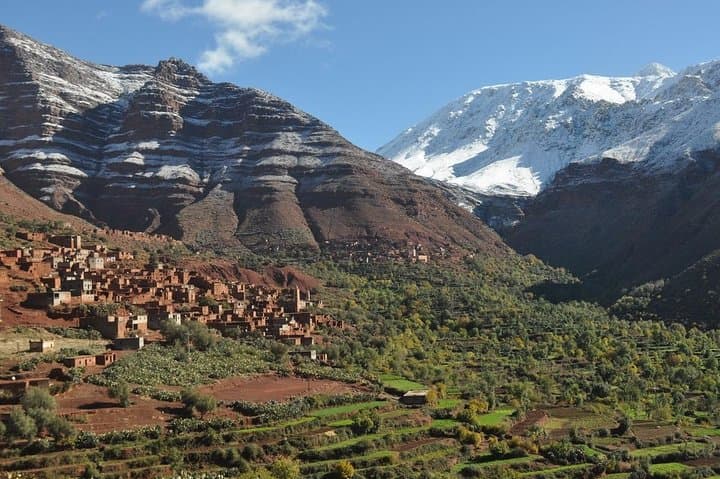
Geology here is blunt: Siroua is a volcanic massif carved by glacial and fluvial action, its rocky summits and steep ravines shaped by ancient eruptions and persistent erosion. Culturally the route threads through Amazigh (Berber) villages where stone houses and terraced fields reflect centuries of mountain life. Guides explain seasonal grazing patterns and the role of mule teams while you cross plateaus, sheepfolds, and the Tizi n'Sdremt pass at roughly 2,400 m.
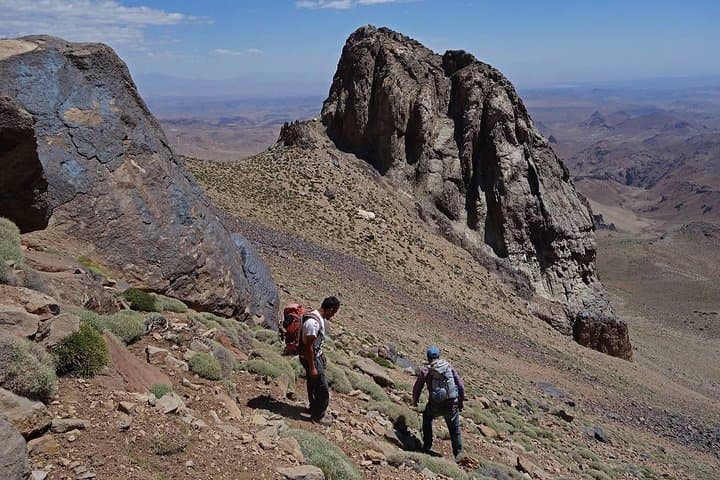
Expect daily walking of four to six hours on uneven trails, occasional steep ascents to viewpoints, and nights in simple campsites or village accommodation with meals provided. Weather shifts quickly—sun today, wind and chill after sunset—so layer management matters. Water is carried or available at village stops; always treat or filter when unsure. Footwear with good traction and ankle support will keep you moving on rocky descents. Start early to avoid the midday sun, follow your guide’s cadence on loose scree, and leave extra energy for short summit walks that open panoramic views of the Tikniouine ranges.
Practical planning: pack for high-desert conditions, confirm pickup in Marrakech, and budget for modest tips to guides and mule handlers. This is an immersive, pragmatic multi-day trek suited to hikers comfortable with long days and simple mountain camps.
moderate.
7 days.
Good aerobic fitness for consecutive days of 4–6 hours walking, comfortable with sustained ascents and uneven terrain
No technical altitude experience is required but you should be accustomed to multi-day hiking and able to complete up to six hours on uneven terrain; guides monitor pace and acclimatize gradually.
The itinerary mixes simple local guesthouses/riads at lower elevations and basic campsites during higher plateau nights; breakfasts and many meals are included.
Yes—local mule teams carry main luggage between camps; keep a small daypack with essentials and valuables with you.
Operator provides pickup and drop-off at your Marrakech accommodation; confirm pickup details and flight times when booking.
Jebel Siroua’s volcanic origins created a rugged landscape long inhabited by Amazigh communities whose agricultural terraces and pastoral routes persist today.
The massif is susceptible to overgrazing and fragile alpine soils; stick to established paths, pack out waste, and support local guides who practice sustainable grazing management.
Smart Morocco Tours Excursions operates guided outdoor trips and adventures with an emphasis on safety, stewardship, and memorable experiences.
A wind-swept ridge opens above the plateau; stones click under trekking poles and a mule caravan winds the same narrow track, carrying kit and a soft steady rhythm. On a seven-day guided trek to Jebel Siroua, hikers move from Marrakech’s ochre outskirts into high pastures and volcanic peaks, trading medina bustle for a landscape that tests pace and rewards views.
A wind-swept ridge opens above the plateau; stones click under trekking poles and a mule caravan winds the same narrow track, carrying kit and a soft steady rhythm. On a seven-day guided trek to Jebel Siroua, hikers move from Marrakech’s ochre outskirts into high pastures and volcanic peaks, trading medina bustle for a landscape that tests pace and rewards views.
Geology here is blunt: Siroua is a volcanic massif carved by glacial and fluvial action, its rocky summits and steep ravines shaped by ancient eruptions and persistent erosion. Culturally the route threads through Amazigh (Berber) villages where stone houses and terraced fields reflect centuries of mountain life. Guides explain seasonal grazing patterns and the role of mule teams while you cross plateaus, sheepfolds, and the Tizi n'Sdremt pass at roughly 2,400 m.
Expect daily walking of four to six hours on uneven trails, occasional steep ascents to viewpoints, and nights in simple campsites or village accommodation with meals provided. Weather shifts quickly—sun today, wind and chill after sunset—so layer management matters. Water is carried or available at village stops; always treat or filter when unsure. Footwear with good traction and ankle support will keep you moving on rocky descents. Start early to avoid the midday sun, follow your guide’s cadence on loose scree, and leave extra energy for short summit walks that open panoramic views of the Tikniouine ranges.
Practical planning: pack for high-desert conditions, confirm pickup in Marrakech, and budget for modest tips to guides and mule handlers. This is an immersive, pragmatic multi-day trek suited to hikers comfortable with long days and simple mountain camps.