THE ADVENTURE COLLECTIVE® · Independent discovery and booking for outdoor travel

Walk the lanes of Marrakech with a private guide who opens doors to spice stalls, artisan workshops and leather souks. This four-hour medina tour pairs history and practical shopping tips so you return with authentic finds, not just souvenirs.
Walk the lanes of Marrakech with a private guide who opens doors to spice stalls, artisan workshops and leather souks. This four-hour medina tour pairs history and practical shopping tips so you return with authentic finds, not just souvenirs.
The first step into Marrakech's medina is sensory—alleys narrow and angle like a maze that seems to know where to lead you. Spices dare you forward with cinnamon and cumin, while leather vendors display goods that smell of earth and sun. A local guide threads the route, pointing toward a tiled doorway or a tin of saffron that glints like a promise.
Verified experiences and guided adventures in the surrounding area.
Operated by Smart Morocco Tours Excursions · Marrakech, Marrakesh-Safi
The first step into Marrakech's medina is sensory—alleys narrow and angle like a maze that seems to know where to lead you. Spices dare you forward with cinnamon and cumin, while leather vendors display goods that smell of earth and sun. A local guide threads the route, pointing toward a tiled doorway or a tin of saffron that glints like a promise.
These souks grew from centuries of trade across the Sahara and the Atlas foothills; Jemaa el-Fna has been the city's public stage since the 11th century and the medina itself is a living map of layered crafts. Geologically the city sits on the Haouz plain beneath the Atlas Mountains, where red clay and sunlight give buildings their ochre tone and color the textiles you'll see for sale.
Culture here is practical and performative—artisans still use techniques passed down through families, and Berber, Arabic and Andalusian influences show in patterns, words and recipes. Watch a tannery or a pottery wheel and you get more than souvenirs: you catch process and lineage.
Practical guidance: this private, 4-hour walking tour covers spice, textile, leather and artisan souks starting at Jemaa el-Fna, so expect irregular cobbles and crowds. Go early or late afternoon to avoid the midday heat, carry small bills for purchases, and let your guide introduce you to trustworthy workshops. Wear closed-toe shoes, keep valuables secure, and allow extra time for bargaining—prices are part of the rhythm. The tour is accessible to most fitness levels but involves standing and slow walking; bring water and a light daypack. By the end you'll leave with goods and stories—items picked with context, and a clearer sense of how Marrakech sells both craft and culture.
easy.
4 hours.
Suitable for most fitness levels; involves several hours of standing and slow walking on uneven cobbles.
The private tour is approximately four hours and visits Jemaa el-Fna, spice, textile and leather souks plus artisan workshops and a Berber market.
Yes—haggling is part of the market culture; start lower than your target price and keep exchanges friendly. Guides can advise on fair ranges.
Most small vendors prefer cash; some larger shops accept cards, but bring small denominations to ensure smoother purchases.
The tour is family-friendly and can accommodate strollers in many areas, though narrow alleys and cobbles may limit mobility in some sections.
The medina of Marrakech grew from a 11th-century citadel and became a major trade hub connecting trans-Saharan routes to Mediterranean markets; the souks retain guild-like neighborhoods for each craft.
Support ethical vendors and ask about materials—avoid items made from protected species, favor handcrafted goods, and bring reusable bags to reduce single-use plastics.
Smart Morocco Tours Excursions operates guided outdoor trips and adventures with an emphasis on safety, stewardship, and memorable experiences.
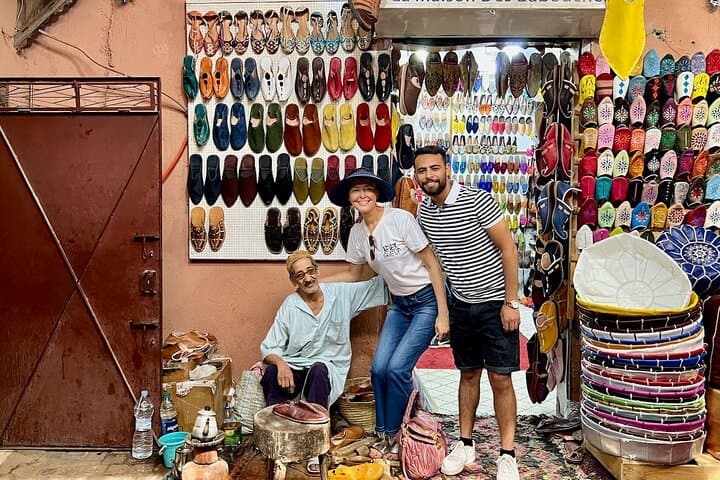
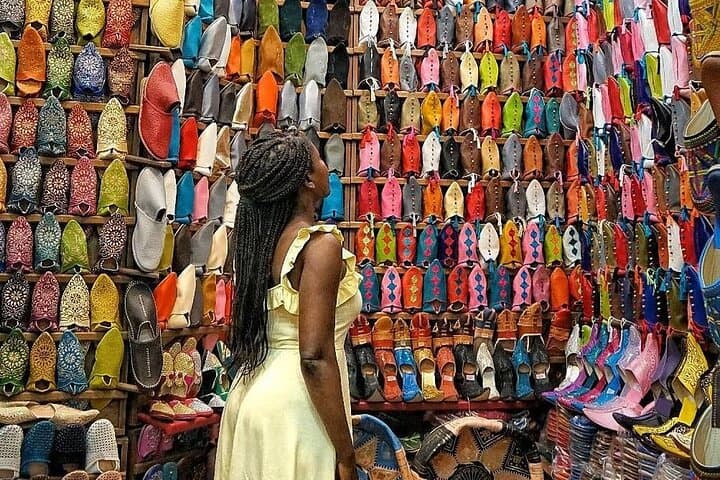
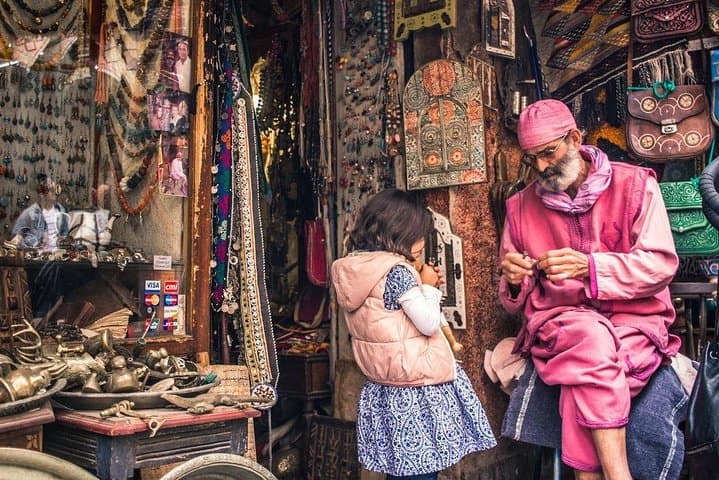
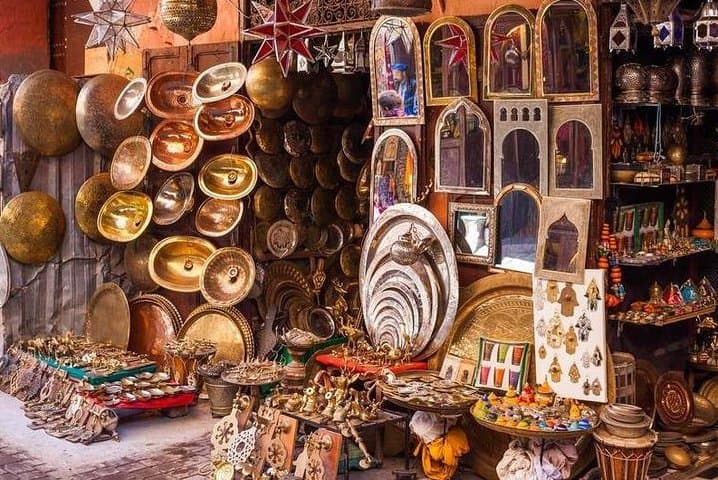
The first step into Marrakech's medina is sensory—alleys narrow and angle like a maze that seems to know where to lead you. Spices dare you forward with cinnamon and cumin, while leather vendors display goods that smell of earth and sun. A local guide threads the route, pointing toward a tiled doorway or a tin of saffron that glints like a promise.
The first step into Marrakech's medina is sensory—alleys narrow and angle like a maze that seems to know where to lead you. Spices dare you forward with cinnamon and cumin, while leather vendors display goods that smell of earth and sun. A local guide threads the route, pointing toward a tiled doorway or a tin of saffron that glints like a promise.
These souks grew from centuries of trade across the Sahara and the Atlas foothills; Jemaa el-Fna has been the city's public stage since the 11th century and the medina itself is a living map of layered crafts. Geologically the city sits on the Haouz plain beneath the Atlas Mountains, where red clay and sunlight give buildings their ochre tone and color the textiles you'll see for sale.
Culture here is practical and performative—artisans still use techniques passed down through families, and Berber, Arabic and Andalusian influences show in patterns, words and recipes. Watch a tannery or a pottery wheel and you get more than souvenirs: you catch process and lineage.
Practical guidance: this private, 4-hour walking tour covers spice, textile, leather and artisan souks starting at Jemaa el-Fna, so expect irregular cobbles and crowds. Go early or late afternoon to avoid the midday heat, carry small bills for purchases, and let your guide introduce you to trustworthy workshops. Wear closed-toe shoes, keep valuables secure, and allow extra time for bargaining—prices are part of the rhythm. The tour is accessible to most fitness levels but involves standing and slow walking; bring water and a light daypack. By the end you'll leave with goods and stories—items picked with context, and a clearer sense of how Marrakech sells both craft and culture.