THE ADVENTURE COLLECTIVE® · Independent discovery and booking for outdoor travel

Travel by private vehicle from San Salvador into Morazán for a two-day, guided exploration of Perquín, El Mozote and the Río Toad. This tour blends on-the-ground history with riverside walks and panoramic mountain views.
Travel by private vehicle from San Salvador into Morazán for a two-day, guided exploration of Perquín, El Mozote and the Río Toad. This tour blends on-the-ground history with riverside walks and panoramic mountain views.
A dusted minivan winds out of San Salvador before dawn, the city shrinking into patchwork farmland and green, steep hills. By midmorning you arrive in Perquín: corrugated roofs, a small plaza, and the Museum of the Revolution where voice-recorded testimonies and rusted artifacts make history tangible.
Verified experiences and guided adventures in the surrounding area.
Operated by La Ruta Travels · Perquín, Morazán
A dusted minivan winds out of San Salvador before dawn, the city shrinking into patchwork farmland and green, steep hills. By midmorning you arrive in Perquín: corrugated roofs, a small plaza, and the Museum of the Revolution where voice-recorded testimonies and rusted artifacts make history tangible.
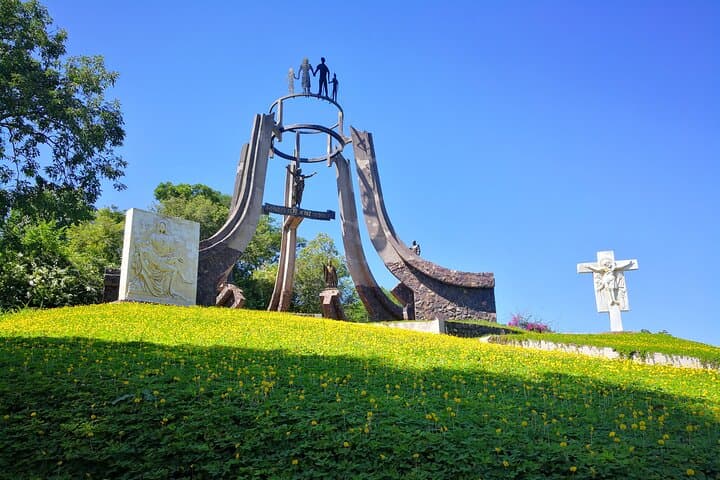
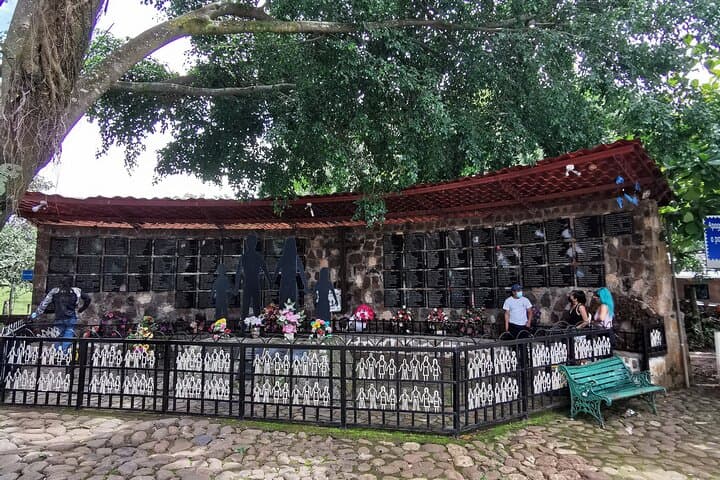
This two-day route threads through the eastern Morazán highlands — volcanic soils, terraced fields and rivers cut into red clay. The itinerary balances landscape with memory: visits to El Mozote’s memorials and the lived-in towns shaped by the 1980s civil war give context to a rugged human story. Cultural exchange is central; local guides and small restaurants offer perspectives that read history as ongoing, not distant.
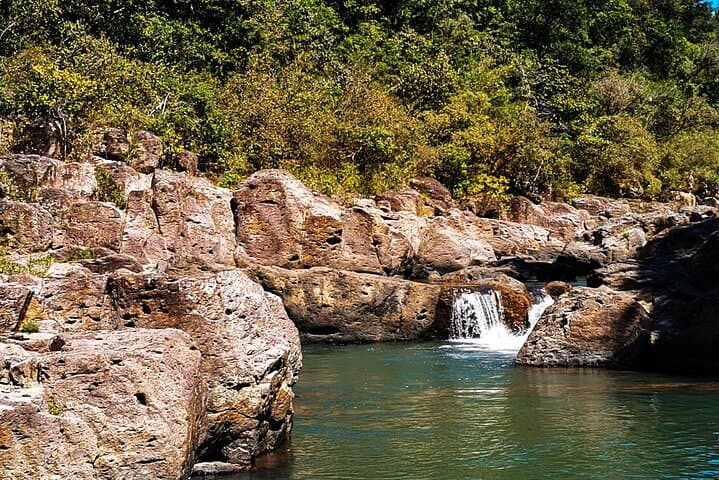
Beyond history, the trip leans into nature. The Río Toad (a clear, shallow river) slices through canyon-like banks, inviting a cooling swim and short, easy walks along limestone-edged pools. Panoramic stops between Jocoaitique and Arambala open to broad mountain lines and coffee plots clinging to slopes.
Practically: expect unpaved roads and basic accommodations—bring layered clothing, sturdy shoes that can handle mud and river stones, and cash for remote villages. Photography is welcome, but approach memorials and survivors with quiet respect. Guides handle logistics, transport and entries, so you can focus on listening, walking and the slow work of understanding a landscape where nature and history continue to shape one another.
easy.
2 days (active windows of 6–8 hours per day).
Suitable for travelers in average fitness—mostly easy walks and short river soaks; minimal steep hiking.
Yes; tours are private with guides familiar with the route and communities, but standard travel caution and following guide instructions are recommended.
The tour includes some entries and transport; lunch and dinner are described in the itinerary but check booking details—bring cash for off-menu purchases or snacks.
Always ask permission before photographing individuals; treat memorial sites with quiet respect and follow local guidance on recording testimony.
The operator notes the tour is physically easy and accessible for many ages, but consider road time and basic accommodations when booking for very young children or those with limited mobility.
Morazán was a focal point during El Salvador’s civil war in the 1980s; sites like Perquín were centers of guerrilla activity and now host museums and memorials preserving local memory.
The area faces erosion from deforestation and agriculture; follow local guidelines to avoid disturbing riverbanks and support community-run businesses to help sustain conservation efforts.
La Ruta Travels operates guided outdoor trips and adventures with an emphasis on safety, stewardship, and memorable experiences.
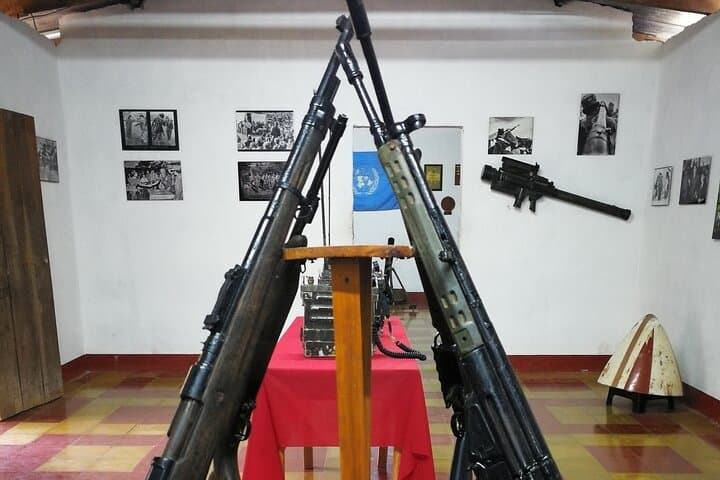
A dusted minivan winds out of San Salvador before dawn, the city shrinking into patchwork farmland and green, steep hills. By midmorning you arrive in Perquín: corrugated roofs, a small plaza, and the Museum of the Revolution where voice-recorded testimonies and rusted artifacts make history tangible.
A dusted minivan winds out of San Salvador before dawn, the city shrinking into patchwork farmland and green, steep hills. By midmorning you arrive in Perquín: corrugated roofs, a small plaza, and the Museum of the Revolution where voice-recorded testimonies and rusted artifacts make history tangible.
This two-day route threads through the eastern Morazán highlands — volcanic soils, terraced fields and rivers cut into red clay. The itinerary balances landscape with memory: visits to El Mozote’s memorials and the lived-in towns shaped by the 1980s civil war give context to a rugged human story. Cultural exchange is central; local guides and small restaurants offer perspectives that read history as ongoing, not distant.
Beyond history, the trip leans into nature. The Río Toad (a clear, shallow river) slices through canyon-like banks, inviting a cooling swim and short, easy walks along limestone-edged pools. Panoramic stops between Jocoaitique and Arambala open to broad mountain lines and coffee plots clinging to slopes.
Practically: expect unpaved roads and basic accommodations—bring layered clothing, sturdy shoes that can handle mud and river stones, and cash for remote villages. Photography is welcome, but approach memorials and survivors with quiet respect. Guides handle logistics, transport and entries, so you can focus on listening, walking and the slow work of understanding a landscape where nature and history continue to shape one another.