THE ADVENTURE COLLECTIVE® · Independent discovery and booking for outdoor travel

Traverse from the ruined spurs of Gubeikou to the restored towers of Jinshanling on an 8–10 hour guided hike. Expect rugged stonework, sweeping ridgelines, and practical logistics handled by your operator.
Traverse from the ruined spurs of Gubeikou to the restored towers of Jinshanling on an 8–10 hour guided hike. Expect rugged stonework, sweeping ridgelines, and practical logistics handled by your operator.
Morning light strips the ridge as you step onto stones that have felt thousands of footsteps before yours. The wall alternates between wild, collapsed stretches at Gubeikou and the restored towers at Jinshanling; each section has its own voice — wind that dares you to keep climbing, pines that whisper behind broken crenellations.
Verified experiences and guided adventures in the surrounding area.
Operated by Sarana Davis · Luanping, Hebei
Morning light strips the ridge as you step onto stones that have felt thousands of footsteps before yours. The wall alternates between wild, collapsed stretches at Gubeikou and the restored towers at Jinshanling; each section has its own voice — wind that dares you to keep climbing, pines that whisper behind broken crenellations.
This route threads Ming-dynasty masonry and troops’ inscriptions with granite ridgelines carved by millennia of erosion. Gubeikou’s ruined segments show the wall’s original military logic: steep approaches, hidden gates, and jagged tower ruins. Jinshanling preserves towers and battlements where you can read crude characters etched by soldiers centuries ago; the contrast between rough and repaired sections tells the story of construction, conflict, and later conservation.
Locally, villagers in Luanping County still herd goats below the wall and run small tea stalls for hikers. Geologically the line follows metamorphic and sedimentary beds folded into the Yan Mountains, giving the walk steep pitches and uneven steps.
Practical guidance: expect 8–10 hours on mixed stone, packed earth, and loose rubble with sustained elevation change. Start early to avoid midday sun, carry at least 2 liters of water, and wear sturdy boots with solid ankle support. A guided tour simplifies logistics—admission, private transport, and a boxed lunch are often included—yet the route still demands steady legs and attention on exposed sections.
Photographers should bring a zoom for tower details and a wide lens for the wall’s long lines. Respect fragile sections, follow your guide’s path, and leave no trace—the wall is history under your soles, not a playground.
challenging.
8–10 hours.
Good aerobic fitness and strong legs for sustained climbing; comfortable with uneven terrain and many steps.
Options vary, but guided traverses typically run 8–10 hours including transport, walking, and stops for photos and lunch.
Beginners with good fitness may complete it, but the terrain and duration make it better suited to hikers with prior day-hiking experience.
Many tour operators include admission fees and private transport; confirm on booking to avoid surprises.
Some sections are accessible individually, but wild stretches at Gubeikou can be confusing and less safe—guided tours simplify logistics and safety.
The Jinshanling and Gubeikou sections date to the Ming dynasty (14th–17th centuries); inscriptions and repair patches reveal generations of military maintenance and local labor.
Restoration is ongoing—respect barriers and avoid climbing on fragile sections; local conservation efforts balance tourist access with preservation of original materials.
Sarana Davis operates guided outdoor trips and adventures with an emphasis on safety, stewardship, and memorable experiences.
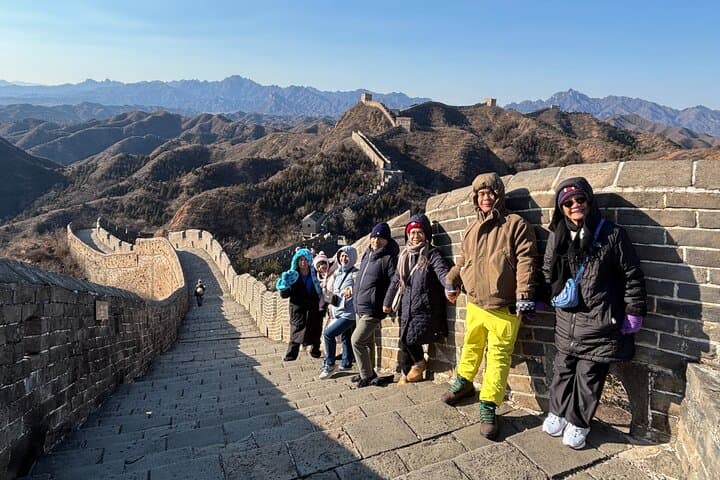
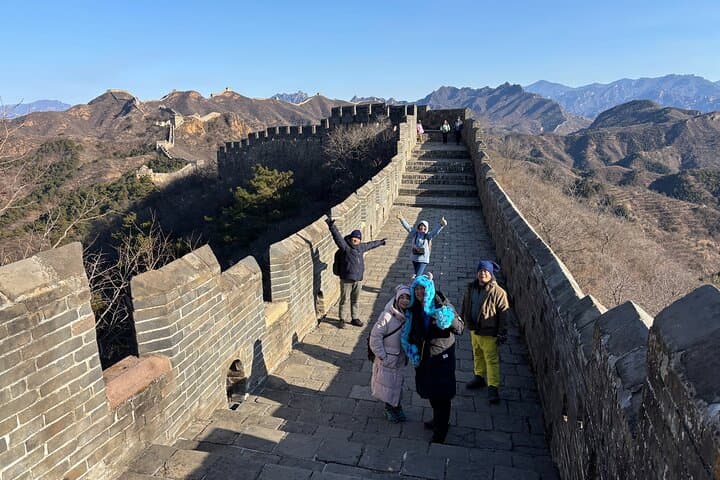
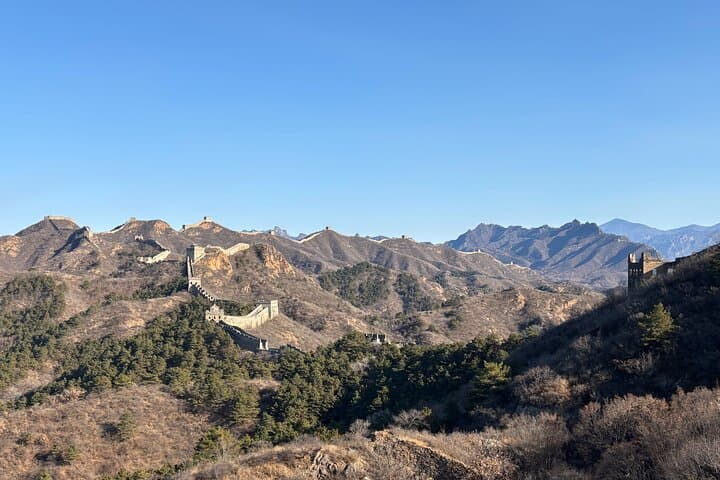
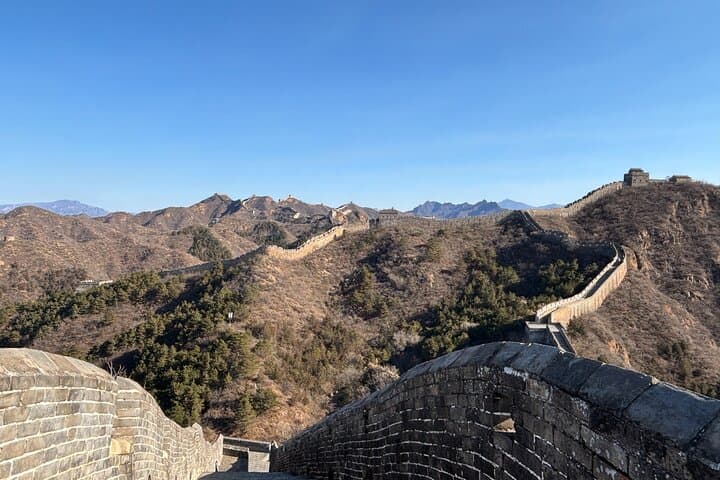
Morning light strips the ridge as you step onto stones that have felt thousands of footsteps before yours. The wall alternates between wild, collapsed stretches at Gubeikou and the restored towers at Jinshanling; each section has its own voice — wind that dares you to keep climbing, pines that whisper behind broken crenellations.
Morning light strips the ridge as you step onto stones that have felt thousands of footsteps before yours. The wall alternates between wild, collapsed stretches at Gubeikou and the restored towers at Jinshanling; each section has its own voice — wind that dares you to keep climbing, pines that whisper behind broken crenellations.
This route threads Ming-dynasty masonry and troops’ inscriptions with granite ridgelines carved by millennia of erosion. Gubeikou’s ruined segments show the wall’s original military logic: steep approaches, hidden gates, and jagged tower ruins. Jinshanling preserves towers and battlements where you can read crude characters etched by soldiers centuries ago; the contrast between rough and repaired sections tells the story of construction, conflict, and later conservation.
Locally, villagers in Luanping County still herd goats below the wall and run small tea stalls for hikers. Geologically the line follows metamorphic and sedimentary beds folded into the Yan Mountains, giving the walk steep pitches and uneven steps.
Practical guidance: expect 8–10 hours on mixed stone, packed earth, and loose rubble with sustained elevation change. Start early to avoid midday sun, carry at least 2 liters of water, and wear sturdy boots with solid ankle support. A guided tour simplifies logistics—admission, private transport, and a boxed lunch are often included—yet the route still demands steady legs and attention on exposed sections.
Photographers should bring a zoom for tower details and a wide lens for the wall’s long lines. Respect fragile sections, follow your guide’s path, and leave no trace—the wall is history under your soles, not a playground.