THE ADVENTURE COLLECTIVE® · Independent discovery and booking for outdoor travel

Skip the crowded restored sections and follow a rugged ridge line from Gubeikou to Jinshanling. This full-day hike traverses ruined and restored wall, steep ascents, and sweeping mountain views—ideal for experienced hikers seeking a less-touristed Great Wall experience.
Skip the crowded restored sections and follow a rugged ridge line from Gubeikou to Jinshanling. This full-day hike traverses ruined and restored wall, steep ascents, and sweeping mountain views—ideal for experienced hikers seeking a less-touristed Great Wall experience.
You crest a ridge and the Wall appears like an unfinished sentence—broken battlements, wind-scoured brick, and a line of watchtowers stepping off into the mountains. The trail from Gubeikou to Jinshanling moves between reconstructed stretches and long, ruinous runs where the original stone tilts and the steps are irregular; the landscape here feels older and less curated than the tourist-packed sections near Beijing.
Verified experiences and guided adventures in the surrounding area.
Operated by Guangfeng Travel Service · Luanping County, Hebei
You crest a ridge and the Wall appears like an unfinished sentence—broken battlements, wind-scoured brick, and a line of watchtowers stepping off into the mountains. The trail from Gubeikou to Jinshanling moves between reconstructed stretches and long, ruinous runs where the original stone tilts and the steps are irregular; the landscape here feels older and less curated than the tourist-packed sections near Beijing.
This route traces a Ming-era defensive corridor where passes and beacon towers once controlled access to the plains. Geologically the terrain is granite and schist, carved into narrow ridgelines that force the Wall to climb, fall and clamber over steep shoulders. Locals in nearby hamlets still farm terraced slopes, and the area carries a practical, lived-in culture rather than spectacle.
Expect 10–13 km of hiking across mixed surfaces—loose scree, intact flagstone, and crumbling steps—with frequent steep sections and exposed ridgewalking. The itinerary typically runs as a full-day loop from Beijing (about 2.5 hours each way), with 6–8 hours on the Wall itself.
Bring sturdy boots, layered clothing, and 2–3 liters of water; trekking poles make the descents easier. Start early to avoid afternoon heat and to give yourself time for slow, careful footing on ruined stretches. This walk suits experienced hikers who can handle sustained climbs and irregular terrain; if you have back or heart issues, opt for a shorter, restored section instead.
The reward is straightforward: expansive mountain views, dozens of towers to explore, and long stretches of Wall that still feel wild underfoot.
challenging.
7–8 hours (hike only); full day including transport.
Good cardiovascular fitness and leg strength required; comfortable with sustained ascents/descents and uneven footing
The hiking section is typically 10–13 km and takes about 6–8 hours depending on pace and how often you stop.
No — the route includes steep, uneven, and partly ruined sections that are best for experienced hikers with good balance and stamina.
Facilities are minimal; bring snacks and water. There are basic amenities at trailheads but not along the ridge.
Expect roughly 2.5 hours (about 140 km) each way from central Beijing, depending on traffic.
Sections here date to Ming-era expansions; Gubeikou was a strategic pass and Jinshanling preserves many original guard towers and beacon systems.
Heavy foot traffic and erosion threaten ruined stretches—stay on established paths, avoid removing stones, and pack out all waste to protect the structure and habitat.
Guangfeng Travel Service operates guided outdoor trips and adventures with an emphasis on safety, stewardship, and memorable experiences.
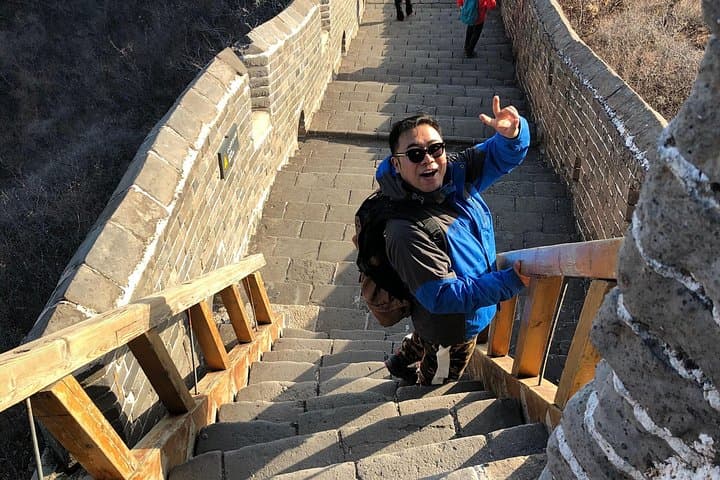
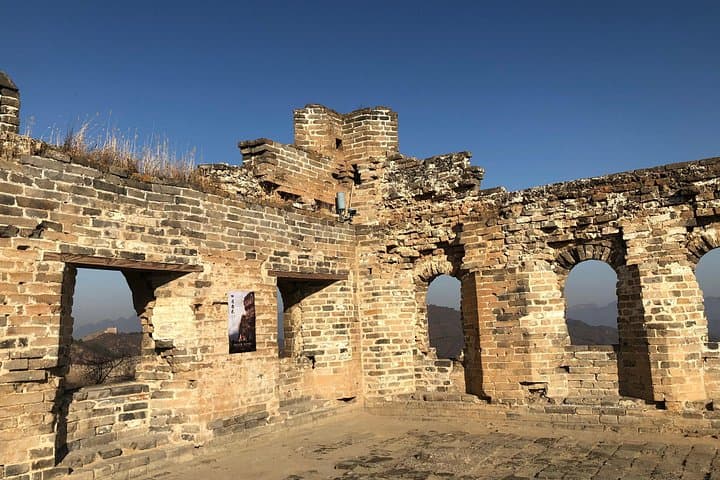
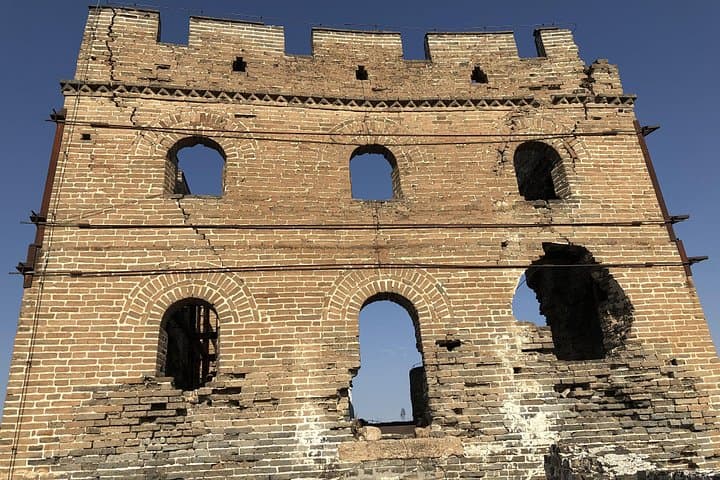
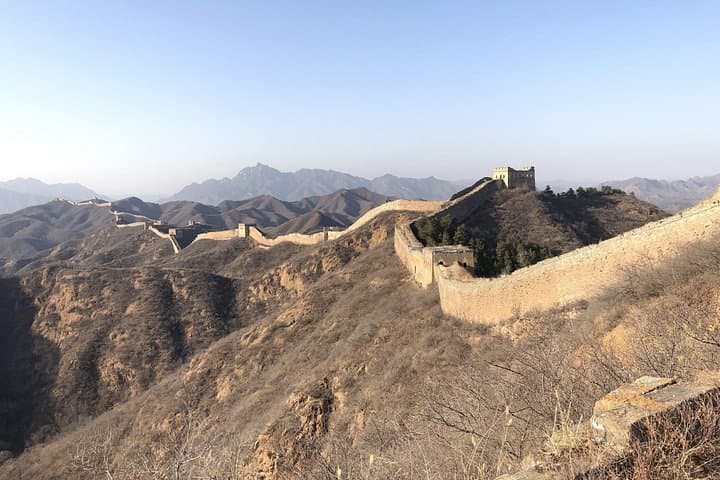
You crest a ridge and the Wall appears like an unfinished sentence—broken battlements, wind-scoured brick, and a line of watchtowers stepping off into the mountains. The trail from Gubeikou to Jinshanling moves between reconstructed stretches and long, ruinous runs where the original stone tilts and the steps are irregular; the landscape here feels older and less curated than the tourist-packed sections near Beijing.
You crest a ridge and the Wall appears like an unfinished sentence—broken battlements, wind-scoured brick, and a line of watchtowers stepping off into the mountains. The trail from Gubeikou to Jinshanling moves between reconstructed stretches and long, ruinous runs where the original stone tilts and the steps are irregular; the landscape here feels older and less curated than the tourist-packed sections near Beijing.
This route traces a Ming-era defensive corridor where passes and beacon towers once controlled access to the plains. Geologically the terrain is granite and schist, carved into narrow ridgelines that force the Wall to climb, fall and clamber over steep shoulders. Locals in nearby hamlets still farm terraced slopes, and the area carries a practical, lived-in culture rather than spectacle.
Expect 10–13 km of hiking across mixed surfaces—loose scree, intact flagstone, and crumbling steps—with frequent steep sections and exposed ridgewalking. The itinerary typically runs as a full-day loop from Beijing (about 2.5 hours each way), with 6–8 hours on the Wall itself.
Bring sturdy boots, layered clothing, and 2–3 liters of water; trekking poles make the descents easier. Start early to avoid afternoon heat and to give yourself time for slow, careful footing on ruined stretches. This walk suits experienced hikers who can handle sustained climbs and irregular terrain; if you have back or heart issues, opt for a shorter, restored section instead.
The reward is straightforward: expansive mountain views, dozens of towers to explore, and long stretches of Wall that still feel wild underfoot.